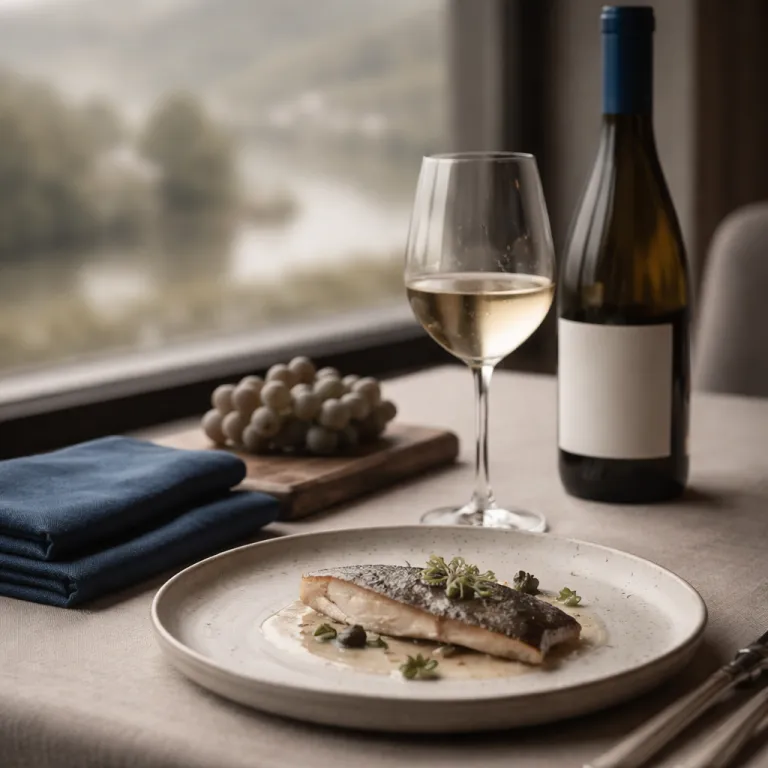
Why Mosel Valley hotel dining and wine belong together
Hotel dining in the Mosel Valley is inseparable from the steep vineyards that frame every bend of the river. In this historic Mosel region, chefs and sommeliers treat Mosel wine, local food and landscape as a single story, where the glass, the plate and the hillside outside your room form one narrative. Couples arriving from across Germany quickly sense that regional cuisine, Mosel wines and the surrounding scenery are curated with the same care as the rooms and suites.
The Mosel is Germany’s oldest wine region, and its vineyard-covered slopes shape both the wines and the cuisine served in the best hotels. Steep slate terraces around Bernkastel, Bernkastel Kues and Cochem force hand harvesting, which concentrates flavour in Riesling grapes and in the stories that hotel teams share at the table. When a dining room opens a window toward these vineyard views, the connection between German wine, seasonal food and place feels structural rather than decorative.
Luxury hotels along the Middle Mosel now treat their restaurants as serious gastronomic destinations rather than simple amenities. Many properties design rooms and suites so that a window opens directly toward the river, giving guests views of half-timbered villages and the vineyard-covered hills that produced the Mosel wines on the pairing menu. For couples planning a romantic weekend, choosing hotels in the Mosel Valley is less about star ratings and more about which restaurant, tasting room and wine tasting experiences feel most aligned with their own rhythm.
From vineyard to plate: how hotel kitchens cook with Mosel wines
In the Mosel region, serious hotel kitchens no longer limit Mosel wines to classic pairings but fold them directly into the cooking. Dry Riesling from steep parcels near Bernkastel Kues might glaze river fish, while off-dry styles from vineyards above the town Traben Trarbach are reduced into sauces for poultry or seasonal vegetables. Elbling and other German wine varieties appear in marinades, sorbets and even bread starters, turning the idea of Mosel Valley hotel dining wine into a daily creative practice.
Hotel Villa Melsheimer in Reil works with German and French influences, using local food and Mosel wine to bridge both cuisines in a quietly confident way; sample dishes might include river trout with Riesling beurre blanc or venison with a Mosel red reduction. At Hotel Lellmann in Löf, the Lomo restaurant and the RebLaus wine tavern offer regional cuisine that leans into Mosel wines, including renowned Riesling labels poured alongside modern plates built around river fish, orchard fruit and forest herbs. Across the river, Hotel Weisser Bär’s Ufer restaurant uses Italian-inspired cuisine to frame Mosel wine in a Mediterranean light, proving that the region’s wines and foods travel well across culinary borders.
Wellness-focused couples will notice how many hotel restaurants now align their cuisine with spa rituals and slow travel. Properties such as Hotel Restaurant Zum Kurfürsten near Bernkastel Kues integrate regional and international specialties into multi-course menus that feel restorative rather than heavy, especially when paired with lighter Mosel wines and herbal infusions. For travellers who already plan thermal spring escapes in Germany, it is worth pairing a stay in the Mosel Valley with a wellness retreat elsewhere in the country, using guides to thermal springs and forest bathing as a counterpoint to vineyard-centred gastronomy.
Places to stay: riverside hotels where the kitchen leads
Choosing hotels along the Mosel Valley is ultimately about aligning your expectations of food and wine with the property’s philosophy. In Bernkastel Kues, half-timbered facades hide contemporary dining rooms where a single window opens toward vineyard views and the views of the river, creating a stage for long dinners built around Riesling flights. Some hotels design their rooms and suites so that the first thing you see when a window opens is a vineyard-covered slope, making the transition from bed to breakfast feel like a private tasting.
Hotel Villa Melsheimer’s restaurant uses its riverside setting to frame plates that echo the colours of the Mosel wines in your glass. At Hotel Lellmann, the combination of the Lomo restaurant and the RebLaus wine tavern means guests can move from a structured tasting room style dinner to a more relaxed wine tasting in one evening. Belle Epoque in Cochem adds Art Nouveau charm and a terrace overlooking the Mosel, where couples can share small plates and wines while watching boats slide past the town’s half-timbered skyline.
Wellness-oriented travellers who value serious cuisine should look for hotels that integrate spa programs with thoughtful dining. Properties highlighted in our guide to wellness spa resorts in Germany often apply the same discipline to their food and beverage concepts, even when they are outside the Mosel region. When you combine a few nights in a vineyard-facing hotel with a spa-focused stay elsewhere, the contrast between vineyard-covered hills and forest or coastal landscapes sharpens your sense of how German wine and regional cuisine express place.
Economics, creativity and the new Mosel hotel table
Rising food and labour costs across Germany have quietly reshaped how Mosel hotels run their restaurants. With hotel food and beverage costs climbing significantly in recent years, chefs in the Mosel region lean into hyper-local sourcing as both a creative strategy and a financial necessity. Working directly with farmers on the slopes above Bernkastel, Kues Traben and Cochem reduces transport costs while giving kitchens first access to seasonal produce that pairs naturally with Mosel wines.
Steep-slope viticulture along the Middle Mosel demands manual work, which concentrates flavour in Riesling and other grapes but also raises production costs. Hotels respond by treating every bottle of Mosel wine as a narrative asset, building tasting menus and wine tasting experiences that explain why these wines, including renowned single-vineyard labels, justify their price. When a sommelier in a tasting room points through a window that opens toward the exact vineyard-covered hill where your glass originated, the economics of German wine become tangible rather than abstract.
Service style is evolving as well, with the return of tableside carving, saucing and decanting as a quiet luxury marker. Guéridon service allows staff to share stories about local food, Mosel wines and regional producers in a more intimate way, turning each course into a small performance. For couples, this blend of narrative, precision and relaxed pacing transforms Mosel Valley hotel dining wine from a simple meal into a sequence of experiences that feel both grounded and indulgent.
Planning a Mosel gastronomic weekend for two
Planning a long weekend around Mosel Valley hotel dining and wine works best when you anchor each night in a different part of the river. Start in Cochem or nearby villages, where half-timbered streets and compact hotels make it easy to walk from your room to a restaurant terrace with views of the river and the castle. From there, move upstream into the Middle Mosel, basing yourselves near Bernkastel Kues or the town Traben Trarbach to experience contrasting hotel cuisines and Mosel wines.
Couples who care about both food and design should prioritise hotels where a window opens directly toward vineyard views, because the line between landscape and plate matters here. Look for properties that offer structured wine tasting sessions, either in a dedicated tasting room or in a quiet corner of the restaurant, ideally guided by someone who can share context about Mosel wine styles and local producers. Many hotels in the Mosel region work closely with nearby wineries, so you can often arrange to visit the vineyard-covered slopes you see from your breakfast table later the same day.
For travellers used to international premium cabins and curated airport lounges, the Mosel Valley offers a slower but equally considered form of hospitality. Our detailed review of Singapore Airlines Business Class for German luxury travellers shows how service choreography can define an experience, and the best Mosel hotels apply similar thinking to their dining rooms. Reserve restaurant tables in advance, confirm dietary needs by email with the hotel, and allow enough time between meals to walk the vineyards so that every glass of Riesling and every plate of local food feels fully earned.
FAQ
What kind of dining experiences do Mosel Valley hotels offer ?
Hotels in the Mosel Valley offer a range of dining experiences, from regional specialties to international cuisine, often framed by serious Mosel wine lists. Many properties combine creative cuisine with classic dishes, so couples can choose between multi-course menus and simpler plates built around local food. Expect restaurant teams to highlight German wine producers from the immediate region, especially Riesling from steep vineyards above Bernkastel Kues, Traben Trarbach and Cochem.
Do Mosel Valley hotels organise wine tastings on site ?
Many hotels provide wine tastings featuring local Mosel wines, either in a dedicated tasting room or within the main restaurant. These sessions often include flights of Riesling and other German wine styles, sometimes paired with small bites that reflect the surrounding Mosel region. Guests can usually book private wine tasting experiences in advance, which is recommended during busy periods when rooms and suites are fully occupied.
Are vegetarian or vegan options common in Mosel hotel restaurants ?
Most hotel restaurants in the Mosel Valley offer vegetarian and increasingly vegan dishes, often built around seasonal produce from nearby farms. Chefs use vegetables, grains and herbs to create creative cuisine that pairs as well with Mosel wine as traditional meat or fish plates. When reserving, it is worth sending a short email to the hotel to confirm specific dietary needs so the kitchen can plan ahead.
Is it necessary to reserve a table in advance at Mosel hotels ?
Reservations are recommended, especially during peak tourist seasons when hotel occupancy and restaurant demand are high. Many Mosel hotels have relatively intimate dining rooms, so walk-in options can be limited for couples seeking prime window seats with vineyard views. Booking ahead also allows staff to note any special occasions, which often leads to more personalised Mosel Valley hotel dining wine experiences.
Can Mosel hotel restaurants accommodate dietary restrictions or allergies ?
Hotel restaurants in the Mosel region typically cater to various dietary needs upon request, including allergies and intolerances. The more detail you share in advance, the easier it is for chefs to adapt menus without compromising the integrity of local food and wine pairings. When you contact the hotel, use a clear email outlining your requirements so the team can prepare creative yet safe options that still showcase Mosel wines and regional ingredients.
Trusted references
Mosel Wine Region Association ; German National Tourist Board ; Michelin Guide Germany.