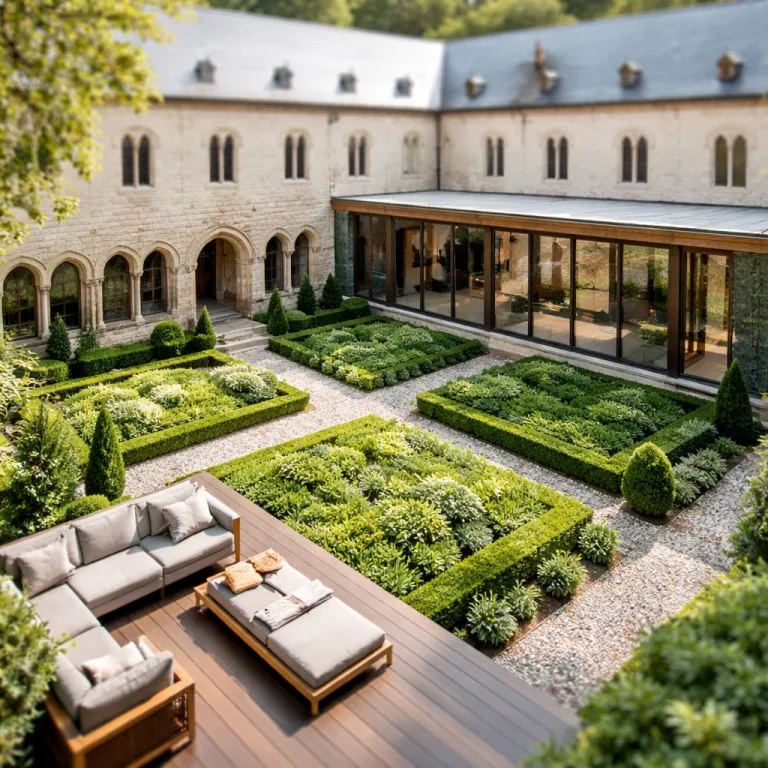
Why monastery hotels in Germany speak to modern luxury travelers
Monastery hotels in Germany offer something rare in the contemporary luxury landscape. These former cloisters and Kloster complexes translate monastic life into a quiet form of modern comfort, giving guests space to reset without the usual hotel theatrics. For solo travelers who move for culture, contemplation and design, a stay in a German monastery can feel more like a curated retreat than a standard hotel night.
Across Germany, around seventeen historic monasteries now operate as hotels, guest houses or hybrid retreats that balance heritage and design, according to Travelmyth data compiled in 2023.1 This new wave of monastery stays aligns with a broader shift in hotels Germany wide, where refurbishment and repositioning of existing buildings now rival new construction in strategic importance. For travelers used to polished chains from the United States or Italy, the specificity of each Germany monastery — its cloistered courtyards, monastery church and refectory turned dining room — is precisely what makes the experience feel genuinely premium.
These monastery hotels in Germany are not about excess but about clarity, where rooms are often pared back yet quietly luxurious, with private bathrooms, good beds and considered lighting. Many properties include structured retreats with meditation sessions, guided walks and simple shared breakfast rituals that echo monastic life without feeling performative. When you compare reviews of these hotels with conventional luxury addresses, a pattern emerges: guests consistently highlight silence, space and a sense of purpose as the real luxuries they remember.
Kloster Hornbach in Rhineland Palatinate: a Benedictine monastery reimagined
Kloster Hornbach in Rhineland Palatinate is the reference point for monastery hotels in Germany that aim at true high-end comfort. The twelfth-century Benedictine monastery has been converted into a characterful hotel where thick stone walls, vaulted corridors and a former monastery church frame a stay that feels both grounded and indulgent. With around thirty guest rooms and suites spread across the historic wings, spaces range from intimate chambers with exposed beams to contemporary suites, yet all are designed so guests sense the building’s age without sacrificing warmth or well-being.
Typical categories here include compact double rooms in the old convent wing, larger junior suites with freestanding bathtubs and family rooms that combine separate sleeping areas with shared lounges, giving design-conscious travelers options beyond a standard layout. The restaurant at this Kloster is a destination in itself, with refined regional cooking and a wine list that rewards lingering after breakfast or dinner. In summer, the garden becomes a kind of informal beer garden, where people move between shaded tables and quiet corners that once belonged to monastic gardens. For travelers comparing top-tier hotels Germany wide, Kloster Hornbach often appears in reviews alongside major city addresses, yet its appeal lies in the contrast: here, luxury is measured in silence, candlelight and the way the refectory’s acoustics soften conversation.
From a booking perspective, Kloster Hornbach handles both intimate retreats and larger group bookings with ease, making it a strong option for design-conscious friends traveling together. The property’s approach to monastic life is respectful rather than themed, so you never feel as if the monastery stays concept has been turned into a gimmick. If you usually gravitate to urban icons like the Four Seasons in Berlin, this kind of rural Kloster hotel offers a complementary experience, and you can read more about that city side of luxury in this detailed guide to Berlin’s most polished openings.
Augustiner Kloster Erfurt and the pull of lived history
Augustiner Kloster Erfurt sits at the intersection of theology, architecture and contemporary hospitality. This working German monastery is where Martin Luther once lived, and today parts of the complex operate as a simple yet atmospheric hotel for guests who value narrative as much as amenities. With roughly fifty guest rooms arranged around the cloister, walking its arcades before breakfast, you feel how centuries of monastic life have shaped the rhythm of the place.
Accommodation ranges from modest single cells for pilgrims and solo travelers to standard double rooms with desks and views of the monastery courtyard, plus a handful of slightly larger comfort rooms that work well for longer stays. Rooms here are intentionally restrained, with clean lines, comfortable beds and private bathrooms that respect modern expectations without overwhelming the historic shell. The experience is less about spa menus and more about the quiet luxury of hearing the bells from the monastery church while you read in a stone-framed window seat. For many people, this is the kind of retreat that recalibrates how they think about hotels in Germany, because the building’s story is inseparable from the stay itself.
Augustiner Kloster Erfurt also works well for solo travelers and small group bookings who want structured time for reflection, whether through guided meditation, lectures or informal conversations in the guest house lounge. While it is not a wellness resort in the Baden Württemberg spa tradition, it pairs beautifully with a more indulgent weekend in a thermal destination, and you can plan that side of your itinerary using this honest guide to spa hotels in Baden Baden. Together, these contrasting stays show how monastery hotels in Germany can anchor a broader journey through the country’s culture of rest and restoration.
From Bavaria to Lower Saxony: a quiet network of monastic retreats
Beyond the headline names, a network of smaller monastery hotels in Germany stretches from Bavaria to Lower Saxony and Baden Württemberg. Properties like Kloster Langwaden, Romantik Hotel Zum Klosterbräu, Kloster Huysburg Ekkehard Haus and Kloster Bonlanden each interpret the monastery stays idea differently, yet all share a commitment to calm, characterful rooms and a sense of place. Some operate as full-service hotels with on-site restaurants, while others lean closer to guest houses with simple breakfast and limited but thoughtful services.
In Bavaria, former convents and monasteries often sit on hillsides above small towns, with cloisters opening onto gardens where informal meditation or yoga sessions feel natural. In Lower Saxony and Saxony Anhalt, you find more austere brick complexes, where the appeal lies in long corridors, thick doors and the way sound drops as soon as you enter your retreat space. These Germany monastery properties rarely shout about luxury, yet reviews consistently mention how well guests sleep, how free they feel from digital noise and how the architecture itself becomes part of their inner reset.
Baden Württemberg adds another layer, with places like Kloster Bonlanden combining romantic rural settings, family-friendly policies and easy access to regional trails or small-town beer garden culture. Here, a monastery hotel stay can work year round, from winter weekends focused on reading and reflection to summer stays that mix cultural visits with walks through vineyards. If you want to balance these contemplative nights with more classic five-star energy, use this curated overview of weekend spa escapes as a counterpoint in your itinerary.
Architecture, monastic life and the aesthetics of restraint
What sets monastery hotels in Germany apart architecturally is their disciplined use of space. Cloisters become circulation routes that encourage slow walking, while former refectories turn into dining rooms where long tables and high ceilings make even a simple breakfast feel ceremonial. Many German monastery complexes retain their original stone vaults, timber beams and thick plaster, so guests sense history in every transition between rooms.
Design-forward hoteliers working in these Kloster buildings tend to embrace restraint rather than fight it, choosing natural materials, muted palettes and lighting that respects the rhythm of monastic life. Instead of heavy décor, you often find a single contemporary artwork in a corridor, or a carefully restored door frame that becomes the focal point of a retreat space. This approach aligns with a broader shift in hotels Germany wide, where cookie-cutter luxury is seen as a liability and the specific DNA of each property is treated as its primary asset.
For travelers, the result is an experience that feels both free of clutter and rich in meaning, where the architecture quietly shapes how you move, think and rest. Meditation rooms might occupy former chapter houses, while guest house lounges open onto cloister gardens that invite slow conversation rather than screen time. When you read reviews of the best monastery hotels in Germany, guests rarely talk about flashy amenities; they talk about light on stone, the sound of evening bells and the way a single corridor walk can reset an entire day.
Planning your monastery stay: practicalities, value and booking strategy
Planning a stay in monastery hotels in Germany requires a slightly different mindset than booking a conventional city hotel. Many properties are run either by religious communities or small independent teams, so the pace of communication can feel more human and less automated. Online booking via major OTAs and hotel websites is increasingly standard, yet for complex group bookings or special retreats, a direct email to the guest house or hotel reception still works best.
One of the quiet advantages of these Germany monastery stays is value, with many historic hotels priced between roughly ninety and one hundred sixty euros per night, based on recent listings on major booking platforms reviewed in early 2024.2 That range often includes generous breakfast, access to gardens and sometimes informal programming such as guided walks or short meditation sessions. Compared with similarly priced hotels in Italy or the United States, the depth of history and the quality of sleep you gain from such a retreat can feel like a strong return on investment.
When you research options, read reviews carefully to understand how each property balances monastic life with modern expectations such as Wi-Fi, private bathrooms and flexible check-in. Some monastery hotels in Germany are explicitly family friendly, with extra beds in rooms and outdoor space for children, while others lean toward silent retreats better suited to solo travelers. For a broader context on how these stays sit within the country’s premium landscape, this guide to the finest five star hotels Germany offers helps you map monastery retreats against more conventional luxury benchmarks.
Silence, structure and the new purpose driven luxury
Monastery hotels in Germany resonate strongly with travelers who see luxury as alignment rather than accumulation. The structure of monastic life — regular meals, quiet hours, shared spaces — translates surprisingly well into modern retreats that help guests reset their relationship with time. For many people, a few days in a Kloster hotel becomes less about escape and more about recalibrating everyday life back home.
Purpose-driven travelers often choose a Germany monastery stay as the anchor of a longer journey, building city breaks and cultural visits around a central period of silence and reflection. Some properties offer themed retreats focused on meditation, creative work or even professional reset, while others simply provide the conditions — calm rooms, good breakfast, clear expectations — for guests to design their own rhythm. Either way, the experience tends to linger, with reviews frequently mentioning how well travelers sleep and how free they feel from constant digital demands.
For the luxury and premium segment, this shift toward meaning over spectacle is significant, because it challenges hotels Germany wide to think beyond surface-level amenities. A monastery hotel does not need a vast spa or a flashy beer garden to feel indulgent; it needs integrity, coherent design and a clear sense of why it exists. As one expert summary puts it, “staying in historic monasteries converted into hotels” captures why these places matter in a market increasingly defined by heritage, authenticity and thoughtful restraint.
Key figures on monastery hotels in Germany
- There are around 17 monastery hotels operating in Germany, a small but significant niche within the national hotel inventory, according to Travelmyth data collected in 2023.1
- Most converted monasteries in Germany offer booking options year round, which allows travelers to experience both winter quiet and summer garden life in the same properties.
- Typical nightly rates for historic monastery hotels in Germany range from about 90 to 160 euros, based on current listings on major online travel agencies reviewed in early 2024, positioning them as strong value within the wider luxury and premium segment.2
- Many monastery hotels in Germany now provide modern amenities such as Wi-Fi, on-site dining and private baths, reflecting the broader trend of combining historical ambiance with contemporary comfort.
FAQ about monastery hotels in Germany
What amenities do monastery hotels in Germany usually offer?
Most monastery hotels in Germany combine simple rooms with essential modern comforts such as Wi-Fi, heating, on-site dining and private bathrooms. Some properties add small wellness areas, libraries or meditation rooms, while others focus on gardens and communal lounges. Always check individual hotel descriptions, because the balance between historic authenticity and amenities varies.
Are monastery hotels in Germany suitable for families?
Many monastery hotels in Germany are family friendly, especially those that operate partly as guest houses with larger rooms or apartments. These properties often provide extra beds, high chairs and outdoor space where children can move freely without disturbing other guests. However, some monasteries focus on silent retreats, so families should verify the house rules before booking.
Do monastery hotels in Germany have curfews or strict rules?
Some working monasteries that host guests maintain quiet hours or gentle curfews, particularly in areas close to the cloister or monastery church. Converted monastery hotels that operate fully as commercial properties tend to have more flexible access, though they still encourage respectful behavior. When in doubt, ask about arrival times, evening access and expectations around noise.
How far in advance should I book a monastery stay in Germany?
Because the number of rooms in monastery hotels is often limited, booking several weeks or months ahead is wise, especially for weekends or specific retreats. Popular properties in regions like Bavaria, Rhineland Palatinate or Baden Württemberg can fill quickly during holidays and festival periods. For last-minute stays, contacting the guest house or hotel directly sometimes reveals cancellations not yet updated online.
Can I attend religious services while staying in a monastery hotel?
In many working monasteries that host guests, visitors are welcome to attend services in the monastery church as observers. Participation is always optional, and staff usually explain the schedule at check-in or during the first meal. In fully secularized monastery hotels, the church may function more as an event or concert space, so opportunities for worship depend on the property’s current use.
1 Travelmyth, “Monastery Hotels in Germany,” dataset consulted 2023.
2 Indicative price range based on sample rates from major online travel agencies (OTAs) reviewed in early 2024; actual prices vary by season and availability.