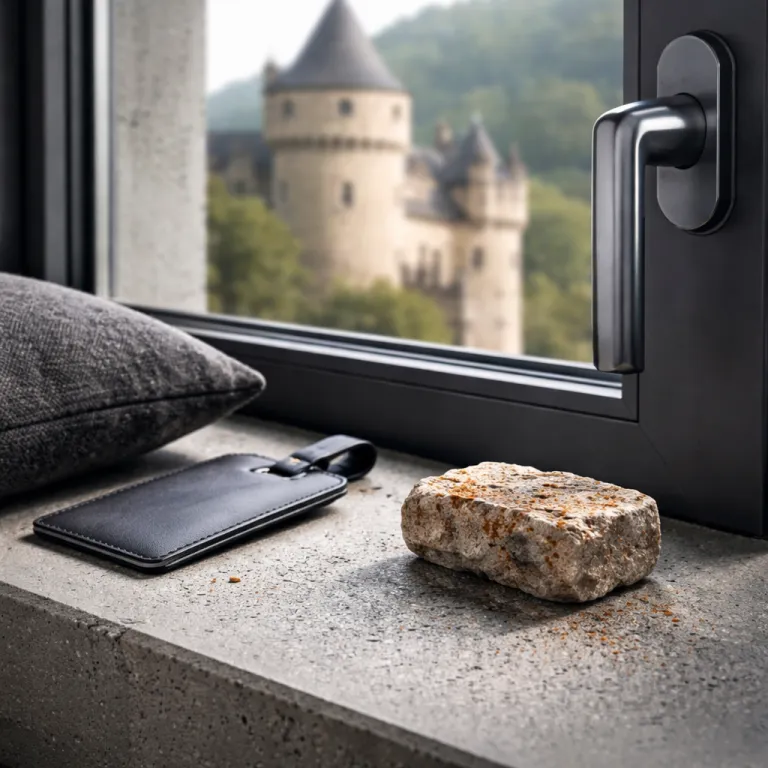
Hotel castle route Germany for refined cultural travellers
The hotel castle route Germany experience follows the historic Castle Road (Burgenstraße) in Germany and the Czech Republic, where more than seventy castles, palaces, and fortified towns line a scenic route of roughly 1,000 kilometres between Mannheim and Prague. This cultural corridor has become a discreet favourite for guests who want a romantic stay in a historic castle hotel while enjoying reliable availability, curated services, and seamless online booking. For German travellers used to high standards, the combination of medieval architecture, elegant rooms, and modern technology turns each day on the Castle Road into a memorable chapter of personal travel history.
Along this castle route, the Castle Road Association (Burgenstraße e.V.) coordinates cultural initiatives and provides official maps, while partners such as Romantik Hotels & Restaurants operate several castle hotels that blend heritage with contemporary comfort. When you plan your own castle-hotel itinerary in Germany, you move through regions like Baden-Württemberg, Franconia, and northern Bavaria, where each castle and each schloss offers different views, hiking trails, and levels of privacy. The route is open all year, so you can choose a winter stay with fireside ambience, a spring escape in nearby nature parks, or a late summer golf weekend with clear views across the fairytale landscapes of the Neckar or Main valleys.
Many German guests now expect to check availability in real time, compare room categories, and secure a specific view before they commit to a stay with breakfast or half board. Modern booking platforms integrate interactive maps, mobile apps, and digital guides, allowing you to follow the Castle Road by car, by bicycle, or even on selected hiking sections without losing sight of your preferred castle hotels. One frequent guest described the pleasure of “closing the car door at a motorway rest stop and opening it again under a castle gate an hour later” – a reminder that a well-planned castle route in Germany can feel effortless when digital tools quietly remove friction from every romantic road journey.
From Würzburg to Rothenburg ob der Tauber: where history meets hospitality
The stretch of the Castle Road between Würzburg and Rothenburg ob der Tauber is where many German travellers first understand how refined a castle hotel itinerary in Germany can be. In Würzburg, the UNESCO-listed Würzburg Residence and the Marienberg Fortress above the Main create a dramatic skyline, while nearby castle-style hotels offer elegant rooms with direct views of vineyards and the river valley. When you check availability here, you often find packages that include an overnight stay with a regional tasting menu in the restaurant, access to a spa area, and sometimes a round on a local golf course such as Golf Club Würzburg.
Driving the Romantic Road from Würzburg towards Rothenburg ob der Tauber (about 65 km, roughly one hour by car in normal traffic), you cross a landscape of soft hills, half-timbered villages like Ochsenfurt, and quiet nature park zones that invite slow travel. The route in this part of Germany intersects with the historic Castle Road, so you can sleep in a schloss one night, then spend the next day in a medieval town with intact walls and towers. Many hotels now provide digital maps of hiking trails, cycling routes, and wine walks, so guests can move between castles, vineyards, and river valleys without losing the thread of their own romantic narrative.
Rothenburg ob der Tauber itself offers several castle-hotel-style properties in and around the old town, where rooms often look directly onto cobbled streets or the Tauber valley. For German guests, the appeal lies in the contrast between a medieval gate at the entrance and high-speed Wi‑Fi, refined bedding, and quiet spa facilities inside. When you plan a hotel castle route Germany stay in this area, consider at least two nights: one full day for the town’s museums and wall walk, and another day for excursions along the Tauber or to nearby villages, so you can enjoy both the great views and the slower rhythm of local life. A practical local tip: arrive in Rothenburg by late afternoon, park outside the walls, and enjoy the evening hours when day-trip crowds have thinned and the town feels almost private.
Neuschwanstein, Füssen and the southern castles: fairytale settings with modern comfort
Further south, near Füssen in the Allgäu, many travellers on a castle-themed road trip in Germany combine the Castle Road with the Romantic Road and its most photographed highlight, Neuschwanstein Castle. Neuschwanstein rises above the Alpsee and Schwansee in a true fairytale setting. While the castle itself is not a hotel, the surrounding area offers castle hotels and refined properties that echo the romantic style with turrets, lake views, and elegant rooms. Many German travellers spend a day visiting Neuschwanstein and Hohenschwangau, then book an overnight stay with spa access, regional cuisine in a fine restaurant, and time to enjoy the nearby nature reserves on foot.
In Füssen and its surroundings, you find hotels that understand the expectations of guests who follow the Romantic Road and castle routes with a focus on wellness and active travel. Properties with on-site spa facilities, saunas, and pools often sit close to hiking trails and lakeside paths such as those around Forggensee, so you can alternate between a morning walk and an afternoon massage. When you check availability in high season (especially July and August), you will notice that rooms with a direct view of the mountains or lakes sell out quickly, which makes early planning essential for any castle hotel route in southern Germany.
Golf enthusiasts can also integrate a round into their castle road journey, as several courses in southern Germany offer views of castles and alpine peaks, for example near Garmisch-Partenkirchen or around the Allgäu. A few resorts close to Füssen combine an eighteen-hole golf layout with accommodation in castle-style or manor-house buildings, where an overnight stay including green fees and dinner becomes a complete short break. For German guests who value both sport and culture, this blend of golf, medieval heritage, and refined hospitality turns a hotel castle route Germany trip into more than a scenic drive; it becomes a curated lifestyle route.
Schloss Weitenburg, Schloss Eberstein and the rise of gourmet castle hotels
Some of the most compelling stops along the Castle Road are individual properties such as Schloss Weitenburg and Schloss Eberstein, which show how a single schloss can anchor an entire castle-hotel journey in Germany. Schloss Weitenburg, near Starzach in Baden-Württemberg, sits above the Neckar with wide views over the river and surrounding fields, offering elegant rooms in a genuine centuries-old castle that still feels like a private residence. Guests here often book an overnight stay with a multi-course dinner, where the restaurant focuses on regional produce and pairs dishes with wines from nearby Württemberg vineyards.
Schloss Eberstein, located above Gernsbach in the Murg valley near Baden-Baden, combines a historic castle structure with a strong culinary identity. The estate has hosted a Michelin-starred restaurant in recent years (status can change, so always check the latest Michelin Guide or the official Schloss Eberstein website), which attracts gourmets from across Germany. Staying in this castle hotel means waking up to views of steep vineyards, then spending the day between wine tastings, hiking trails in the Black Forest, and quiet corners of the surrounding nature park. When you check availability, you will often find packages that include an overnight stay with a tasting menu in the fine-dining restaurant, which turns a hotel castle route Germany itinerary into a gastronomic journey as much as a cultural one.
Both Schloss Weitenburg and Schloss Eberstein illustrate how castle hotels can integrate modern expectations such as spa treatments nearby, curated wine lists, and flexible cancellation policies without losing their medieval character. Many German guests now expect to see clear room categories, from compact historic chambers to larger suites with panoramic views, all presented transparently on booking platforms. By combining elegant rooms, attentive service, and strong culinary concepts, these properties set a benchmark for the entire Castle Road and show how a single overnight stay with dinner, bed, and breakfast can feel like a complete short holiday.
Designing a seamless booking journey along the castle route
For a luxury and premium hotel booking website focused on the hotel castle route Germany, the challenge is to translate a roughly 1,000‑kilometre cultural route into a clear, bookable narrative. The Castle Road Association describes the route as “a scenic route in Germany featuring over 70 castles and palaces” on its official website, and this sentence can guide how you structure filters, maps, and thematic collections on your platform. German travellers want to move from inspiration to reservation quickly, so the ability to check availability across multiple castle hotels on specific days, with clear information on rooms, views, and included services, becomes a decisive advantage.
A refined interface should allow users to select segments of the Castle Road, such as Mannheim to Würzburg, Würzburg to Rothenburg ob der Tauber, or extensions towards Füssen and the southern castles, then see curated lists of castle hotels in each area. Within every listing, highlight whether the property is a true medieval castle or a later schloss, whether it offers a spa, a golf course, Michelin-level dining, or direct access to hiking trails and nature park landscapes. By presenting overnight packages, such as dinner and green fees on an eighteen-hole golf course, or spa access and late checkout, you help guests understand the real value of each stay.
Trust also depends on transparent content about road conditions, seasonal events, and realistic driving times along this scenic road in Germany, especially for guests who want to combine the Romantic Road with the historic Castle Road. Include practical notes on parking at medieval properties, accessibility in older buildings, and the best times of day to enjoy specific viewpoints without crowds. When your booking website treats the hotel castle route Germany as a coherent cultural corridor rather than a random list of hotels, it becomes a reliable partner for German travellers who expect both romance and precision from their journeys. To convert inspiration into action, close each regional guide with a clear call to action such as “Plan your castle route now” that leads directly to filtered search results.
Key figures along the Castle Road
- The Castle Road extends for approximately 1,000 km between Mannheim in Germany and Prague in the Czech Republic, according to the Castle Road Association (Burgenstraße e.V.).
- Travellers encounter more than 70 castles, palaces, and fortified sites along this historic route, many of which now operate as hotels, museums, or cultural venues.
Essential questions about the Castle Road
What is the Castle Road ?
The Castle Road (Burgenstraße) is a designated tourist route in Germany and the Czech Republic that links more than seventy castles, palaces, and historic towns between Mannheim and Prague. It was created to highlight medieval and early modern architecture, support regional tourism, and make it easier for travellers to plan multi-day cultural journeys. Many properties along the route now function as hotels, museums, or event venues, which allows guests to sleep, dine, and attend concerts inside historic walls.
Where does the Castle Road start and end ?
The Castle Road officially starts in Mannheim in southwestern Germany and ends in Prague in the Czech Republic, covering around 1,000 km. Along the way, it passes through regions such as Franconia, northern Bavaria, and parts of Thuringia and Saxony, connecting cities like Heidelberg, Rothenburg ob der Tauber, and Bayreuth. This structure makes it easy for travellers to design shorter segments, such as Mannheim to Würzburg or Würzburg to Rothenburg ob der Tauber, depending on their available time.
Can you stay overnight in the castles ?
Yes, several castles and palaces along the Castle Road have been converted into hotels or guesthouses, offering rooms within historic buildings. These castle hotels range from simple, heritage-focused stays to full-service luxury properties with spa facilities, fine dining, and curated experiences. Because availability can be limited, especially in smaller castles, it is wise to check availability early and plan at least one overnight stay with dinner to fully enjoy the atmosphere.
FAQ
How many days should I plan for a hotel castle route Germany trip ?
For a meaningful experience, plan at least five to seven days along the Castle Road, staying in two or three different castle hotels. This allows time for slow travel between regions such as Mannheim, Würzburg, and Rothenburg ob der Tauber, with one full day in each major stop. If you want to include Füssen and the southern castles as an additional leg, extend your trip to around ten days to avoid rushed driving.
Is the Castle Road suitable for families with children ?
Many castle hotels along the route welcome families and offer larger rooms or suites, child-friendly menus, and outdoor spaces. Children usually enjoy the medieval towers, courtyards, and stories of knights, especially in places with interactive museums or guided tours. When booking, check availability for family rooms and confirm whether staircases, moats, or uneven paths might be challenging for very young children or prams.
Do castle hotels along the route offer modern amenities like Wi-Fi and spa facilities ?
Most premium castle hotels on the Castle Road combine historic architecture with modern comforts such as Wi‑Fi, high-quality bedding, and contemporary bathrooms. Many also feature spa areas with saunas, pools, and treatment rooms, especially in regions focused on wellness tourism. Always review the hotel description carefully and check availability for spa appointments if you are travelling during busy holiday periods.
Can I travel the Castle Road by public transport instead of car ?
It is possible to follow large sections of the Castle Road using trains and buses, especially between major towns like Mannheim, Heidelberg, and Würzburg, which are linked by frequent rail services. However, some castles and rural castle hotels sit away from main lines, so you may need taxis, local buses, or short walks for the final kilometres. Travellers who want maximum flexibility for hiking trails, golf courses, and remote nature park areas often prefer to rent a car.
When is the best season to book castle hotels in Germany ?
Spring and autumn offer mild temperatures, fewer crowds, and beautiful views of vineyards and forests, which suits many German travellers. Summer brings longer days and more events, but availability in popular castle hotels can be tight, especially around school holidays. Winter stays can be magical in medieval towns like Rothenburg ob der Tauber, where an overnight stay with festive menus and candlelit courtyards creates a particularly romantic atmosphere.
Trusted references
- Castle Road Association (Burgenstraße) for official route information, maps, and statistics.
- German National Tourist Board for national travel data and regional insights.
- Romantik Hotels & Restaurants for partner properties and castle-style hotels along the Castle Road and Romantic Road.
