How to choose the right hotel in Upper Bavaria, from Munich city stays to alpine and lakeside retreats. A refined, practical guide for discerning travelers.
Why Upper Bavaria is a compelling hotel destination
Snow-dusted peaks above Garmisch-Partenkirchen, deep blue lakes near Munich, and baroque church towers rising from quiet villages ; Upper Bavaria concentrates the postcard images many travelers associate with Bavaria Germany. For a stay built around comfort and atmosphere, the region offers a rare mix of alpine drama and urban culture. It is not a single place, but a mosaic of landscapes and hotel experiences that feel very different from one valley or city to the next.
Travelers considering hotels in Upper Bavaria usually hesitate between Munich city and the mountain or lake districts. Munich delivers museums, opera, and a dense choice of hotels within walking distance of the historic city centre around Marienplatz and Maximilianstraße. Further south, the mood shifts to hiking, spa rituals, and long evenings on a terrace facing the Alps. Both options can be excellent, but they do not suit the same type of trip, nor the same rhythm of night and day.
Upper Bavaria is a good choice if you value strong regional identity. Expect Bavarian details in hotel interiors, from carved wood to traditional fabrics, but also contemporary design and generous square meters in many new or renovated rooms. In the more refined properties, a hotel room is not just a place to sleep ; it becomes part of the landscape experience, with large windows framing mountains, lakes, or the tiled roofs of Munich.
Before booking, it helps to define your priorities clearly : cultural immersion in Munich, quiet lakeside stays, or access to hiking and skiing. The region can deliver all three, but rarely from the same address. Understanding this geography is the first step toward choosing the right hotel offers for your stay.
Munich and its surroundings: urban comfort with Bavarian character
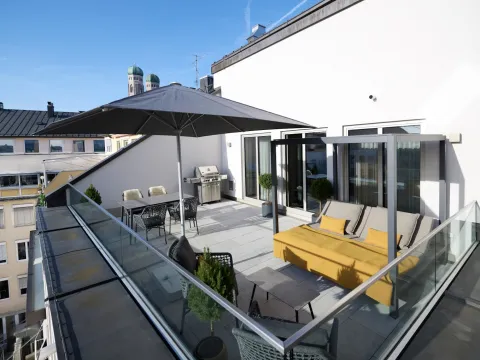
On a first visit, many travelers anchor themselves in Munich, using the city as a refined base to explore Upper Bavaria. Hotels in Munich city range from discreet luxury near the Residenz to more contemporary properties around the Kunstareal. Location matters here more than almost anything else. A room a few minutes’ walking distance from Odeonsplatz or Viktualienmarkt changes how you experience the city, allowing you to step out early, return for a rest, then head out again for the evening.
Urban hotels in this part of Bavaria tend to emphasize efficient layouts rather than vast square meters, especially in historic buildings. Expect comfortable rooms with flat screen televisions, well-designed lighting, and often air conditioning, which is increasingly appreciated during warmer summers. Many properties highlight location cleanliness and service as key strengths, knowing that guests spend much of the day outside, in museums, beer gardens, or along the Isar river.
For travelers arriving by car, free parking is rare in the dense centre and more common in hotels upper on the city’s edge or near the Mittlerer Ring. Here, you trade immediate access to the Altstadt for easier arrivals and departures toward the lakes and mountains. Some guests prefer this compromise, especially if they plan day trips to places like Tegernsee or Chiemsee.
Families often appreciate Munich as a gentle introduction to Bavaria Germany. Family friendly hotels close to the English Garden or the zoo in Thalkirchen make it easy to balance culture with playgrounds and green space. In this context, a Bavaria hotel in the city is less about alpine romance and more about practical comfort, reliable service, and a sense of urban Bavarian life.
Lake districts and spa retreats: where the room becomes a viewpoint
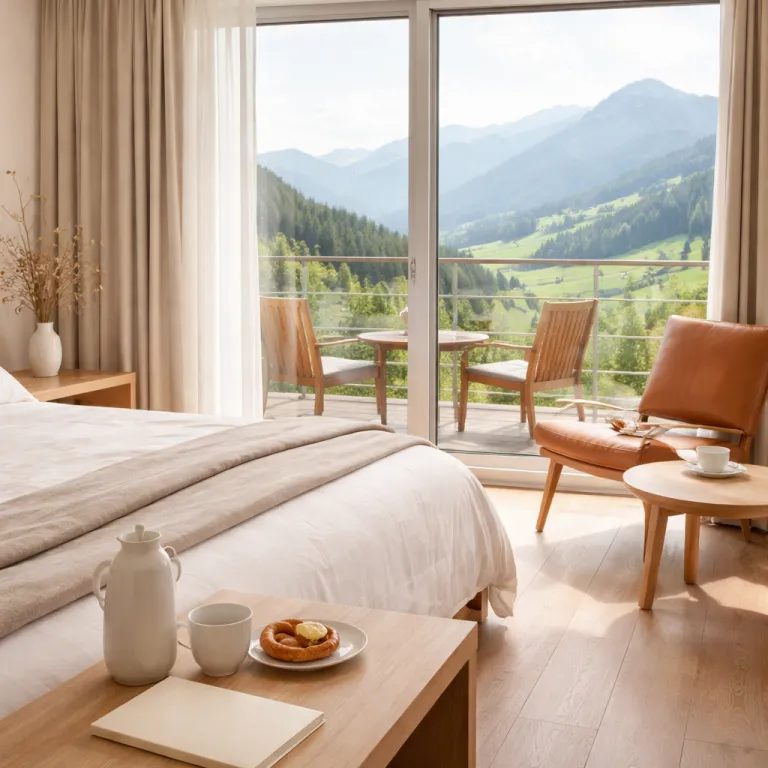
South of Munich, the atmosphere changes quickly. Around lakes such as Tegernsee, Starnberger See, or Schliersee, hotels in Upper Bavaria lean into the landscape, turning every room into a potential viewpoint. Here, the most memorable stays often come from simple elements executed with precision : a terrace facing the water, large windows, and quiet at night broken only by church bells or distant boats.
In these lakeside areas, comfortable rooms tend to be more generous in square meters than in the city, with layouts that invite lingering. Many properties offer balconies or terraces where breakfast or an evening drink becomes part of the experience. The décor often blends contemporary lines with Bavarian materials, such as light wood and wool textiles, avoiding kitsch while still feeling rooted in place.
Travelers focused on wellness will find that several hotels structure the entire stay around spa rituals. Saunas, pools, and relaxation rooms are not afterthoughts but central features, often with mountain or lake views. For guests who value slow mornings and long afternoons between treatments and short walks, this rhythm can be more appealing than the intensity of Munich city.
However, these lakeside retreats are not ideal for everyone. Guests seeking nightlife, shopping, or a dense choice of restaurants may find the evenings quiet, especially outside peak season. In such cases, a split stay can work well : a few nights in a hotel Munich for culture and dining, followed by a shorter lakeside interlude focused on rest and scenery.
Alpine stays in Garmisch-Partenkirchen and the mountain valleys
Closer to the Austrian border, Garmisch-Partenkirchen offers a different face of Upper Bavaria. The town sits under the Zugspitze, Germany’s highest peak, and many hotels orient their rooms toward this dramatic skyline. For travelers who prioritize hiking, skiing, or simply waking up to mountain views, this is often the most compelling base in the region.
Hotels here tend to emphasize proximity to trails and lifts. In summer, guests step out for hiking within minutes ; in winter, ski buses and nearby cable cars structure the day. A hotel room in this context becomes a place to recover : expect practical layouts, good beds, and often a focus on wellness areas where tired legs can rest. Some properties offer family friendly configurations, with interconnected rooms or small suites that work well for parents traveling with children.
The town itself has a distinct character, with frescoed houses along Ludwigstraße in the Partenkirchen district and more modern buildings closer to the station. Staying within walking distance of this central axis allows easy access to restaurants and cafés after a day outdoors. For those arriving by car, free parking is more common than in Munich, especially in hotels slightly above the main streets, und yet it is worth checking in advance if this is a priority.
Compared with lakeside resorts, Garmisch-Partenkirchen feels more active and less contemplative. Evenings can be lively during peak seasons, and the mix of international visitors and locals gives the town a cosmopolitan edge. Travelers seeking a pure nature retreat might prefer quieter valleys, but for a balanced alpine experience with solid hotel infrastructure, this remains a strong choice.
Understanding room types, space, and comfort levels
Choosing the right hotel in Upper Bavaria often comes down to understanding how space and comfort are configured. Room descriptions can be deceptively similar, yet the actual experience varies widely between a compact city room in Munich and a generous alpine suite. Paying attention to square meters is essential, especially for longer stays or for families who need space to unpack and move around.
In urban properties, standard rooms may prioritize efficient use of space over size. A well-designed 18 m² room with thoughtful storage, a quality bed, and a flat screen placed at the right distance can feel more comfortable than a larger but poorly organized space. Air conditioning is increasingly common in Munich city hotels, but still not universal in older buildings, so guests sensitive to heat should verify this detail.
In the mountains and around lakes, rooms often expand in both width and height, with sloping roofs, seating areas, and sometimes small dining corners. Here, the terrace or balcony effectively extends the living area, especially in summer. For travelers who plan to spend more time in the room, reading or simply watching the light change on the mountains, this extra space can significantly enhance the stay.
Families should look beyond simple “triple room” labels. Family friendly hotels may offer dedicated family rooms, apartments, or rentals with separate sleeping areas, which can make evenings more relaxed. In all segments, the most satisfying stays tend to come from properties that align room size, layout, and amenities with the type of trip you are planning, rather than from the highest rating alone.
Family stays, pet policies, and genuinely friendly hotels
Traveling with children or pets in Upper Bavaria introduces another layer of criteria. Not every elegant property is truly family friendly, and not every “friendly hotel” delivers the same kind of welcome. The difference often lies in small, concrete details rather than in broad promises.
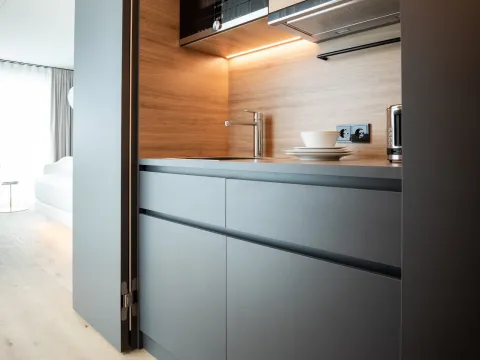
For families, hotels that work best usually offer more than just extra beds in a standard room. Look for clear indications of family rooms, suites with doors that close, or serviced rentals with kitchenettes. Proximity to parks or easy hiking paths matters as much as interior comfort. In Munich, for instance, staying near the English Garden or within easy tram distance of the zoo in Thalkirchen can transform a city break into a relaxed family experience.
In alpine areas and around lakes, family friendly hotels often sit close to gentle hiking routes, playgrounds, or bathing spots. A terrace where parents can sit while children play within sight is more valuable than it might seem on paper. Some properties also provide small but thoughtful touches, such as children’s menus or flexible breakfast hours, which make mornings less rushed.
Pet policies vary widely. While many hotels in Bavaria Germany accept dogs, especially in rural areas, the level of integration differs. Some simply tolerate pets in rooms ; others provide designated walking areas or ground-floor access that makes daily routines easier. Travelers who value a genuinely warm welcome, whether for children or animals, should prioritize hotels where friendliness is reflected in concrete arrangements, not only in reviews.
Location, cleanliness, and the subtle art of choosing the right address
Beyond obvious criteria like star rating, three elements tend to define satisfaction in Upper Bavaria : location, cleanliness, and how well the hotel’s character matches your expectations. These factors are less glamorous than mountain views, yet they shape the daily experience of every night you spend there.
Location is not just about being central. In Munich, staying directly on or just off streets like Tal or Theatinerstraße places you in the heart of the city, but also in the middle of its noise. Some travelers prefer a quieter side street a few minutes’ walking distance away, trading immediate access for better sleep. In Garmisch-Partenkirchen, being slightly above the centre can mean clearer views and easier free parking, at the cost of a short uphill walk.
Cleanliness is non-negotiable in a premium context. In practice, this goes beyond spotless rooms to include well-maintained common areas, fresh textiles, and bathrooms that feel properly ventilated. Properties that invest in regular renovation, even of small details like corridor carpets or terrace furniture, tend to deliver a more coherent sense of care.
Finally, the match between a hotel’s atmosphere and your own travel style matters. A traditional Bavarian hotel with carved wood and regional fabrics can feel charming to some and heavy to others. Conversely, a minimalist design property might appear cold if you expect alpine coziness. The most satisfying stays come when the visual language of the hotel, its rooms, and its public spaces align with what you imagine for your time in Upper Bavaria.
When to stay, how long, and how to combine different parts of Upper Bavaria
Deciding when to visit Upper Bavaria and how to structure your itinerary influences the type of hotel that will suit you best. Seasons change the region’s rhythm dramatically. Summer brings hiking, lake swimming, and long evenings on hotel terraces, while winter focuses on skiing, Christmas markets, and cozy interiors. Spring and autumn, with their softer light and fewer crowds, often offer the most balanced experience.
For a first discovery, many travelers choose a combination stay. A few nights in a hotel Munich allow immersion in museums, concerts, and Bavarian urban life. This can be followed by several nights in the lakes or in Garmisch-Partenkirchen, where the focus shifts to nature and slower days. Such a structure lets you experience both sides of Upper Bavaria without constant packing and unpacking.
Short stays of one or two nights favor central locations and efficient hotels, especially if you arrive by train at München Hauptbahnhof. In this case, being within walking distance of key sights saves time and energy. Longer stays of a week or more justify choosing hotels with larger rooms, balconies, or even serviced rentals, where the extra square meters and small conveniences make daily life more pleasant.
Ultimately, Upper Bavaria rewards travelers who align their hotel choice with the specific mood they seek : cultural intensity, alpine activity, or lakeside calm. By considering location cleanliness, room size, access to hiking or urban attractions, and the kind of friendliness that matters to you, it becomes easier to select the right place for each night of your Bavarian journey.
- Number of hotels in Upper Bavaria: 3 559 properties currently listed across the region.
- Notable large city hotel capacity: one leading property in Munich offers around 340 rooms, illustrating the scale available in the Bavarian capital.
Traveler questions about hotels in Upper Bavaria
What are the top hotels in Upper Bavaria?
Upper Bavaria offers a wide spectrum of high-end properties, from grand city addresses in Munich to refined lakeside and alpine retreats. In Munich, large historic hotels near the city centre provide extensive facilities, multiple restaurants, and generous spa areas. Around the lakes and in Garmisch-Partenkirchen, smaller luxury properties focus more on views, wellness, and direct access to nature. Rather than chasing a single “best” hotel, it is more useful to define whether you prefer an urban, lakeside, or mountain setting, then select within that category according to room size, atmosphere, and location.
Is Hotel Geiger still operational?
This historic property in Upper Bavaria is no longer in operation. It opened in the 19th century and welcomed guests for many decades before closing in the late 20th century. Travelers interested in the region’s hotel history may still encounter references to it in local archives or historical accounts, but it should not be considered as an accommodation option when planning a current stay in Bavaria Germany.