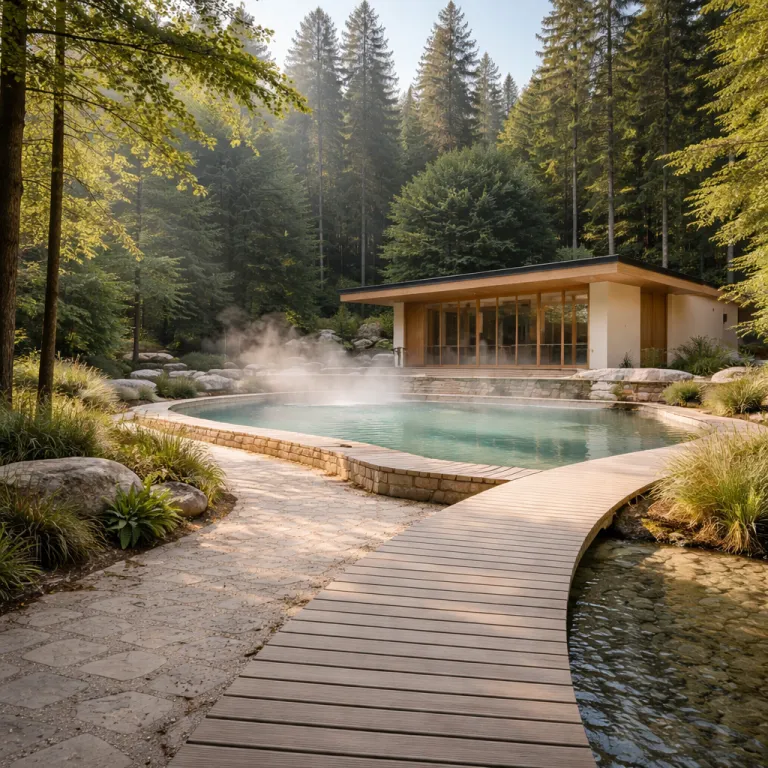
From spa hotel to serious wellness retreat in Germany
Luxury travelers searching for wellness retreats in Germany quickly realise that not every spa hotel qualifies as a genuine health-focused escape. A classic five-star hotel with a pretty spa may offer pampering, while a true retreat in Germany builds structured health programmes around medical expertise and long-term lifestyle change. When you browse any booking website, look beyond glossy photos and read the details of the retreat schedule, the length of stays in days, and the qualifications of the spa wellness équipe.
The distinction starts with intent, because a leisure spa resort focuses on relaxation while a serious wellness retreat in Germany is designed around measurable health outcomes. You will see this in the way detox retreats are framed, with consultations, diagnostics and follow-up rather than just a juice day or a sauna afternoon. Couples comparing retreats should check whether the room category, spa outdoor facilities and included programmes align with their own wellness goals, from stress relief to weight loss support.
Germany’s Kur tradition still shapes how the best retreats operate, especially in regions such as Bavaria, Baden-Württemberg and Schleswig-Holstein. Properties rooted in Kur culture tend to integrate medical staff, hydrotherapy and nutrition into their wellness retreats rather than treating the spa as an add-on. When you evaluate reviews, prioritise comments that mention doctors, therapists and concrete health improvements over generic praise for the hotel décor or the breakfast buffet; one guest at a Bavarian Kur hotel, for instance, described in a public review how a seven-day supervised fasting programme helped reduce blood pressure medication under medical guidance.
Thermal springs worth travelling for in Baden and beyond
Some wellness retreats in Germany are built around thermal water so distinctive that couples plan entire trips around a single spa day. Baden-Baden remains the reference point, where grand hotels and discreet retreats tap into mineral-rich springs that have shaped European health travel for centuries. In this part of Baden-Württemberg, a spa wellness stay often combines classical architecture, serious hydrotherapy and access to forested hills for gentle movement between treatments.
Other historic spa towns carry the "Bad" prefix in their names, signalling their status as recognised health destinations in Germany. When you see places such as Bad Wörishofen or Bad Wildungen on a booking website, you are usually looking at communities where wellness is woven into daily life rather than added as a marketing flourish. Göbel's Hotel Quellenhof in Bad Wildungen, for example, integrates its Quisisana Medical Spa with pools and saunas into longer retreat programmes that attract guests for several days rather than quick weekend breaks, as described in the hotel’s own programme overviews and sample schedules.
Thermal regions outside Baden-Baden also reward attention, especially for couples seeking quieter wellness retreats. In Bavaria, traditional Kur towns pair alpine scenery with medical supervision, while in Lower Saxony and North Rhine-Westphalia you find more understated spa resort options with strong value for longer stays. For a deeper overview of spa wellness resorts across the country, our guide to elevated health-focused escapes in Germany on mygermanystay.com maps out properties where the water, not the wallpaper, is the main event and summarises typical inclusions such as physician consultations, mineral baths and supervised exercise.
Black Forest immersion and the rise of forest based wellness
The Black Forest has become a quiet powerhouse for wellness retreats in Germany, especially for couples who value nature as much as any spa. Here, Waldbaden or forest bathing is not a passing trend but a clinically studied practice that many wellness programmes integrate alongside hydrotherapy and yoga retreats. A 2017 review in the International Journal of Environmental Research and Public Health reported that guided forest exposure can reduce stress markers and improve mood, findings that underpin how serious retreats in this region design their schedules; readers can consult the journal’s archives for the full methodology and data.
Schloss Elmau, set in a secluded Bavarian valley, has become the benchmark for combining culture, nature and wellness in one retreat. The property offers six spacious spas and cultural events, creating a rare balance between contemplative health work and world-class concerts under the same roof. Couples can move from a silent spa outdoor pool to an evening of chamber music, then return to a calm room where the design quietly supports rest rather than performance.
Forest-focused wellness retreats are not limited to the Black Forest, because similar philosophies appear in parts of Saxony and Schleswig-Holstein where woodland and coastline meet. In these regions, a wellness retreat might pair yoga retreats at sunrise with long coastal walks later in the day, using the landscape as a natural detox without overusing the term. When you read reviews for such retreats, look for details about guided nature experiences, breathing exercises and how many days guests felt they needed to feel a real shift; a typical three-day sample schedule might include morning breathing practice, midday hydrotherapy, afternoon forest walks and evening relaxation sessions.
Lanserhof, Lanserhof Sylt and the new clinical luxury
For many couples researching wellness retreats in Germany, the name Lanserhof signals a different level of clinical ambition. These retreats operate more like health campuses than traditional hotels, with diagnostics, fasting protocols and tailored programmes that address everything from stress to weight loss. At Lanserhof Sylt, the North Sea climate becomes part of the treatment concept, with spa outdoor walks and carefully calibrated movement sessions built into each day, as outlined in the retreat’s published programme descriptions and medical concept summaries.
Lanserhof properties show how a retreat can integrate medical rigour without sacrificing comfort or design. Rooms feel more like serene health studios than classic hotel suites, with uncluttered lines, generous light and details that support rest, such as excellent soundproofing and high-quality bedding. Couples considering these retreats should study the programmes closely, checking which health services are included in the base price and which add-on diagnostics might be necessary for their specific goals, and they should verify current programme components directly with the provider because offerings evolve over time.
Clinical-style wellness retreats are not limited to Lanserhof, but its approach has influenced other high-end resorts across Germany. In regions such as Westphalia, the Rhine region and northern Schleswig-Holstein, newer properties are blending medical expertise with contemporary spa wellness architecture and discreet service. When comparing these options on a booking website, filter by length of stays in days, presence of medical staff and whether detox retreats are offered year-round or only seasonally, and cross-check any health claims against independent reviews or published medical partnerships.
How to read a wellness booking website like an insider
Choosing between wellness retreats in Germany can feel overwhelming when every hotel claims to be transformative. Start by checking whether the property positions itself primarily as a spa resort or as a structured wellness retreat with defined health outcomes and clear programmes. A serious retreat will outline daily schedules, minimum stays in days and the balance between treatments, movement and rest, rather than just listing a long spa menu.
Language matters when you read the details on any booking website, especially for couples investing in premium experiences. Phrases such as "medical supervision", "qualified practitioners" and "individual consultations" usually indicate a deeper commitment to health than generic promises of relaxation. As one expert summary from the German National Tourist Board explains, Kur is Germany's tradition of therapeutic spa stays in recognised health resorts, influencing modern wellness practices and the way many retreats structure their programmes; readers can refer to the Board’s official publications for definitions and current statistics.
Practicalities deserve as much attention as poetry, particularly for German-based travelers planning multiple retreats each year. Check whether retreats operate year-round or only in specific seasons, and confirm language options if one partner is less comfortable in German. For a broader perspective on how luxury travel intersects with wellness, our refined look at premium airline club suites for German travelers on mygermanystay.com offers useful context on aligning every part of the journey with your health priorities, from airport lounges to sleep-friendly flight timings.
FAQ about wellness retreats in Germany
Do I need to speak German to attend a wellness retreat ?
Many wellness retreats in Germany welcome international guests and operate partly in English. Urban spa hotels and larger resorts are especially used to bilingual couples, though smaller retreats in Saxony or Lower Saxony may default to German. The safest approach is to contact the hotel directly and confirm language options for consultations, yoga retreats and any medical programmes before you book.
How long should a serious wellness retreat stay last ?
For meaningful change, most experts recommend at least five to seven days in a structured wellness retreat. Shorter two or three day breaks can still be valuable for rest, but they rarely allow enough time for detox retreats, diagnostics and sustainable habit building. When comparing offers on a website, look for packages that clearly state the minimum number of days required for each programme and what is realistically achievable in that duration.
What is the typical cost of mid range wellness retreats in Germany ?
Data from specialist platforms shows that the average cost of mid-range five to seven day retreats in Germany is often around 800 euros per person, excluding travel, though current prices should always be checked directly with providers. This usually covers accommodation in a comfortable room, access to spa wellness facilities and a defined schedule of treatments or classes. High-end properties such as Schloss Elmau or Lanserhof can cost significantly more, but they often include more intensive health services and a higher staff-to-guest ratio.
How does Kur culture influence modern spa resorts and retreats ?
Kur culture refers to Germany’s long tradition of prescribed therapeutic stays in recognised spa towns, especially those with "Bad" in their names. Modern wellness retreats in places like Baden-Württemberg, Bavaria and Schleswig-Holstein often build on this heritage by integrating medical staff, hydrotherapy and nutrition into their programmes. Guests benefit from a blend of historical knowledge and contemporary science, rather than a purely cosmetic spa experience.
Are wellness retreats in Germany suitable for couples with different goals ?
Many retreats in Germany are designed with flexibility so that one partner can focus on weight loss or detox while the other prioritises stress relief and gentle movement. Larger resorts with multiple spas and varied programmes, such as those in the Black Forest or along the North Rhine corridor, are particularly good at accommodating different needs. When booking, explain your individual goals to the hotel team and ask how they can tailor the retreat schedule for both of you.