Why industrial design hotels in Germany feel so authentic
Germany’s wave of industrial design hotels begins with the buildings themselves. Vast factory halls, gasworks complexes and grain silos were built for efficiency and endurance, yet their generous volumes now frame some of the country’s most characterful hotel conversions. When you read the story of each property, you sense how history, industry and hospitality are being stitched together with care.
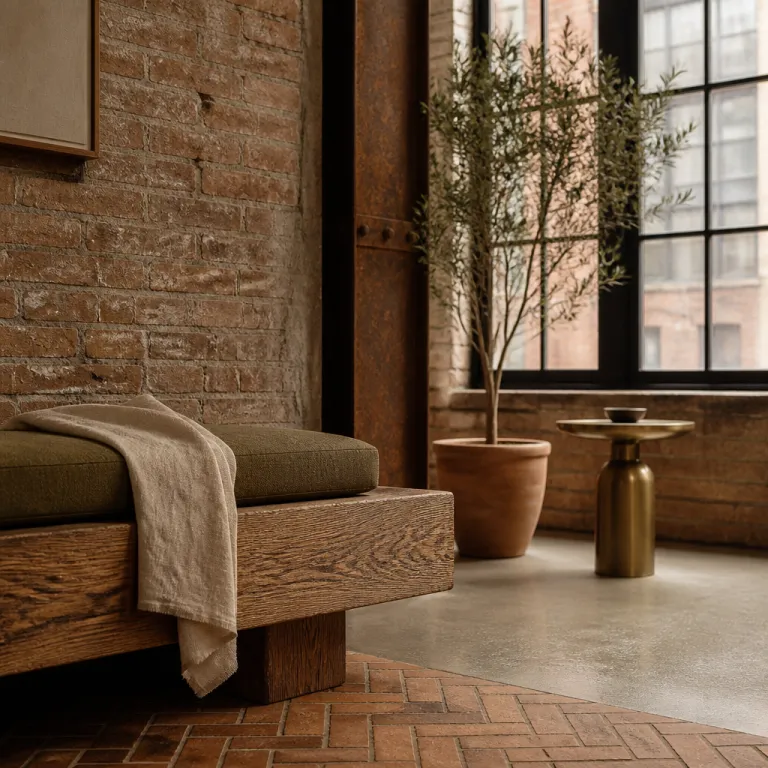
Across Germany, dozens of former industrial sites now operate as hotels; a 2023 survey by the German National Tourist Board noted that at least forty significant conversions were open or in planning, and the number continues to grow. These industrial hotels preserve exposed brick, steel trusses and raw concrete walls, while layering in soft textiles, warm light and precise interior design to meet contemporary expectations of comfort. The most compelling design hotels use this tension between hard industry and soft hospitality as their signature, rather than hiding it behind generic décor.
For luxury travelers, the appeal goes beyond aesthetics and into narrative. Checking into a design hotel created from a factory built for coal or a gas plant that once powered a port city means sleeping inside the story of modern Germany itself. Industrial style becomes more than a look; it becomes a way to feel the country’s evolution from heavy industry to culture, gastronomy and spa-focused leisure.
Hamburg’s pioneers: from gas plant to loft style landmark
Hamburg is where industrial design hotels in Germany truly stepped into the luxury spotlight. In the west of the city, Gastwerk Hotel Hamburg occupies a former gasworks where coal once arrived daily; the brick complex dates back to the late nineteenth century and opened as a hotel in 2000 under architect Regine Schwethelm. Its cathedral-like shell now frames generous guest rooms and suites that feel both urban and serene. This is not a themed backdrop; it is a Hamburg story written directly into the masonry and steel.
Inside Gastwerk, the industrial style is handled with unusual restraint. Double-height loft spaces retain exposed brick, original iron columns and striking concrete-and-wood contrasts, while carefully placed light softens the drama and highlights the building’s history rather than overwhelming the guest rooms. As one long-time manager told a local design magazine in 2022, the aim was always “to let the old gasworks breathe, not to dress it up as something it never was.” The result is a design hotel that feels genuinely rooted in Hamburg, not in a generic idea of a factory hotel imported from Southeast Asia or New York.
Across the city, the former Oberfinanzdirektion from 1907 has been converted into Fraser Suites Hamburg, which opened in 2019 and shows how the city’s administrative heritage can also support refined hotel projects. Travelers who read our in-depth guide to Germany’s Bauhaus-inspired stays on Germany’s Bauhaus hotels will recognize the same respect for proportion, light and craftsmanship here. Together, these properties show how a hotel in Hamburg can be both a showcase for contemporary design and a quiet retreat after a day on the Elbe.
Beyond Hamburg: silos, breweries and high rises reimagined
The industrial design hotels story stretches far beyond the port warehouses of Hamburg. In Bremen, the former Kellogg’s site on the Überseeinsel has seen its silos and production buildings reimagined as a 117-room waterfront hotel that opened in 2023, turning raw cylinders of concrete into guest rooms that frame the river like vertical cabins. City planning documents from 2018 already described the project as a “lighthouse for the new Weser district,” and the finished architecture makes you read the river differently, including its working docks and grain terminals, rather than editing industry out of sight.
Further south, a 1970s commercial building in Munich has been transformed into The Flushing Meadows Hotel & Bar, opened in 2014 and designed by Arnold / Werner, where exposed concrete ceilings, graphic interior design and a rooftop bar create a cinematic urban hideout. In Eilsbrunn near Regensburg, a former brewery complex has been reworked into a hotel that pairs industrial-style brickwork with views of surrounding nature and a quietly luxurious spa, proving that industrial hotels can feel surprisingly rural. In Frankfurt, the revitalization of a former Commerzbank high-rise into a roughly 200-room hotel, announced in 2022 as part of a mixed-use conversion, shows how postwar office towers, not only factories, can join the wave of adaptive-reuse properties.
These projects share a commitment to adaptive reuse as a form of contemporary luxury. Rather than chasing the infinity-pool clichés of Southeast Asia, they invest in architecture, history and context, often integrating wellness concepts similar in ambition to the longevity-focused retreats we profile in our feature on Germany’s new wave of longevity hotels. One solo traveler who stayed at both the Bremen silo hotel and a Munich factory conversion in 2023 described it as “like walking through a living museum where you can close the door and run a bath.” For the solo explorer, that sense of immersion means each hotel, from a compact loft room to expansive suites, becomes a lens on how Germany is rewriting its industrial past.
How to read an industrial conversion: authenticity, comfort and light
Not every property marketing itself as part of the industrial design hotels trend is equally convincing. Some hotels are newly built shells with a few exposed-brick panels and industrial-style lamps, while others are true conversions where the structure, circulation and guest rooms are shaped by the original factory or warehouse. Learning to read these differences will help you choose a hotel that feels substantial rather than stagey.
Start with the bones of the building and how they influence daily life. In a genuine factory hotel or gasworks conversion, you will notice irregular room layouts, generous ceiling heights and long corridors that once moved goods rather than guests, with interior design working around these constraints instead of erasing them. Light is another clue; large factory windows, clerestories and sometimes views towards a river or lake will often dictate how hard concrete surfaces are softened with textiles, timber finishes and carefully layered lamps.
Comfort matters as much as character, especially in Germany’s varied climate. Ask how the hotel has addressed acoustics, temperature control and wayfinding in these hard-surfaced, large-volume spaces, because the best design hotels turn potential challenges into quiet strengths. When a property balances history, industry and hospitality this well, industrial hotels stop being a niche curiosity and become some of the most rewarding choices for repeat stays.
Sustainability, wellness and the future of industrial hotels in Germany
Adaptive reuse sits at the heart of industrial design hotels in Germany, and it is reshaping what luxury means for a new generation of travelers. Keeping a factory, brewery or high-rise standing is often more environmentally sound than demolishing and rebuilding, especially when combined with efficient systems and sustainable materials. In practice, that means a hotel can offer generous guest rooms and spa facilities while still presenting a credible sustainability narrative.
Across Germany, local governments, heritage organizations and hospitality groups are collaborating to turn disused industrial sites into hotels that anchor new urban districts. Hotel Werk 17 in Munich’s Werksviertel, for example, sits within a former industrial quarter now filled with creative offices, venues and public spaces, and city press releases from 2021 highlighted it as a model for mixed-use regeneration. As one industry explainer puts it, “Hotels created by repurposing former industrial buildings” and “To preserve heritage and offer unique accommodations” capture both the method and the motivation behind these projects.
For travelers using mygermanystay.com to plan a route through industrial hotels, this shift opens up rich itineraries that link port warehouses in Hamburg with riverfront silos in Bremen and brewery conversions near forest and lake landscapes in the south. You might pair a stay in a dramatic loft room with a night in a quieter spa-focused property, or alternate between grand city hotels and more intimate factory-hotel retreats. Our deep dive into Berlin’s evolving luxury scene, how Berlin’s hotel boom is rewriting the city’s luxury map, shows how this industrial heritage lens will only become more relevant as new openings accelerate.
FAQ: industrial conversion hotels in Germany
What exactly are industrial conversion hotels in Germany?
Industrial conversion hotels in Germany are properties where former factories, warehouses, silos, breweries or office towers have been transformed into full-service accommodation. These hotels typically retain structural elements such as exposed brick, steel beams and concrete walls, while adding contemporary interior design, spa facilities and modern guest rooms. The aim is to preserve history and industry while delivering the comfort expected from premium and luxury stays.
Are industrial design hotels in Germany more expensive than regular hotels?
Prices at industrial-style design hotels vary widely, but many sit in the premium bracket because of their unique architecture and limited room counts. Some factory conversions in secondary cities can be competitively priced compared with central business district properties, while landmark projects in Hamburg or Munich may command higher rates. The value often lies in the experience; you are paying for character, history and design rather than only for an address.
Do these hotels keep their original industrial features inside the rooms?
Most serious industrial hotels in Germany make a point of preserving original features both in public areas and in guest rooms. You might sleep beneath a concrete ceiling, walk past exposed brick walls or see old machinery repurposed as sculpture, with timber finishes and soft textiles adding warmth. The balance between raw industry and comfort varies by hotel, so travelers sensitive to acoustics or light should read room descriptions carefully before booking.
Where are the strongest clusters of industrial conversion hotels in Germany?
The most interesting clusters of industrial design hotels are currently in Hamburg, Bremen, Munich and parts of the Ruhr region. Hamburg stands out for properties like Gastwerk Hotel and the Fraser Suites conversion, while Munich offers high-rise and brewery projects that mix city energy with access to nature and lake landscapes. Smaller towns with strong industrial history, especially along major rivers, are beginning to add conversions that complement the big-city flagships.
How far in advance should I book an industrial conversion hotel?
Because many industrial hotels have fewer rooms and distinctive suite layouts, they can sell out quickly during weekends, trade fairs and cultural events. It is wise to book several weeks ahead for major cities like Hamburg, and even earlier if you want specific loft-style rooms or spa packages. Always read cancellation policies carefully, as some design-focused properties offer flexible rates that suit solo explorers planning multi-city itineraries.