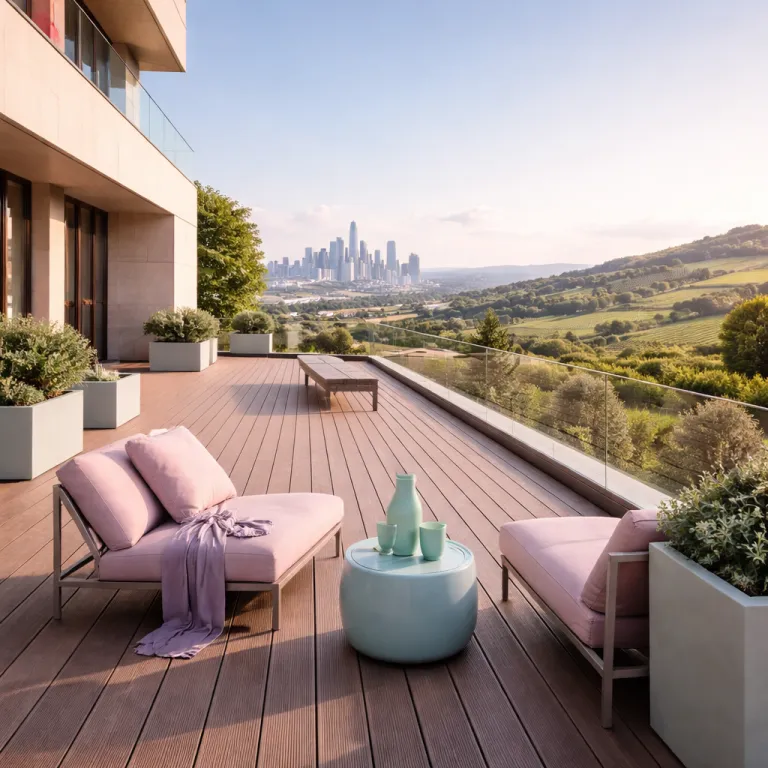
Frankfurt greater region at a glance for discerning travelers
From the glass towers along Mainzer Landstraße to the quiet vineyards above the river Main, the Frankfurt greater region offers a surprisingly layered hotel landscape. Travelers considering a stay here usually want two things at once: an efficient, cosmopolitan city and quick access to nature, forest, and historic town centers. Frankfurt in Germany delivers that combination with unusual ease.
Within the city itself, large business-focused hotels cluster around Frankfurt Main station and the Bankenviertel, with well appointed rooms, extensive meeting spaces, and often a bar or restaurant overlooking the skyline. These city hotels suit travelers who value a central location above all else, especially when every minute between meetings counts. Views of the city, indoor pool access, and a spa with an indoor relaxation area are common differentiators at the premium end.
Beyond the immediate center, the greater region stretches north toward the Taunus hills and south toward the Rhine-Main plain. Here, hotels tend to be quieter, with more generous rooms and suites, and sometimes direct access to forest trails or riverside paths. The trade-off is clear : less instant nightlife, more breathing space. For many Germany-based travelers, that balance makes the region one of the best places to stay for combining work in a cosmopolitan city with restorative evenings.
Anyone asking whether the Frankfurt greater region is a good choice for a luxury or premium stay should expect this duality. Efficient infrastructure, a dense network of hotels Frankfurt wide, and a mix of modern towers and historic hof courtyards define the experience. The key is choosing the right micro-location for your priorities.
Staying in central Frankfurt: skyline, culture, and short transfers
On the north bank of the Main, around Willy-Brandt-Platz and the Alte Oper, the city feels compact yet intensely urban. Hotels here place you within a 10-minute walk of the river promenade, the Zeil shopping street, and the historic Römerberg town square. For travelers who want to step out of the lobby and immediately feel the pulse of a cosmopolitan city, this is the most compelling location.
Rooms in central city hotels tend to be slightly smaller but more design driven, with floor-to-ceiling windows framing views of the city or the river. Many properties emphasize a modern aesthetic : clean lines, muted colors, and clever lighting that softens the businesslike atmosphere. A well appointed spa or a small indoor pool is often tucked into a lower floor, offering a quiet counterpoint to the bustle outside.
Dining is a strong point. You will find everything from refined hotel restaurants serving contemporary German cuisine to intimate venues where a chef reworks regional classics like Handkäs or green sauce. Some addresses collaborate closely with nearby Michelin restaurant kitchens, either through guest-chef events or curated tasting menus served in-house. A rooftop bar with skyline views is almost a standard feature at the upper premium level.
The main advantage of this central location : minimal transfer times. Frankfurt Main station, the financial district, and the riverfront museums sit within a compact radius. For short stays, especially one or two nights, this area usually offers the best hotels for travelers who want to maximize both work and evening exploration without relying heavily on taxis or regional trains.
South of the river: Sachsenhausen and the quieter city edge
Across the bridges, Sachsenhausen stretches along the south bank with cobbled streets, traditional apple wine taverns, and a more residential rhythm. Hotels here often occupy taller towers or mid-rise buildings, which means rooms on higher floors can offer wide views of the city skyline to the north and the forested hills further south. The atmosphere feels less corporate, more lived-in.
This part of Frankfurt Germany is particularly appealing for travelers who want to balance meetings with evening walks along the river or relaxed dinners in neighborhood restaurants. Many hotels integrate a spa with indoor facilities, sometimes including a pool and sauna area that attract both guests and local residents. The mood is unhurried. You might step from a modern lobby bar directly into a side street lined with half-timbered houses and small hof courtyards.
Rooms and suites south of the river tend to be slightly larger than in the tightest city center, with more space for a comfortable work area and seating. Well appointed bathrooms, generous storage, and soundproofing matter here, because the district can be lively on weekends. For longer stays, this extra room makes a noticeable difference.
The trade-off is distance. Walking to the Bankenviertel or the main station takes longer, and while public transport is efficient, it adds a layer of planning to each day. For travelers whose schedule revolves around the Messe or the airport, this area is more of a lifestyle choice than a purely practical one. Yet for many, the combination of local character, river views, and modern hotel comfort justifies the extra minutes in transit.
North and Taunus: forest edges and resort-style comfort
Driving north from Frankfurt along the A661, the skyline gradually gives way to the wooded slopes of the Taunus. Towns like Bad Homburg and Kronberg sit within roughly 20 to 25 km of the city, yet feel worlds apart. Hotels in this northern arc often lean into a resort-like identity, with larger grounds, garden terraces, and direct access to forest paths.
For travelers who prioritize calm, clean air, and space, these places to stay can be more attractive than a central location. Rooms and suites are typically more expansive, with balconies or terraces overlooking parkland rather than traffic. A spa with an indoor pool, saunas, and treatment rooms is almost a given at the premium level, turning the hotel itself into the main destination rather than just a base.
Dining here tends to be more formal, with restaurants focusing on seasonal produce from Hesse and the wider Germany region. Some properties collaborate with nearby Michelin restaurant teams or adopt a similar level of culinary ambition, which makes staying on-site for dinner a pleasure rather than a compromise. A classic bar with a fireplace or a terrace facing the forest often becomes the evening gathering point.
The compromise is commuting time. Reaching Frankfurt Main station or the Bankenviertel usually requires a 20 to 40 minute journey, depending on traffic or regional trains. For guests attending a single event in the city but wanting a restorative long weekend, this is a reasonable exchange. For those with back-to-back meetings, however, the distance can become tiring. The north works best when the hotel, the spa, and the surrounding forest are part of the plan, not an afterthought.
Rivers, vineyards, and historic towns in the greater region
West of Frankfurt, the landscape opens toward the Rhine and Main rivers, with small towns that still carry traces of their trading past. Staying in this part of the greater region suits travelers who want a strong sense of place rather than a purely urban experience. Think narrow streets, market squares, and the occasional hof courtyard converted into a discreet hotel entrance.
Rooms in these town properties often blend traditional architecture with modern comforts. Exposed beams, stone staircases, and thick walls coexist with contemporary bathrooms and well appointed beds. Views may look onto a church tower, a vineyard slope, or a quiet side street instead of a skyline. The atmosphere is slower, more tactile, and particularly appealing for weekend stays or post-meeting decompression.
Restaurants in these towns tend to focus on regional dishes, river fish, and local wines. You might dine in a vaulted cellar or under chestnut trees in a courtyard, with service that feels personal but not intrusive. Bars are usually intimate rather than grand, sometimes integrated into the restaurant rather than standing alone. The emphasis is on conversation, not spectacle.
Access to Frankfurt remains practical. Regional trains and motorways connect these towns to the city within 30 to 45 minutes in many cases, making it feasible to attend a daytime event in Frankfurt and return to a quieter base. The main trade-off is nightlife and shopping : you gain authenticity and landscape, but lose the instant variety of a large cosmopolitan city. For many Germany-based travelers, that is precisely the point.
What to look for in rooms, suites, and facilities
Choosing among the many hotels Frankfurt and its greater region offer starts with a clear view of what you expect from your room. In the city center, space is at a premium, so pay attention to layout rather than just square meters. A well appointed room will separate the sleeping area from a compact work zone, with thoughtful lighting and effective sound insulation from the street or corridor.
In the greater region, especially near forest edges or in smaller towns, rooms and suites tend to be more generous. Here, the question becomes how you will use that space. If you plan to work extensively, look for a proper desk and comfortable seating. If your stay is more about rest, a balcony, terrace, or large window with views of the city, river, or hills can matter more than an oversized wardrobe.
Facilities deserve equal scrutiny. A spa with indoor pool and sauna can transform a standard business trip into something closer to a retreat, particularly in winter. Some hotels integrate a pool into a larger wellness concept, with quiet zones, treatment rooms, and fitness areas that feel more like a private club than a transit space. Others offer only a compact indoor pool, more symbolic than truly relaxing.
Restaurants and bars also shape the experience. In central locations, a lively bar with skyline views may be a highlight, while in the greater region, a calm restaurant with a strong wine list and seasonal menu often takes precedence. The best hotels in and around Frankfurt Germany tend to treat their restaurant as a destination in its own right, not just a convenience for guests.
Matching locations to traveler profiles
Not every part of the Frankfurt greater region suits every traveler equally well. Business travelers with dense schedules usually gravitate toward the city hotels around Frankfurt Main station, the Bankenviertel, or the Messe area. Here, the priority is a central location, fast transfers, and reliable services such as early breakfast and late-night room service. The atmosphere is efficient, sometimes brisk, but undeniably practical.
Leisure travelers, especially couples or small groups, often prefer the riverfront districts or the quieter streets of Sachsenhausen. These areas offer a more relaxed rhythm, with restaurants and bars nearby but not overwhelming. A spa with indoor facilities or an indoor pool becomes a welcome anchor after a day of exploring museums, galleries, or the historic town center around the Römer.
For travelers combining work and rest, the northern and western fringes of the region, closer to forest and vineyards, can be ideal. You might spend the day in Frankfurt, then return to a hotel where the main sounds are wind in the trees and clinking glasses on a terrace. This pattern suits longer stays particularly well, when the cumulative effect of city noise would otherwise become tiring.
Families and wellness-focused guests often appreciate the extra space and calmer surroundings of these outer areas. Larger rooms, suites with separate living areas, and easy access to walking paths or parks make daily logistics smoother. The key is to accept slightly longer transfers in exchange for a more restorative base. Once that trade-off is clear, choosing among the many places to stay becomes far simpler.
Practical considerations before you book
Timing matters more in Frankfurt than many first-time visitors expect. Major trade fairs and events can fill hotels across the city and greater region, making advance planning essential. When dates are flexible, staying just before or after large events often means a calmer atmosphere in lobbies, restaurants, and spa areas, even in the most central city hotels.
Location within the transport network is another decisive factor. Properties near Frankfurt Main station or key S-Bahn lines offer rapid access to the airport, Messe, and surrounding towns. In the greater region, check how far the hotel sits from the nearest station or motorway exit, especially if you plan to explore both the city and nearby forest or river landscapes. A beautiful rural setting loses some of its charm if every outing requires complex logistics.
Parking and arrival logistics deserve attention as well. In the dense city center, underground parking can be tight, with narrow ramps and limited spaces. In contrast, hotels on the outskirts or in smaller towns often provide more generous parking, sometimes in open courtyards or adjacent hof areas. For travelers driving across Germany, this difference can influence where it feels comfortable to stay.
Finally, consider how you want to use on-site facilities. If a spa with indoor pool, a serious restaurant, or a bar with views of the city is central to your stay, verify opening hours and reservation policies in advance. The best hotels in the Frankfurt greater region tend to be well prepared for international guests, but their strongest assets are also in high demand. A little planning ensures those assets become part of your experience, not just a line in a description.
Key figures about hotels in the Frankfurt greater region
- There are 108 hotels in Frankfurt, offering a broad range of city and regional stays.
- The city hosts 67 different hotel chains, reflecting its role as a major business hub in Germany.
- Independent properties remain significant, with 161 independent hotels contributing local character.
- One international chain is currently the largest in Frankfurt, with 1,532 rooms across its hotels.
- The second largest chain in the city offers 1,315 rooms, underlining the strong presence of major brands.
Traveler questions about hotels in the Frankfurt greater region
What is the largest hotel chain in Frankfurt?
The largest hotel chain in Frankfurt is an international brand that operates several properties across the city, totaling 1,532 rooms. Its hotels are typically located in strategic areas such as the business district, near Frankfurt Main station, or close to major event venues. For travelers who value consistent standards, extensive facilities, and a familiar style of service, this chain can be a reliable choice within the broader mix of city hotels and regional options.
Are there many independent hotels in Frankfurt?
Frankfurt has a surprisingly strong independent scene, with 161 independent hotels complementing the larger chains. These properties range from small townhouses in residential districts to characterful addresses in historic streets near the river and old town. For travelers seeking a more individual atmosphere, distinctive interiors, or a closer connection to local neighborhoods, these independent hotels offer an appealing alternative to standardized chain experiences while still benefiting from the city’s efficient infrastructure.
What is a notable hotel in Frankfurt?
Among the many properties in Frankfurt, one particularly notable address is a high-rise hotel in the Sachsenhausen district, rising to 28 floors. Its height allows for expansive views of the city skyline to the north and the forested hills beyond, making upper-floor rooms especially sought after. The hotel’s scale and vantage point illustrate how Frankfurt’s hospitality scene often blends business functionality with a strong sense of place, using architecture and views to anchor the guest experience in the city’s distinctive silhouette.