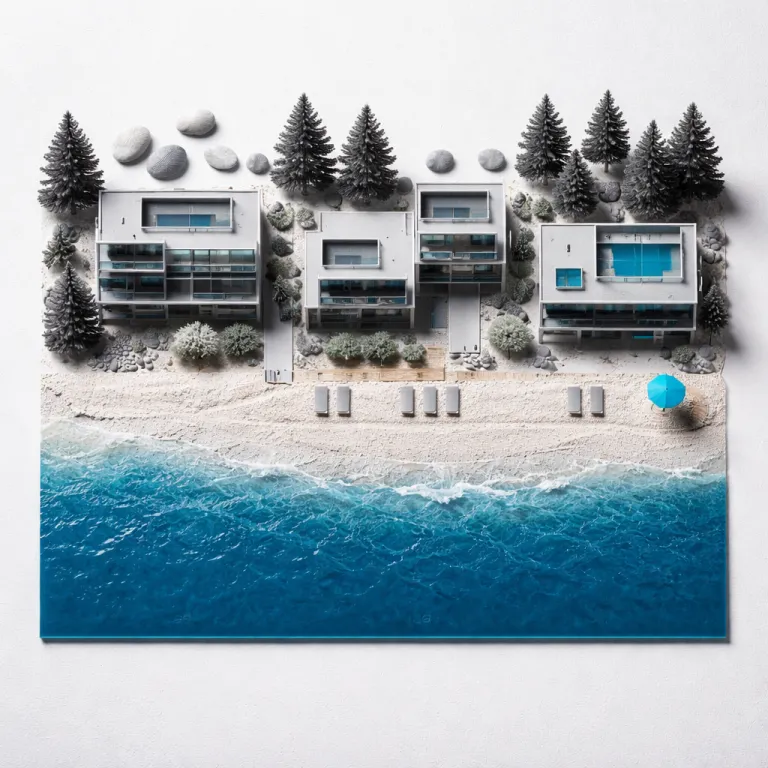
Why Germany’s Baltic Sea coast is a compelling hotel destination
Salt on the air, pale dunes, and long, measured waves: Germany’s Baltic Sea coast offers a quieter, more introspective seaside than the North Sea. For travelers considering a hotel along this stretch of sea, the first answer is simple. Yes, it is a very good choice, provided you value space, soft light, and a certain understated elegance over spectacle. The coastline from Lübeck Bay to the Polish border in Mecklenburg-Vorpommern and Western Pomerania is lined with historic seaside resorts, forest-backed beaches, and promenades that feel made for slow evenings.
Expect a hotel landscape that is surprisingly diverse. Grand 5 star hotel properties in former spa towns stand beside discreet, design-driven addresses and traditional family-run hotels. Many are located directly on the beach promenade or within a short walk of the sea coast, often with a clear view of the Baltic Sea from upper floors or terraces. The atmosphere is more about fresh air and long walks than nightlife, more about wellness rituals than beach clubs.
Before booking, it helps to understand the rhythm of the region. Summer fills the seaside resorts, especially in July and August, when the beach promenades in places like Binz on Rügen or Ahlbeck on Usedom become evening stages for strolling guests. Spring and autumn, by contrast, are ideal for travelers who want empty sands, national park hikes, and hotel restaurants that feel like quiet refuges. Winter has its own charm, but it suits those who enjoy wind, wool, and spa facilities more than sunbathing.
This coast suits travelers who appreciate detail. People who notice the curve of a historic colonnade in a pomerania seaside resort, or the way the light falls over reed-thatched houses in Fischland-Darß. If you are looking for a polished yet relaxed stay, with time for water sports, cycling, and long dinners, the hotels along Germany’s Baltic Sea are a strong contender.
Understanding the main regions: Mecklenburg, Western Pomerania, and the islands
Choice along the Baltic Sea in Germany starts with geography. Mecklenburg’s coast west of Rostock offers broad bays, family-friendly beaches, and easy access from major cities such as Berlin and Hamburg. Western Pomerania, stretching towards the Polish border, feels more remote, with long, pine-framed beaches and a slightly wilder character. Both regions share the same sea, but the mood differs. Mecklenburg Western shores are more developed, with a denser chain of seaside resorts and hotels; Western Pomerania feels more spacious, with larger protected areas and fewer city-scale distractions.
The islands are another story. Rügen, Germany’s largest island, is famous for its chalk cliffs and the classic seaside resort of Binz, where white villas line the beach promenade like a film set. Usedom, further east, is known for its “three imperial spas” and a continuous promenade that runs for more than 10 km, crossing the border into Świnoujście in Poland. Both islands offer a high concentration of hotels Baltic travelers will recognize from postcards: sea-facing facades, ornate balconies, and long piers stretching into the water.
On the Fischland-Darß-Zingst peninsula, the tone shifts again. Here, the sea meets Bodden lagoons and the Vorpommersche Boddenlandschaft National Park, creating a landscape of reed belts, bird sanctuaries, and wide, almost Nordic beaches. Hotels tend to be lower in height, often tucked behind dunes or along quiet streets like Dorfstraße in Born a. Darß. This is a stronghold for guests who prioritize nature, cycling paths, and a sense of retreat over classic spa-town bustle.
Each area has its trade-offs. Mecklenburg’s coast and Rügen offer more star hotel options, elaborate spa facilities, and hotel restaurants with ambitious cuisine, sometimes even a Michelin star. Western Pomerania and Darß-Zingst lean towards nature, national park access, and a calmer, more dispersed hotel scene. Deciding between them is less about quality and more about the balance you seek between culture, convenience, and solitude.
Seaside resorts and promenades: how atmospheres differ
Beach promenades define the Baltic Sea experience in Germany. In Binz, the promenade runs parallel to Kurstraße, framed by white villas and the iconic pier, with hotels facing directly onto the sea. Guests step out of the lobby and within seconds feel sand underfoot. The atmosphere is cultivated, almost theatrical in high season, with cafés, ice-cream parlors, and hotel terraces filling from late afternoon onwards. This is the Baltic at its most classic and popular, ideal for travelers who enjoy people-watching as much as sea views.
On Usedom, the promenade linking Heringsdorf, Ahlbeck, and Bansin offers a different rhythm. The architecture is still ornate, but the line of the coast is longer, more open. Here, many hotels are set one row back from the sea, separated by a narrow strip of parkland or a cycling path. The result is a slightly softer, more residential feel. Guests stroll or cycle between resorts, stopping for coffee or a swim, with the sea always in sight but not always at the doorstep.
Further west, in smaller seaside resorts along Mecklenburg Western shores, promenades can be more modest, sometimes just a paved path behind the dunes. In places like Kühlungsborn, the Ostseeallee runs parallel to the beach, lined with hotels, villas, and trees. The mood is relaxed, with enough infrastructure for comfort but without the density of a city. These locations suit travelers who want a clear view of the Baltic Sea and easy access to the beach, but who prefer a slightly less formal setting than the grand spa towns.
On the Fischland-Darß coast, promenades often give way to wooden walkways over dunes and forest paths leading to the sea. Hotels here may not all be located directly on the beach promenade, but the trade-off is a more intimate connection with nature. If your priority is the sound of the wind in the pines rather than the clink of glasses on a terrace, this is where the Baltic feels most elemental.
Hotel styles and star categories: what “luxury” means on the Baltic
Luxury on Germany’s Baltic Sea is less about ostentation and more about space, service, and a sense of place. A 5 star hotel in a historic seaside resort often occupies a grand building from the 19th or early 20th century, with high ceilings, wide staircases, and sea-facing salons. Rooms may offer a direct view of the Baltic Sea, balconies over the beach promenade, and generous spa areas with pools, saunas, and treatment rooms. The luxury here is the ability to move seamlessly from a morning swim to a refined dinner without ever feeling rushed.
Four star hotels along the coast can be an excellent compromise. Many are located within a short walk of the sea coast, some directly on the promenade, others one or two streets behind. They often provide well-equipped wellness areas, thoughtful hotel restaurant concepts, and rooms that balance comfort with a clean, contemporary aesthetic. For many guests, this category offers the best ratio between amenities and atmosphere, especially in popular resorts where the sea itself is the main attraction.
Three star hotels and smaller properties should not be dismissed. In quieter corners of Western Pomerania or on the Darß-Zingst peninsula, these accommodations Baltic travelers choose for their authenticity and proximity to nature. You might trade a vast spa for a simple sauna, or a panoramic sea view for a garden terrace, but gain a more personal, low-key experience. For active travelers focused on water sports, cycling, or hiking in nearby national park areas, this can be the most sensible choice.
When comparing hotels Baltic wide, pay attention to more than just the stars. Look at the age and style of the building, the layout of public spaces, and the positioning of the hotel within the resort. A 4 star hotel located directly on the beach promenade in a prime seaside resort can feel more luxurious in practice than a 5 star property set further inland without a sea view. On this coast, location is often the real luxury.
Rooms, views, and what “sea view” really means
Not all sea views are created equal along the Baltic Sea in Germany. In many resorts, only a portion of rooms face the water directly, while others look towards gardens, courtyards, or side streets. When a hotel describes a “sea view”, it can range from a full, unobstructed panorama to a lateral glimpse of the Baltic between two buildings. For travelers who care deeply about the view, this is the first detail to verify before confirming a stay.
Rooms located directly on the seafront, especially on upper floors, offer the most immersive experience. You wake to the sound of waves, watch the light shift over the water, and follow the slow movement of guests along the promenade below. These rooms are particularly sought after in places like Binz or along the Ostseeallee in Kühlungsborn, where the alignment of hotels and the curve of the coast create postcard-perfect perspectives. The trade-off can be a little more activity noise in high season, though the overall tone remains calm compared with Mediterranean resorts.
Side-facing or “partial sea view” rooms can be a smart compromise. Often located at the corners of buildings, they may offer diagonal views of the Baltic Sea while also looking over gardens or city streets. In some Western Pomerania resorts, a room facing inland can be just as appealing, with vistas of pine forests, thatched roofs, or the soft lights of the town at night. For travelers who plan to spend most of their time outdoors, the exact angle of the view may matter less than the overall comfort and layout of the room.
Interior details also deserve attention. On this coast, many hotels favor natural materials, muted colors, and large windows to frame the sea or surrounding landscape. Look for practical touches that enhance a seaside stay: generous storage for outdoor clothing, well-designed bathrooms for post-beach routines, and seating positioned to make the most of any available view. A thoughtfully arranged room can make even a short stay feel like a genuine retreat.
Wellness, gastronomy, and the art of lingering
Wellness is almost a given in many Baltic Sea hotels in Germany. Spa areas with pools, saunas, and treatment rooms are not limited to the highest star categories; they appear across much of the coastline, especially in established seaside resorts. After a day of wind and salt, guests move from the beach promenade to warm stone loungers, steam baths, or quiet relaxation rooms with a view of the sea or gardens. The climate, with its cool evenings and often brisk breezes, makes these facilities feel less like a luxury and more like an integral part of the stay.
Gastronomy follows a similar logic of understated quality. Many hotel restaurants focus on regional products: Baltic fish, local vegetables, and game from nearby forests. In some properties, the kitchen reaches a level that attracts external diners, occasionally recognized with a Michelin star or other distinctions. The best experiences tend to be those where the menu reflects the immediate surroundings, whether that means freshly caught fish in a pomerania seaside village or refined tasting menus in a grand Mecklenburg spa town.
Breakfast is another quiet highlight. Large buffets with a view of the Baltic Sea, freshly baked bread, and local dairy products set the tone for the day. Guests linger over coffee while watching the light over the water, deciding between a walk along the sea coast, a bike ride into the hinterland, or a session in the spa. The rhythm is unhurried, even in popular resorts, and the hotel becomes less a place to sleep than a base for a series of small, well-paced rituals.
For travelers who value this art of lingering, it is worth checking how a hotel structures its public spaces. Lounges with large windows, terraces sheltered from the wind, and bars that feel intimate rather than loud all contribute to the sense of a coherent stay. On the Baltic, the most memorable hotels are those where wellness, gastronomy, and architecture align to frame the sea rather than compete with it.
Nature, national parks, and active stays by the sea
Beyond the hotel walls, the Baltic Sea coast in Germany is a serious playground for outdoor enthusiasts. The combination of long, gently sloping beaches, coastal forests, and protected areas makes it ideal for guests who want more than just a deckchair. Water sports are widely available in many resorts: stand-up paddling on calm mornings, sailing in sheltered bays, or kitesurfing where the wind allows. The sea here is generally less dramatic than the North Sea, which suits beginners and families, though conditions can still change quickly.
National parks and nature reserves add another layer. On the Fischland-Darß-Zingst peninsula, the Vorpommersche Boddenlandschaft National Park offers a mosaic of lagoons, reed belts, and bird habitats. Trails lead from villages like Prerow through pine forests to wide, almost untouched beaches, where the nearest hotel feels pleasantly distant. On Rügen, the Jasmund National Park with its chalk cliffs lies within reach of several seaside resorts, allowing guests to combine a classic hotel Baltic stay with serious hiking and dramatic viewpoints.
Cycling is one of the most rewarding ways to explore the region. The Baltic Sea Cycle Route (Ostseeküsten-Radweg) runs for hundreds of kilometres, often close to the water, linking city harbours, fishing villages, and major seaside resorts. Many hotels cater to this, offering secure storage for bikes and practical facilities for active guests. For travelers who like to alternate between movement and rest, this infrastructure makes it easy to plan day trips without sacrificing comfort.
Choosing a location hotel with direct or easy access to these natural assets can transform the experience. A property set just behind the dunes in Western Pomerania, for example, allows spontaneous sunrise walks, while a hotel near a harbour offers quick access to boat excursions. If your idea of luxury includes empty morning beaches, migratory birds at dusk, or the quiet of a forest path, prioritise proximity to national park areas and less built-up stretches of coast over the most central promenade addresses.
How to choose the right Baltic Sea hotel for your travel profile
Decision-making along Germany’s Baltic Sea coast starts with your own priorities. If you are drawn to classic seaside resort life, with elegant architecture, a lively beach promenade, and a wide choice of hotels, places like Binz on Rügen or the imperial spas on Usedom are logical choices. Here, you will find multiple star hotel options, from discreet luxury to comfortable mid-range, often with sea-facing rooms and extensive wellness areas. The trade-off is a more popular, sometimes busier atmosphere in peak season.
Travelers seeking a quieter, more nature-focused stay might look instead to Fischland-Darß-Zingst or smaller Western Pomerania resorts. Hotels in these areas may be slightly more dispersed, sometimes set back from the immediate sea coast, but they compensate with direct access to forests, lagoons, and less crowded beaches. This suits guests who value early-morning solitude, birdwatching, or long cycling tours over evening promenade life. The luxury here is measured in silence and horizon, not in chandeliers.
Urban-oriented travelers have yet another option. Coastal cities such as Rostock or Stralsund offer hotels that combine proximity to the Baltic Sea with a more pronounced city culture: museums, historic centres, and harbour life. While these hotels may not always be located directly on a beach promenade, they provide a different kind of view – ship masts, brick gables, and the daily rhythm of port activity. For short stays or mixed business-leisure trips, this balance can be ideal.
Before booking, verify a few key points: the exact location hotel within the resort, the type of sea view offered, the scale and style of wellness facilities, and the character of the hotel restaurant. Consider how you plan to use your time – long days on the sand, active excursions, or slow, contemplative stays – and choose accordingly. On the Baltic Sea in Germany, the right match between traveler profile and hotel setting is what turns a pleasant trip into a quietly memorable one.
Key figures about selected Baltic Sea hotels in Germany
- One of the historic grand hotels on the Baltic Sea coast offers around 200 rooms, illustrating the scale of traditional seaside resort properties in Germany.
- A smaller, design-focused hotel near the sea in Mecklenburg-Vorpommern may have around 26 rooms, reflecting the growing demand for more intimate accommodations Baltic travelers increasingly seek.
- An elegant coastal hotel in the wider Baltic region can feature approximately 81 rooms, a size that often balances comprehensive facilities with a still-personal atmosphere for guests.
Traveler questions about Baltic Sea hotels in Germany
What is the oldest seaside resort in Germany?
The oldest seaside resort in Germany is located on the Baltic Sea coast and dates back to the late 18th century. It established the model for many later spa towns, with grand architecture, formal promenades, and a focus on sea bathing as a health treatment. Today, staying in this resort means experiencing a piece of living history, where traditional colonnades and historic villas coexist with contemporary wellness facilities and refined hotel restaurants.
Are there adults-only hotels along the Baltic Sea?
Yes, there are adults-only hotels along the Baltic Sea in Germany, particularly in established seaside resorts. These properties focus on a quieter, more contemplative atmosphere, often with extensive spa areas, calm lounges, and hotel restaurants geared towards long, unhurried dinners. They suit couples or solo travelers who prioritise rest, wellness, and a refined environment over family-oriented facilities and activities.
Do Baltic Sea hotels offer wellness facilities?
Many hotels on Germany’s Baltic Sea coast offer substantial wellness facilities. Even outside the top star categories, it is common to find pools, saunas, and treatment rooms integrated into the hotel. In classic seaside resorts and near national park areas, wellness concepts often draw on the local climate, using sea air, salt, and regional products. For guests, this means that a stay by the Baltic Sea can easily combine beach time, active excursions, and structured relaxation without leaving the property.