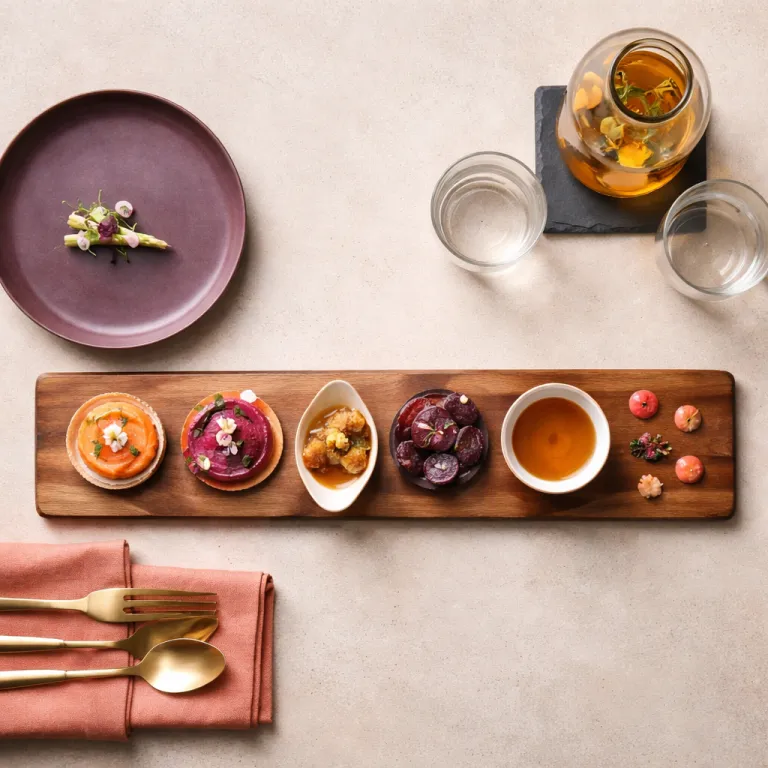
When the kitchen leads the stay in gastro-hotels Germany dining
A true gastro-hotel in Germany is a place where the restaurant dictates everything from the architecture to the pace of your night. The rooms and the spa are important, yet the kitchen, the wine cellar and the breakfast table define why couples check dates, compare offers and finally book. In the best gastro-hotels in Germany, you feel that every room, every corridor and every design detail quietly serves the plate and the glass in front of you.
This is very different from hotels in Germany that simply happen to host good dining restaurants on site. In a genuine gastro-hotel, the chef is often the public face of the property, and the hotel restaurant shapes the identity of the wider community and city around it. You notice it when you check availability and see that restaurant reservations are treated with the same care as rooms, sometimes even more, with prime tables gone several weeks in advance during peak seasons or special events.
Across hotels Germany wide, from Berlin to Munich and the Black Forest, this new generation of properties treats gastronomy as the main experience rather than an add on. The best luxury hotels now design their rooms around pre and post dinner rituals, from generous minibars to thoughtful lighting that flatters late night returns. For couples planning a romantic weekend in Germany, the smartest move is to choose the restaurant first, then the room and spa that frame the stay, using our other guides on romantic city breaks and design hotels as a planning companion.
Christian Jürgens and the Überfahrt model for lakeside fine dining
On Lake Tegernsee, Christian Jürgens at Althoff Seehotel Überfahrt has become the reference point for German gastro-hotels at the highest level. His three Michelin star restaurant is the gravitational centre of the hotel, with five distinct dining venues on site that turn a single night into a multi day culinary itinerary. Here, couples often check dates around the chef’s table schedule, then view availability for rooms only once the tasting menu is secured, with weekend dinners commonly booked out a month ahead according to the hotel’s own reservation guidance.
This lakeside hotel shows how a serious kitchen can reshape an entire property in Germany. The design of public spaces, from the bar to the spa, supports the rhythm of long lunches, extended wine pairings and late breakfasts the next morning. Jürgens has described his approach as “cooking landscapes on the plate,” and menus might feature Tegernsee char, Alpine herbs or venison with local berries. It is a model increasingly echoed by Hommage Hotels, whose luxury hotels with gourmet restaurants, including two Michelin-starred establishments as of the latest Michelin Guide, prove that hotels Germany wide can compete with stand alone city temples of fine dining.
In Munich Germany, the legendary Bayerischer Hof illustrates a different but related approach, where a collection of hotel restaurants and bars creates a vertical food city under one roof. Guests might check availability for a room with a specific view over the city, then move between a Michelin starred dining room, a relaxed hof style brasserie and a rooftop bar without leaving the hotel. One regular guest described it as “spending a weekend in a tiny culinary district without ever crossing the street.” For travellers who care more about plate than pillow, this is Germany perfect hospitality, and our guide to Germany’s Bauhaus inspired design hotel addresses how architecture can further elevate such experiences in Berlin Germany and beyond, from lobby layouts to rooftop terraces.
From Black Forest to Allgäu: farm to table hotel restaurants with a view
Rural gastro-hotels in Germany are where the farm to table idea feels least like a slogan and most like a daily routine. In the Black Forest, properties such as SCHWARZWALD PANORAMA in Bad Herrenalb pair certified organic cuisine with sustainable design, proving that a hotel spa and a serious kitchen can share the same ethical backbone. Here, couples wake to a forest Germany view, then move from breakfast to hiking trails to long dinners that showcase the region’s mushrooms, game and berries, often priced in the estimated €60–€90 range for multi course menus.
Romantik- & Wellnesshotel Deimann in the Sauerland region pushes this further with its Michelin-starred Hofstube Deimann, where French technique meets Westphalian produce. The hof setting underlines how a hotel restaurant can remain deeply rooted in its community while still attracting international guests who check dates months ahead. When you check availability here, you are effectively booking a seat at the table first and a room second, because the Michelin starred experience is the real anchor, with tasting menus typically requiring advance reservations for Friday and Saturday nights according to recent guest reports.
Further south in Lower Bavaria, Zum Koch Hotel & Restaurant shows how a family run hotel can turn regional cuisine into a reason to stay the night rather than drive home. Couples arrive for the restaurant, then extend their visit once they view availability for cosy rooms and a compact spa that suits a quiet weekend. Expect hearty Bavarian classics such as roast pork with dumplings alongside lighter seasonal dishes. For those planning a wider wellness focused itinerary across hotels Germany wide, our guide to luxury spa lodges in Germany for refined wellness escapes helps you align serious kitchens with equally serious saunas and thermal facilities.
Wine led stays in Rheingau, Mosel and Pfalz gastro-hotels
In Germany’s classic wine regions, the most interesting gastro-hotels in Germany are built around the cellar rather than the spa. Along the Rheingau and Mosel, many hotel restaurants function as extensions of nearby estates, where the sommelier’s relationships with winemakers shape the list as much as vintage charts do. Couples often check dates to coincide with harvest, then view availability for rooms that overlook steep vineyards rather than the city skyline, timing their stay for late September or early October when Riesling picking is in full swing.
These wine focused hotels Germany wide tend to keep room counts low, which means availability can be tight during peak seasons. The reward is an intimacy that suits romantic travel, with tasting menus calibrated to specific vineyard parcels and late night glasses poured in quiet lounges. A typical food and wine pairing menu might run between an estimated €120 and €200 per person, depending on region and number of courses. When a hotel positions wine at the centre, you feel it in the pacing of service, the design of the bar and even the breakfast, where thoughtful pairings with local juices and breads hint at the kitchen’s ambitions.
For urban travellers, similar wine driven thinking now appears in selected properties in Berlin Germany, Munich Germany and Hamburg Germany, where serious cellars rival those of countryside estates. A design hotel in these cities might use natural materials and soft lighting to echo the calm of forest Germany landscapes, while still offering the energy of a major city outside the lobby. If you are planning a broader European journey that balances remote vineyards with cultural capitals, our essential companion travel guide shows how to stitch these stays together without sacrificing depth of experience, from train connections to seasonal event calendars.
How to book gastro-hotels where dining is truly central
For couples using mygermanystay.com to navigate gastro-hotels in Germany, the first step is to read the property through its plate rather than its pool. Look at how many dining restaurants the hotel operates, whether the chef is named prominently and how seriously breakfast is described in the room information. The breakfast test matters because a hotel that treats morning service as an afterthought rarely delivers a transformative Michelin star dinner at night, and detailed buffet descriptions are often a positive sign.
When you check availability, pay attention to whether restaurant reservations are integrated into the booking flow or treated as a separate, manual step. A hotel that prompts you to secure a table while you select your room, view rates and confirm dates is signalling that the kitchen is central to the stay. By contrast, if the restaurant barely appears during booking, you are likely dealing with a hotel where dining is pleasant but not the main reason to travel across Germany, and last minute tables may be easier to find even on busy weekends.
Price is another quiet indicator, and the best price is not always the lowest when you are chasing flavour. A serious gastro-hotel in Berlin, Munich or the Black Forest will often bundle tasting menus, wine pairings and late check out into curated packages that make a multi night stay feel seamless. Before you finally discover hotel options that suit your style, remember this guidance from the German hospitality field itself: “A hotel that emphasizes high-quality dining experiences alongside accommodations.” and “Are reservations required for hotel restaurants in Germany?” “Yes, especially for popular or Michelin-starred establishments.” and “Do German hotel restaurants accommodate dietary restrictions?” “Many offer vegetarian, vegan, and gluten-free options; inquire in advance.” These principles are echoed in official tourism portals and Michelin’s own recommendations, though individual policies and prices always depend on the specific property and season.
FAQ
What defines a gastro-hotel compared with a classic luxury hotel?
A gastro-hotel is a hotel where the restaurant, bar and breakfast offering are the primary reasons to stay rather than secondary amenities. The chef, the wine program and the sourcing philosophy shape everything from design to staffing. In a classic luxury hotel, dining can be excellent, yet it rarely dictates the entire concept or the way guests plan their stay.
How far in advance should I book Michelin starred hotel restaurants in Germany?
For Michelin starred hotel restaurants in Germany, aim to reserve at least several weeks ahead, especially for weekends. In smaller properties with limited rooms and seats, planning months in advance is sensible. Always secure the restaurant booking before committing to non refundable room rates, and check cancellation policies carefully on the hotel’s own site or on the Michelin Guide platform.
Do German hotel restaurants cater well to vegetarian or gluten free diets?
Most serious hotel restaurants in Germany now handle vegetarian, vegan and gluten free diets with confidence. Gastro-hotels that focus on farm to table cooking are particularly strong, because they already work closely with producers. Inform the hotel of your requirements when you check availability so the kitchen can plan properly, and ask for sample menus if you are unsure about options.
Is it worth staying the night if I only want the restaurant experience?
Staying the night often transforms a good dinner into a complete experience, especially in rural regions such as the Black Forest or the Mosel. You can enjoy wine pairings without worrying about driving and wake to a thoughtful breakfast that extends the story of the kitchen. For couples, the combination of room, spa and restaurant usually justifies the extra cost, particularly when special packages include late checkout.
How can I tell from a website whether dining is central or an afterthought?
Look for detailed menus, chef profiles, strong breakfast descriptions and integrated restaurant booking when you check dates and view room options. If the hotel highlights awards, regional sourcing and wine partnerships as prominently as spa facilities, dining is likely central. Sparse information and generic photos usually signal that the restaurant is simply a convenience for guests, rather than the heart of the experience.