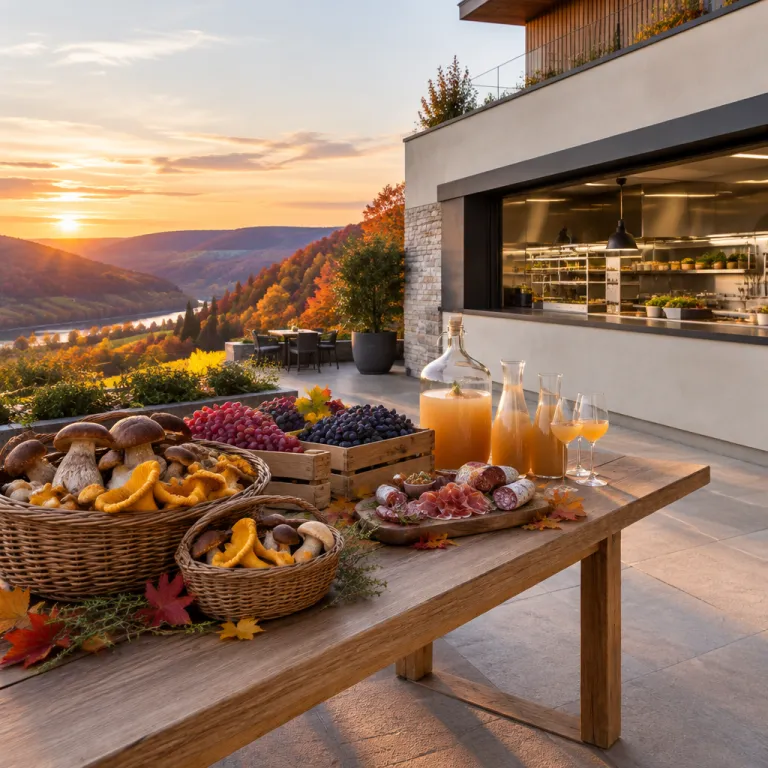
The autumn larder that defines german hotel dining
Autumn cuisine in hotel restaurants in Germany begins in the forest. In luxury properties from the Black Forest to the Bavarian Alps, the chef plans the first seasonal menu around venison, wild boar and the precise time when the first Pfifferlinge appear. Couples planning a wonderful trip for two will find that this is when german cuisine feels both deeply rooted and quietly inventive.
Across Germany, serious hotel restaurants treat the autumn larder as a narrative rather than a theme night. You might start in a wood paneled dining room with a clear game consommé, then move to a main course of saddle of venison with Steinpilze, before finishing with plum compote and house churned ice cream. This is where the phrase “autumn cuisine hotel restaurants Germany” stops sounding like a search term and becomes a lived, fragrant sequence of plates.
Game is only one chapter in this seasonal cuisine. Luxury hotel kitchens in Germany work with regional hunters who will call at dawn when a particularly fine wild boar has been brought in, and the star restaurant on property adjusts its menu before breakfast service. In parallel, foragers arrive with baskets of mushrooms, and the german food on your plate reflects a supply chain that is still personal rather than industrial.
Mushrooms define the texture of autumn dining in many star restaurants. Pfifferlinge are sautéed simply with butter and herbs in some restaurants, while in others they anchor a fine dining plate with classic jus and a nod to classic French technique. When you book through a curated luxury platform such as mygermanystay.com, you will find that the best autumn cuisine hotel restaurants in Germany are those where the chef can tell you exactly which hillside the Steinpilze came from.
For couples used to international travel, the specificity of traditional German autumn food can be a surprise. Zwiebelkuchen, the onion tart that appears in many german wine regions, moves from village bakery to hotel dining room with almost no translation, often paired with Federweisser, the cloudy new wine. This is not staged folklore ; it is the way german cuisine has always marked the shift from late summer to the colder months.
Wine country tables, new wine and the rhythm of harvest
Head into the wine regions and autumn cuisine hotel restaurants in Germany take on a different cadence. In the Rheingau, Mosel and Franconia, the menu in a luxury hotel restaurant is often written around the harvest calendar, and the dining experience changes week by week as grapes move from vine to cellar. Couples who time their travel for this period will find that the most memorable german food is often served in the quiet between picking days.
Federweisser, the lightly fermented new wine, is the anchor of this season. In many restaurants across Germany, it is poured alongside Zwiebelkuchen as a kind of informal first main course, blurring the line between snack and serious cuisine. For a deeper look at properties where the kitchen is the reason you book, our guide to German gastro hotels maps out star restaurants that treat harvest as their true high season.
In these regions, autumn cuisine hotel restaurants in Germany often balance traditional German dishes with classic French technique. A chef might send out a plate of local river fish with Riesling sauce as a nod to fine dining, then follow with roast pork and sauerkraut that feel resolutely like german cuisine. The best starred restaurants understand that luxury here is not about excess, but about serving the right grape, from the right slope, at the right time.
Wine country hotel restaurants in Germany also show how to avoid seasonal kitsch. Rather than decorating the dining room with pumpkins, they let Kürbis appear as a silky soup, perhaps finished with pumpkin seed oil and paired with a dry Silvaner, turning a humble ingredient into a michelin star level gesture. This is where autumn cuisine hotel restaurants in Germany quietly rival more famous urban star restaurants.
For couples planning a wonderful trip, the key is to read the harvest signals. When Federweisser appears on the menu, when the chef talks about the last sunny week on the slopes, you know you are tasting german cuisine in real time. In these moments, a simple plate of onion tart and new wine can feel as luxurious as a three course fine dining sequence in a capital city restaurant.
Game, Martinsgans and the quiet theatre of the dining room
By late autumn, game and goose take centre stage in many hotel restaurants in Germany. The period around St Martin’s Day is when Martinsgans, the traditional roast goose, becomes a reason to book a star restaurant in advance, especially for couples planning a romantic weekend. In the right dining room, the arrival of the goose feels like theatre, but the food remains grounded in traditional German ritual.
Autumn cuisine hotel restaurants in Germany handle Martinsgans with a precision that separates luxury from nostalgia. A serious chef will source geese from small farms, dry age them carefully and serve them with red cabbage, dumplings and a jus that reflects both classic French technique and german cuisine heritage. When done well, this single main course can be as memorable as a three star tasting menu, especially when paired with a mature Spätburgunder.
Game dishes follow a similar logic. In the Alps and forest regions of Germany, hotel restaurants work with hunters who have supplied them for years ago and continue to do so, creating a trust that shows on the plate. Venison, wild boar and sometimes hare appear in star restaurants as part of structured fine dining sequences, but the flavours remain recognisably german food rather than anonymous luxury.
Wellness focused couples often combine this rich dining with spa weekends. Properties that feature in our guide to spa weekends in Germany increasingly understand that a thoughtful autumn menu can coexist with lighter options and a carefully curated german breakfast. The point is not to avoid indulgence, but to frame a goose dinner or game main course within a stay that also offers walks, saunas and time to reset.
In these settings, autumn cuisine hotel restaurants in Germany show how to stage seasonal drama without slipping into cliché. Candles, linen and a quiet dining room are enough ; there is no need for theatrical props when the goose is carved at the table and the jus is poured with care. Couples who appreciate understatement will find that this is where german cuisine feels most confident and most intimate.
Michelin stars, Schloss Bensberg and the art of seasonal luxury
Autumn is also when the most ambitious hotel restaurants in Germany sharpen their focus. Properties with Michelin stars understand that this is the season when local produce can genuinely support a three Michelin level narrative, rather than relying on flown in luxury ingredients. For couples who care about fine dining, this is the moment when a star restaurant can justify a detour or even anchor an entire wonderful trip.
Take Vendôme at Schloss Bensberg, one of the most influential starred restaurants in Germany. Housed within a grand hotel above Cologne, this restaurant has held multiple Michelin stars and helped define how german cuisine can sit comfortably alongside classic French technique. In autumn, the chef uses game, mushrooms and regional vegetables to build a menu that feels both cerebral and deeply rooted in local food culture.
At this level, autumn cuisine hotel restaurants in Germany are not chasing trends. A three star or three Michelin property will often present a restrained dining room, letting the plates carry the drama while service remains calm and precise. You might move from a delicate mushroom course to a game main course, then finish with a dessert that pairs orchard fruit with house made ice cream, each step calibrated to the season.
Couples sometimes worry that Michelin star experiences will feel stiff or overly formal. In practice, many of the best autumn cuisine hotel restaurants in Germany balance rigour with warmth, offering a relaxed german breakfast the next morning that quietly references the previous night’s dining through house baked bread or seasonal jams. This continuity between breakfast and dinner is one of the subtle pleasures of staying in a serious gastro focused hotel.
For travellers used to long haul travel and premium cabins, the attention to detail in these star restaurants will feel familiar. Our review of Singapore Airlines Business Class for German luxury travellers explores a similar mindset, where every touchpoint is considered. Applied to german food, this philosophy turns an autumn weekend into a coherent, quietly luxurious sequence of experiences.
How to eat autumn well in german hotel restaurants
Knowing where to book is only half the story ; knowing how to order completes the experience. Autumn cuisine hotel restaurants in Germany reward couples who read the menu closely, ask about provenance and trust the chef when a particular game dish is recommended. This is the season when you will find that the most memorable food is often the least showy.
Start by anchoring one dinner around game, one around mushrooms and one around regional comfort dishes. In a serious restaurant, that might mean a venison main course one night, a Pfifferling focused plate the next and a quietly perfect Zwiebelkuchen with Federweisser on your final evening. Across these meals, you experience autumn cuisine hotel restaurants in Germany as a sequence rather than a single blowout.
Balance is crucial, especially for couples combining dining with spa time or outdoor walks. A rich Martinsgans dinner sits more comfortably in a stay that also includes a lighter german breakfast, perhaps built around rye bread, local cheeses and seasonal fruit rather than a heavy buffet. Many of the best restaurants in Germany now understand that luxury travellers want both indulgence and clarity in the same weekend.
It also helps to think beyond the obvious star restaurants. Some of the most satisfying autumn cuisine hotel restaurants in Germany are one star or even non starred restaurants where the guide recognition matters less than the relationship with hunters, foragers and growers. In these places, german cuisine feels less like a performance and more like a conversation with the landscape.
For couples planning their next wonderful trip, the final advice is simple. Choose restaurants in Germany where the season dictates the plate, where the dining room feels calm and where the chef can talk about game, mushrooms and new wine without resorting to clichés. Do that, and autumn cuisine hotel restaurants in Germany become not just a backdrop to your stay, but the reason you return.
FAQ about autumn cuisine in german hotel restaurants
When is the best time to experience autumn cuisine in german hotel restaurants?
The most rewarding period for autumn cuisine hotel restaurants in Germany runs from early September through late November. Mushrooms and early game appear first, followed by Federweisser and Zwiebelkuchen during the wine harvest, and finally Martinsgans and richer game dishes toward late autumn. Booking midweek during this window often gives you more flexibility for reservations in popular star restaurants.
Which regions in Germany are best for autumn game and mushrooms?
The Black Forest, the Bavarian Alps and parts of Hesse and Thuringia are particularly strong for game focused hotel restaurants in Germany. Wine regions such as the Rheingau, Mosel and Franconia excel at pairing mushrooms and regional dishes with local wines during harvest. For couples, combining a spa hotel with access to forests or vineyards offers the best balance of dining and landscape.
Do I need to book michelin starred hotel restaurants far in advance in autumn?
For Michelin starred hotel restaurants in Germany, advance booking is strongly recommended in autumn, especially around weekends and public holidays. Properties with two or three Michelin stars, such as Vendôme at Schloss Bensberg, can fill up weeks ahead when game and Martinsgans are on the menu. If your dates are fixed, contact the hotel as early as possible and be flexible with early or late seating times.
Can autumn cuisine in german hotel restaurants work for lighter eaters?
Yes, many serious hotel restaurants in Germany now balance rich game and goose dishes with lighter options built around vegetables, fish and grains. You can often choose a smaller tasting menu, share a main course or focus on starters and desserts while still experiencing the essence of autumn cuisine. Communicating your preferences when booking helps the kitchen plan a sequence that suits your appetite.
How does german breakfast fit into an autumn focused hotel stay?
A thoughtful german breakfast is an important counterpoint to rich autumn dinners in hotel restaurants in Germany. The best properties offer high quality bread, local dairy, seasonal fruit and perhaps a few warm dishes, allowing you to start the day well without overloading. This balance lets couples enjoy game, mushrooms and Martinsgans in the evening while still feeling energised for walks, spa time or city exploration.