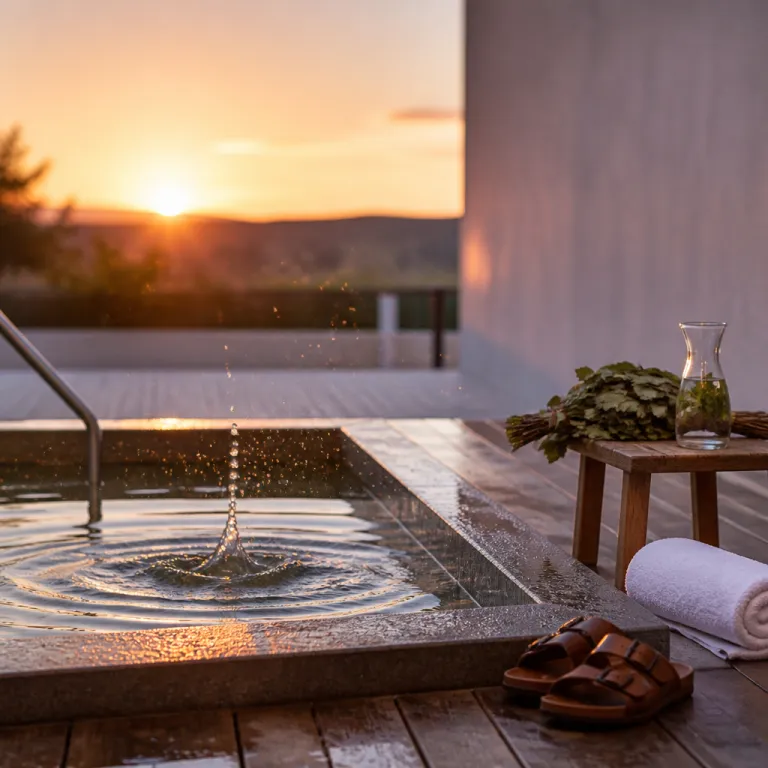
Kneipp therapy hotels in Germany: a quiet alternative to high-tech wellness
From monastic water therapy to modern German wellness stays
Kneipp therapy hotels in Germany bring a quietly radical idea to luxury wellness. Instead of chasing performance metrics or high-tech biohacking, these German properties return to the 19th-century wisdom of priest and naturopath Sebastian Kneipp and his five pillars of water, medicinal plants, exercise, nutrition and balance. The result is a style of wellness that feels less like a performance and more like a long exhale, especially for solo travellers who want space to reset their nervous system.
At its core, Kneipp therapy is a structured form of hydrotherapy that uses cold water applications, contrast baths and water treading rituals to stimulate circulation and support the immune system. Around this, leading hotels build full spa facilities with Kneipp treatments, herbal compresses, barefoot paths and treading pools that turn simple elements like water and stone into a healing therapy. When you book a health resort stay through a curated platform such as mygermanystay.com, you are not just reserving a hotel room; you are choosing a philosophy of natural healing that has shaped German spa culture for generations.
Many people first encounter Kneipp health concepts through a single cold water foot bath or a short treading water session in a city spa. In dedicated Kneipp spa resorts, however, the approach becomes a complete wellness framework, from the way you move through the spa park to the herbal teas poured after each treatment. This is where the phrase Kneipp therapy hotels Germany wellness often used in online searches stops being a string of words and becomes a lived experience, anchored in daily rituals that feel both monastic and quietly luxurious.
Bad Wörishofen: the Kneipp capital reimagined for luxury travellers
Bad Wörishofen in the Allgäu is where Sebastian Kneipp refined his water therapy, and the town still feels like a living textbook of German spa culture. Today, luxury-minded travellers find a cluster of health spa properties here, from the quietly traditional KurOase im Kloster to Hotel Edelweiss, both offering original Kneipp treatments in settings that balance monastic calm with contemporary comfort. These hotels show how a historic health resort can speak directly to modern wellness trends that prioritise nervous system regulation over spectacle.
Walk through the spa park in Bad Wörishofen and you move between cold water treading pools, barefoot paths, herb gardens and shaded benches designed for slow breathing. Dedicated Kneipp spa facilities here offer structured water treading sessions, guided walks on the barefoot path and personalised Kneipp treatments that combine water therapy with medicinal plants and gentle exercise. For solo guests, the rhythm of a day might move from early morning cold water treading to a late afternoon herbal bath, with long pauses in the park for reading or simply watching people drift between treatments.
Hotel Edelweiss and KurOase im Kloster both build their wellness menus around authentic Kneipp health principles rather than generic spa trends. A typical package might include several water therapy sessions, consultations on nutrition and lifestyle, and access to the wider Bad Wörishofen health resort infrastructure, including public treading pools and the landscaped spa park. For travellers already interested in longevity-focused stays, this is a gentler, more grounded alternative to high-tech clinics, and it pairs naturally with a broader itinerary of longevity hotels in Germany that are built around living better rather than simply living longer.
Beyond the Allgäu: where Kneipp elements meet contemporary design
The Kneipp revival is no longer confined to Bad Wörishofen or other officially designated Kneipp spa towns. Across Germany, design-forward hotels and discreet resorts are weaving Kneipp therapy elements into broader wellness concepts, often without turning the entire property into a medicalised health resort. You see it in the way a spa adds a dedicated cold water plunge for water treading, or in how a city hotel creates a small barefoot path and herb garden as a quiet counterpoint to urban intensity.
In the Black Forest and along the Bavarian Alps, several luxury spa resorts now feature Kneipp water therapy circuits alongside saunas, steam rooms and relaxation lounges. Guests move from hot cabins into cold water basins designed for treading water, then along outdoor barefoot paths that stimulate the feet and, by extension, the whole nervous system. These facilities rarely shout about Kneipp treatments in neon letters; instead, they fold water therapy, medicinal plants and natural healing into a wider narrative of forest bathing, mineral water rituals and slow movement.
Even cultural city breaks can now include a Kneipp health dimension, especially if you choose hotels that sit near historic spa parks or riverside walking paths. A stay in a grand hotel near Heidelberg, for example, can pair evenings at the Heidelberg Castle Festival with mornings spent on simple Kneipp-inspired water treading in the hotel spa. When you plan with a platform like mygermanystay.com, it becomes easier to combine cultural itineraries with targeted Kneipp-focused wellness experiences in Germany, especially in lesser-known spa towns that still maintain traditional facilities.
Why Kneipp fits the new era of nervous system focused wellness
Global wellness tourism is shifting away from performance-driven optimisation and toward practices that calm the nervous system, and Kneipp therapy sits squarely in this new landscape. The alternation of warm and cold water in Kneipp water therapy stimulates circulation while encouraging a parasympathetic response, which many guests describe as a grounded, clear-headed state rather than a post-spa haze. When combined with slow walking on a barefoot path, gentle exercise in a spa park and herbal infusions made from medicinal plants, the effect is less about instant transformation and more about steady, sustainable healing.
Unlike high-tech biohacking suites, Kneipp spa facilities rely on simple materials used with precision: stone basins for treading water, wooden troughs for arm baths, open-air treading pools fed by natural water sources. This minimalism aligns with a broader German wellness tradition that values natural healing and practical health outcomes over spectacle, which is why many people return to the same health resort year after year. For solo travellers, the predictability of these rituals can be deeply reassuring, especially when life at home feels dominated by screens, alerts and constant decision making.
There is also a cultural depth to Kneipp health that many guests find quietly compelling, particularly in places like Bad Wörishofen where Sebastian Kneipp lived and worked. When a hotel team explains the answer to “What is Kneipp therapy?” as “A holistic treatment involving water therapy, exercise, nutrition, herbal medicine, and lifestyle changes,” they are not reciting a marketing line; they are summarising a practice that has been included in Germany’s nationwide inventory of intangible cultural heritage since 2015, as documented by the German Commission for UNESCO. In an era when wellness can feel like a globalised aesthetic, specialist Kneipp spa hotels in Germany offer something rooted, specific and proudly German, yet surprisingly relevant to international travellers seeking nervous system repair.
A solo day inside a Kneipp focused German spa hotel
Arrive at a dedicated Kneipp hotel in Bad Wörishofen or another German spa town and the first impression is often the quiet, not the architecture. Check-in usually includes a short health consultation where a therapist maps out your water therapy sessions, Kneipp treatments and time in the spa park according to your energy levels and any specific health concerns. For solo guests, this structure removes decision fatigue, leaving you free to move through the day with a kind of curated ease.
Mornings often begin with treading water in a cold water basin for around five to ten minutes, followed by a warm herbal foot bath that uses medicinal plants from the hotel garden or nearby fields. After breakfast, you might walk a barefoot path laid out in different textures, then rest on a lounger overlooking the park while your feet and immune system quietly respond to the alternating stimuli. Later, a therapist could guide you through targeted water therapy, perhaps alternating arm baths and leg affusions, before suggesting a simple exercise session or a slow walk through the surrounding natural landscape.
Afternoons tend to be softer, with time for reading, journaling or simply watching people move between treading pools and health spa facilities. Many Kneipp-focused wellness hotels in Germany encourage guests to limit digital use, which makes the rhythm of treatments, meals and park walks feel almost monastic in their regularity. If you are planning a longer itinerary across the country, this kind of stay pairs well with quieter destinations highlighted in guides to underrated German cities for a luxury stay, where you can maintain small Kneipp rituals even after leaving the dedicated health resort environment.
How to choose and book Kneipp therapy hotels in Germany
Selecting the right Kneipp-focused hotel in Germany begins with clarity about your wellness priorities. If you want a medically oriented health resort experience, look for properties in Bad Wörishofen that offer structured Kneipp treatments, on-site health professionals and access to public spa park facilities. Travellers who prefer a lighter touch can opt for design-driven hotels that integrate elements such as cold water treading pools, barefoot paths and herbal baths into a broader spa menu.
From a practical perspective, booking Kneipp therapy hotels Germany wellness stays works best when you reserve treatments in advance, especially during peak seasons like late spring and early autumn. Many hotels offer packages that bundle accommodation, water therapy sessions, access to treading pools and guided walks through natural surroundings, which can be more cost effective than booking à la carte. As a rough guide, individual Kneipp applications such as a 20-minute leg affusion or a 30-minute herbal bath often start around the price of a standard massage and rise for longer, doctor-supervised programmes.
Language is rarely a barrier, as most German spa hotels have English-speaking staff, particularly in reception and treatment areas. When comparing options on a platform like mygermanystay.com, pay attention to how clearly each hotel explains its Kneipp health philosophy, the range of water therapy and medicinal plant-based treatments, and the design of its spa park or outdoor facilities. The most rewarding stays tend to be those where the Kneipp elements are not an add-on, but a coherent thread running from the treading pools and cold water basins to the kitchen, the daily schedule and even the way staff talk about rest, balance and long-term wellness.
Key figures behind the Kneipp revival in German hotels
- Germany currently counts more than 50 recognised Kneipp hotels and health resorts, according to the Kneipp-Bund e.V. (Kneipp Association), which indicates a substantial national infrastructure for Kneipp-based wellness stays. Exact numbers can change as new properties are certified; consult the association’s official list for the latest figures.
- Kneipp therapy was added to Germany’s nationwide inventory of intangible cultural heritage in 2015, a recognition that has encouraged German spa towns and hotels to reinvest in authentic Kneipp treatments and facilities.
- Bad Wörishofen remains the most significant Kneipp health resort in Germany, with multiple hotels, public treading pools and an extensive spa park dedicated to water therapy and natural healing.
- Wellness tourism focused on traditional therapies such as Kneipp water therapy and medicinal plant treatments has grown in Germany in parallel with rising global interest in holistic health.
FAQ: Kneipp therapy and German wellness hotels
What is Kneipp therapy in German spa hotels?
Kneipp therapy in German spa hotels is a holistic health approach based on water therapy, medicinal plants, exercise, nutrition and lifestyle balance. It typically includes cold water treading, contrast baths, barefoot paths and herbal treatments designed to stimulate circulation and support the immune system. Many hotels integrate these elements into broader wellness programmes that also emphasise rest, nature and mental balance.
Which hotels in Germany offer authentic Kneipp treatments?
Authentic Kneipp treatments are most concentrated in Bad Wörishofen, where properties such as Hotel Edelweiss and KurOase im Kloster build their wellness concepts around Sebastian Kneipp’s original methods. Other German spa towns and resorts also offer Kneipp-inspired facilities, including treading pools, cold water basins and barefoot paths. When researching, look for hotels that describe structured Kneipp programmes rather than isolated cold plunge pools.
Is Kneipp therapy recognised internationally as a wellness method?
Kneipp therapy is recognised internationally, particularly within European spa culture and among travellers seeking natural healing approaches. Its inclusion in Germany’s national inventory of intangible cultural heritage in 2015 has raised global awareness and encouraged more German hotels to highlight Kneipp health offerings. While not every country has dedicated Kneipp resorts, the principles of water therapy and herbal support are increasingly visible in wellness programming worldwide.
How much does a Kneipp focused stay in Germany typically cost?
Prices vary widely depending on whether you choose a medical-style health resort in Bad Wörishofen or a design-led hotel with Kneipp elements in a different region. As a general guide, expect room rates in quality Kneipp therapy hotels Germany wellness properties to start in the mid-range and rise into luxury territory for suites and extended programmes. Individual Kneipp treatments usually cost slightly more than standard spa services, reflecting the specialised training and longer consultation times.
Do I need to speak German to benefit from Kneipp therapy in Germany?
You do not need to speak German to benefit from Kneipp therapy in Germany, as most spa hotels have English-speaking staff and provide treatment menus in multiple languages. Learning a few basic German terms such as “Wassertreten” for water treading or “Kneippanwendung” for Kneipp application can enrich the experience. Clear communication during the initial consultation ensures that your water therapy intensity, cold exposure and overall programme match your health status and comfort level. People with cardiovascular conditions, circulatory problems or pregnancy should always seek medical advice before starting intensive cold water applications or contrast treatments.