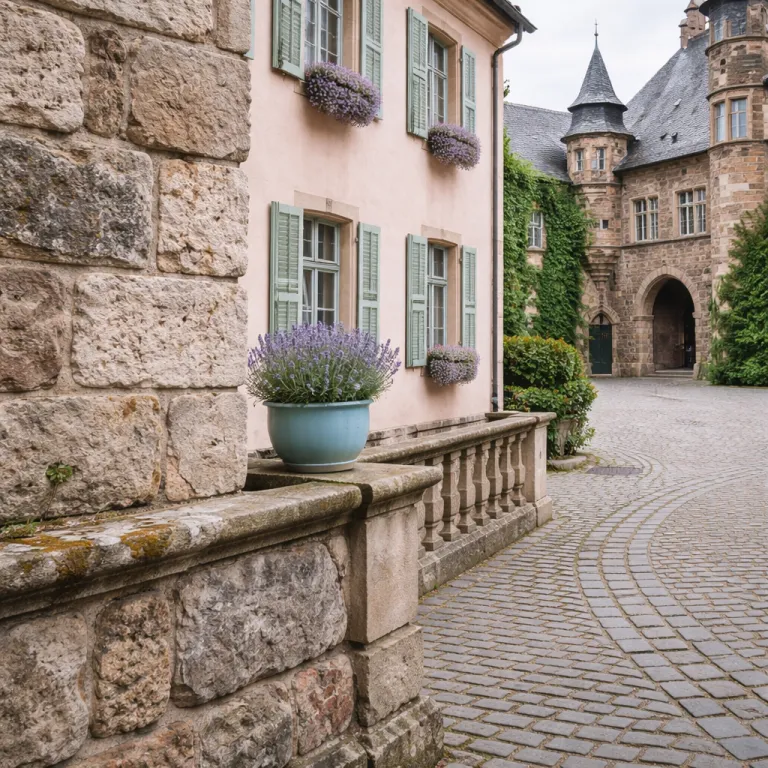
How to read castle hotels in Germany: authenticity, comfort and price
Germany has more castles and palaces than most travellers ever see. When you start comparing castle hotels in Germany, the first task is separating authentic schloss properties from theatrical fortresses that feel like film sets. A great castle stay balances lived history with modern comfort, so your trip to Germany feels atmospheric but never impractical.
Look closely at how each hotel describes its rooms and public spaces. True historic castles will reference specific eras, such as a medieval burg tower or a baroque schloss wing, while also explaining how rooms and suites were renovated with heating, WiFi and proper soundproofing. Before you stay in any historic property, check whether the castle rooms are in the original structure or in a modern annex that only borrows the name of the schlosshotel.
Pricing tells another story about castle accommodation in Germany. Data from specialist booking platforms such as Romantik Hotels and heritage-focused OTAs suggests that rates typically range from about €90 to €359 per night, with higher prices reflecting both star hotel classification and the depth of restoration work (see, for example, Romantik Hotels rate bands and DEHOGA hotel category guidelines, which outline typical price corridors by star level). When a night in a castle seems unusually cheap, check carefully whether the room is in the main burg or in a nearby town building that only offers distant views of the schloss.
Families should pay attention to room size and layout in every castle hotel. Many historic castles were not designed for today’s family needs, so interconnecting rooms or large suites are a genuine luxury, not a given. If you plan a longer castle break, ask the hotel directly about baby cots, extra beds and whether room service can handle children’s food requests outside standard restaurant hours.
Authenticity also shows in how a schlosshotel handles its own history. The best castle hotels in Germany explain their past clearly, from former noble owners to wartime roles, instead of relying on vague legends about ghosts in a random castle room. When a property is transparent about both glamorous and difficult chapters of its history, you can trust the rest of the narrative around your German castle stay more easily.
Rhine valley legends: castles, wine and family friendly river views
The Rhine valley remains the most iconic setting for castle hotels in Germany. Between Koblenz and Bingen, the steep vineyards and stacked castles create a natural stage where every schloss and burg seems to lean over the Rhine River. For families, this region offers the easiest combination of short travel distances, dramatic views and relaxed food culture.
Auf Schönburg in Oberwesel is a benchmark for overnight castle experiences on the Middle Rhine. This four star hotel occupies a hilltop burg above the town, with castle rooms that feel genuinely historic yet surprisingly modern in their bathrooms and bedding. Many suites look directly over the Rhine valley, so children can watch ships glide past while parents enjoy a quiet stay in Germany with a glass of Riesling.
Several properties in this stretch of the Rhine specialise in multi generational stays. You will find castle hotels where breakfast included is served on terraces with panoramic views, and where the restaurant offers both fine dining menus and simpler food for younger guests. Before you book, check ferry schedules and train connections along the Rhine River, because some castles sit high above the water and require steep walks or shuttle transfers from the town below; for example, Oberwesel and St. Goar stations are common arrival points for castle transfers.
For travellers who care as much about vineyards as about castles and palaces, the Middle Rhine is hard to beat. Many schlosshotel addresses here partner with local wineries, so your castle weekend can include tastings, cellar tours and seasonal menus that highlight regional food. For a deeper dive into specific properties and wine focused itineraries, our dedicated guide to Rhine valley hotels for wine, views and history maps the best options along both banks.
Not every castle hotel on the Rhine offers a spa or swimming pool, so set expectations early if wellness is a priority. Some schloss properties compensate with riverfront lawns, forest walks and family friendly picnic spots that make a German holiday feel slower and more local. When you compare castle hotels along the river, weigh the trade off between direct water access, elevated views and the practicalities of arriving with luggage and children.
From Bavaria to Lower Saxony: regional styles of staying in a castle
Beyond the Rhine, regional character shapes almost every stay in castle hotels in Germany. In Bavaria, many castles sit near mountains and lakes, while in Lower Saxony the landscape flattens into parkland and forests dotted with moated burg estates. Understanding these differences helps you choose a castle hotel that matches your family’s rhythm rather than just your Instagram feed.
Bavarian properties such as Burg Wernberg show how a medieval castle can host a thoroughly modern hospitality concept. Here, thick walls and vaulted ceilings frame rooms and suites with contemporary fabrics, strong showers and technology that actually works, so your time in Germany feels indulgent rather than rustic. Families who enjoy hiking and winter sports often prefer a castle experience in Bavaria, where day trips can combine fortresses and palaces with alpine lakes and ski areas.
Lower Saxony offers a quieter, more pastoral version of castle hotels in Germany. Many schloss estates here sit within landscaped parks, sometimes with a golf course or riding stables that appeal to active travellers. When you book a castle hotel in Lower Saxony, check whether breakfast included is served in the historic hall or in a modern pavilion, because that detail often signals how deeply the property leans into its own history.
In Baden and the wider Baden Württemberg region, spa culture intersects with castle architecture. Properties such as Schlosshotel Monrepos and Schlosshotel Bühlerhöhe draw guests who want both a schloss setting and access to thermal baths, forest trails and serious food. If a spa and swimming pool matter to your German getaway, focus on Baden addresses where wellness is integral to the concept rather than an afterthought in a converted castle room.
When planning future trips, keep an eye on new openings and renovations across castle hotels in Germany. Heritage properties often undergo multi year restorations that transform basic rooms into full suites with better insulation, air conditioning and room service. Our forward looking overview of new German properties to book tracks which schloss and burg addresses are quietly becoming the next generation of serious star hotel contenders.
Inside the walls: what to expect from rooms, food and service
Life inside castle hotels in Germany feels different from a conventional city hotel from the moment you step through the gate. Corridors twist, ceilings change height and no two rooms share the same footprint, which is part of the charm but also a practical consideration. Families should always check floor plans or at least ask for clear descriptions of room categories before committing to a longer stay in a historic castle.
In the best schlosshotel properties, rooms and suites are designed to respect original architecture while quietly inserting modern comforts. Expect high quality mattresses, layered lighting and bathrooms that use stone or tile to echo the castle history without feeling like a museum. When a castle hotel has invested properly, you will notice details such as discreet climate control, strong water pressure and enough sockets for multiple devices in every castle room.
Food is where many castle hotels in Germany either excel or disappoint. Some properties run a destination restaurant with fine dining tasting menus, while others focus on hearty regional food served in panelled halls or on terraces with views of the surrounding town. If you travel with children, ask whether breakfast included offers flexible hours and whether room service can adapt dishes from the main restaurant for simpler in room meals.
Service style in a schloss or burg can feel more personal than in a large chain hotel. Staff often know the building’s history intimately and can point out original features, from arrow slits to hidden staircases, which makes a castle stay more engaging for curious children. At the same time, you should expect professional standards in a star hotel, including clear communication about check in times, luggage help and late night access to the property.
Many castle hotels in Germany also host weddings and events, which can affect the atmosphere of your stay. Before you book a quiet weekend, check whether the schlosshotel has large functions scheduled that might limit access to certain rooms or terraces. If you prefer a more cosmopolitan contrast after a few days of castle life, pairing your itinerary with an urban break in a stylish property or even a night near truly cosmopolitan nightlife hubs can reset the mood.
Flagship addresses: Schlosshotel Kronberg, Auf Schönburg and Wartburg Hotel
Some castle hotels in Germany stand out as benchmarks for how to handle heritage. Schlosshotel Kronberg near Frankfurt, Auf Schönburg above the Rhine and the Wartburg Hotel in Thuringia each show a different way to stage a stay in a historic building. Together, they illustrate what families and couples should expect when paying premium rates for a castle hotel experience.
Schlosshotel Kronberg occupies a former imperial schloss set within manicured parkland and a golf course, which immediately signals its grand hotel ambitions. Inside, salons lined with art and antiques lead to rooms and suites that feel more like private apartments than standard hotel units, yet they still deliver modern bathrooms and reliable technology. For families, the combination of spacious grounds, refined restaurant options and the possibility of breakfast included in elegant dining rooms makes this schlosshotel a strong base near a major town with easy rail access from Frankfurt.
Auf Schönburg, by contrast, leans into its hilltop burg drama above the Rhine River. Here, castle rooms are carved into towers and ramparts, with views that sweep across the Rhine valley and down to the town of Oberwesel, creating a sense of seclusion that many guests seek in German castle accommodation. The restaurant mixes regional food with more refined plates, and the overall feeling is intimate rather than palatial, which suits couples and smaller families who enjoy the idea of truly staying in a castle for a few nights.
The Wartburg Hotel in Eisenach, perched just below the UNESCO listed Wartburg castle, offers yet another variation on the theme. While not every room sits in the original medieval structure, the property uses timber, stone and textiles to echo the surrounding castles and palaces without slipping into pastiche. Guests come for the layered history of the Wartburg itself, then appreciate the spa facilities, the serious approach to food and the calm stay in Germany that follows a day of sightseeing.
Across these flagship addresses, one pattern repeats in castle hotels in Germany. The most successful properties respect their own history, invest in modern comfort and train staff to move confidently between storytelling and efficient service. When you see that combination in any schloss or burg, from Baden to Lower Saxony, you can book your German castle holiday with real confidence.
Practicalities: access, seasons and what families should check before booking
Romantic images of castle hotels in Germany rarely show the access road or the car park. In reality, many schloss and burg properties sit on hills above a town or deep in forests, which affects how you arrive with luggage, children and possibly grandparents. Before confirming any stay in Germany, check driving directions, parking options and whether the hotel offers transfers from the nearest station; for example, many Rhine castles arrange pick ups from Koblenz, Bingen or local Mittelrhein stops.
Seasonality matters more in castle hotels than in many city properties. Thick stone walls hold heat in summer and cold in winter, so you should ask directly about air conditioning, heating systems and how recently rooms and suites were renovated, especially if you plan a longer castle break. Some schlosshotel addresses close parts of their buildings in the off season, which can make public spaces feel quieter but also more atmospheric for guests who enjoy the sense of staying in a castle almost alone.
Families should pay particular attention to safety and layout in older castles. Spiral staircases, uneven floors and low parapets are part of the history, yet they require extra care with younger children, so request castle rooms closer to lifts or main corridors if mobility is a concern. When you compare castle hotels in Germany, ask whether breakfast included and room service can accommodate early bedtimes, allergies and flexible meal times, because food logistics often define how relaxing a short break feels for parents.
Wellness facilities vary widely between castles and palaces. Some properties offer a full spa and swimming pool complex carved into former cellars or outbuildings, while others provide only a sauna and a few treatment rooms, so check photos carefully before assuming anything. If a golf course, extensive gardens or easy access to the Rhine River or mountain trails matters to your itinerary, confirm those details directly with the hotel rather than relying on generic marketing language.
Finally, remember that demand for characterful castle hotels in Germany has risen sharply with the growth of heritage tourism. Booking platforms and tourism boards consistently advise guests to secure dates early, especially for school holidays and long weekends, because “Is prior booking necessary? Highly recommended due to popularity.” When you plan ahead, you gain access to the most atmospheric castle room categories and can shape a German stay that feels both magical and genuinely comfortable.
Key figures on castle hotels in Germany
- Specialist directories currently list around 20 dedicated castle hotels in Germany, a small fraction of the country’s more than 20,000 castles and palaces, which shows how selective full hotel conversions remain (source: Romantik Hotels portfolio, German Castle Association overviews and regional heritage accommodation guides that distinguish true castle hotels from guesthouses near historic sites).
- Typical nightly rates for castle hotels in Germany range from about €90 to €359 per room, placing many properties firmly in the premium and luxury segments compared with standard regional hotels (source: aggregated booking data from heritage accommodation platforms and sample pricing on Romantik Hotels and Booking.com for representative dates outside major trade fairs).
- Heritage tourism has grown steadily across Germany, with historic hotels reporting rising occupancy from families and couples seeking distinctive stays rather than generic resorts, especially in regions such as the Rhine valley, Thuringia and Bavaria (source: German National Tourist Board trend reports and regional tourism statistics that track overnight stays in historic accommodation).
- Many castle hotels in Germany now operate year round, but high season demand clusters around school holidays and long weekends, when advance booking windows can stretch to several months for the most sought after schloss and burg properties (source: Romantik Hotels booking statistics and state tourism board reports on seasonal occupancy patterns).
FAQ about staying in castle hotels in Germany
What is the average cost per night in a German castle hotel ?
Across castle hotels in Germany, prices generally range from about €90 to €359 per night, depending on location, star hotel category and room type. Entry level rooms in less famous castles tend to sit at the lower end, while suites in landmark schloss properties with spa facilities and fine dining restaurants command higher rates. Families should factor in whether breakfast included and parking are part of the rate when comparing options.
Do castle hotels in Germany offer modern amenities ?
Most serious castle hotels in Germany combine historic architecture with modern amenities such as WiFi, updated bathrooms and reliable heating. Renovated rooms and suites in leading schlosshotel properties often feature high quality bedding, contemporary lighting and sometimes air conditioning, especially in regions with warmer summers. It is still wise to check specific details like lift access, spa facilities and room service hours before booking, because not every burg can accommodate full contemporary infrastructure.
Are castle hotels in Germany suitable for families with children ?
Many castle hotels in Germany are explicitly family friendly and offer larger rooms, extra beds and flexible food options for younger guests. Children usually enjoy the sense of adventure that comes with exploring towers, courtyards and gardens around a schloss or burg. Parents should, however, check safety aspects such as staircases and terraces, and confirm whether the hotel provides baby cots, high chairs and early breakfast included times that fit family routines.
Can events and weddings be hosted at German castle hotels ?
A significant number of castle hotels in Germany operate as event venues for weddings, corporate retreats and private celebrations. Grand halls, terraces with views and landscaped grounds make schloss and burg properties particularly attractive for such occasions. If you plan a quiet leisure castle weekend, ask the hotel whether large events are scheduled during your dates, as these can influence noise levels and access to certain spaces.
How far in advance should I book a castle hotel in Germany ?
Because heritage properties have a limited number of unique rooms, early booking is strongly advised, especially for school holidays and popular regions such as the Rhine valley or Bavaria. Many travellers secure their stay in Germany several months ahead to access the most atmospheric castle room categories and preferred dates. This is especially true for families needing multiple rooms or specific layouts in a schlosshotel or burg.