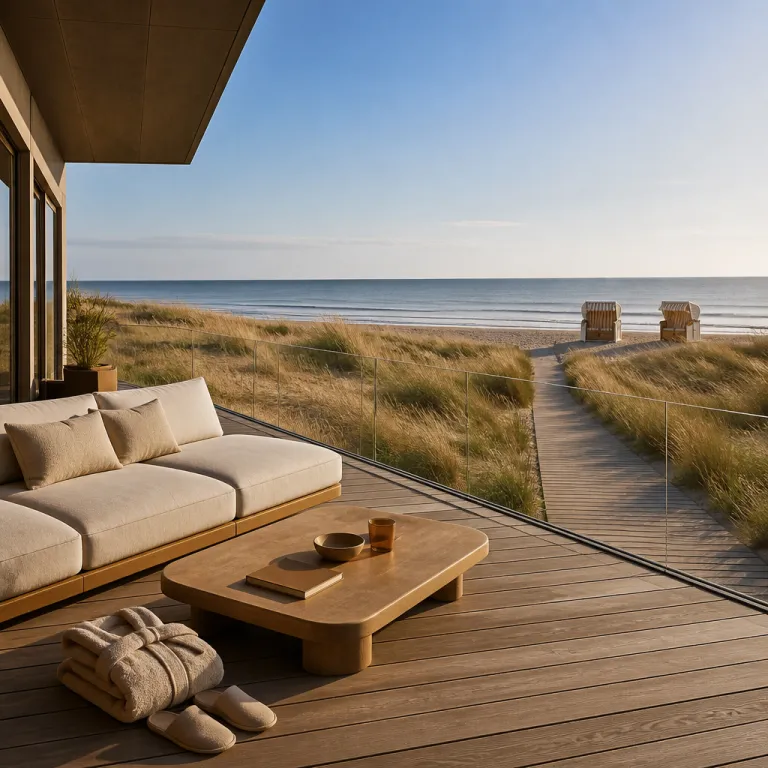
Why Sylt still sets the tone for coastal luxury in Germany
Sylt sits at the very top of Germany’s island hierarchy, and that status did not happen by accident. The long, narrow shape, the 40 kilometres of west coast beach and the protected Wadden Sea side create a rare mix of wild North Sea drama and sheltered tidal flats that few other coastal destinations in Germany can match for setting. For a Sylt luxury hotels guide aimed at serious travellers, the real story is how this landscape, rather than celebrity gossip, should drive your choice of hotel, resort spa or medical wellness retreat.
Access is both Sylt’s strength and its filter, because you either arrive via the Hindenburgdamm causeway by Deutsche Bahn Autozug or by plane into Sylt Airport from selected cities in Germany. That extra step keeps mass tourism in check, yet it also concentrates demand into a compact strip of villages where the best hotels and accommodations book out months ahead, especially when the summer months offer warm weather and vibrant activities. Any honest guide has to say it clearly: if you want the right rooms and suites with a serious spa Sylt programme, you book early or you compromise.
The island also carries cultural weight that shapes expectations, from the Kampen champagne clichés to the discreet thatched landhaus retreats in Keitum. Sylt’s Michelin level dining, including the legendary Söl’ring Hof in Rantum (two Michelin stars in the 2024 Michelin Guide Germany), has anchored its reputation among food focused travellers who follow the Michelin Guide as closely as they follow weather charts. That mix of culinary ambition, North Sea light and a surprisingly sophisticated service culture is what still makes a trip here worth your time, even when the headlines feel louder than the hospitality.
Reading the island: where to stay from Westerland to List
Think of this Sylt luxury hotels guide as a neighbourhood decoder, because each village suits a different kind of stay. Westerland is the transport hub of the island, with the train station, most shops and a dense spread of hotels that work for first timers who want convenience over seclusion. You come here for easy logistics and quick access to the promenade, not for a hushed landhaus atmosphere or a design forward resort spa, and typical nightly rates for mid range hotels start around €150–€220 in high season.
Kampen, by contrast, is where the social scene plays out between dunes, thatched roofs and high end restaurants that lean into the island’s Michelin aspirations. The famous Red Cliff offers a cinematic view at sunset, and the hotels around here tend to trade on address and attitude as much as on service depth, which this guide treats with a critical eye. If you want nightlife and people watching with your hotel, Kampen still delivers, but it is rarely where you find the most generous rooms and suites or the most attentive spa Sylt teams, and you should expect summer rates at upscale properties to start well above €300 per night.
Keitum and Morsum shift the mood entirely, with old captain’s houses, cobbled lanes and a slower rhythm that rewards walkers and readers. Properties such as Landhaus Severin and Landhaus Stricker lean into this village feel, combining serious wellness facilities with a quieter, more residential style of accommodations that suits longer stays. This is also where the island’s wellness tradition, from Kneipp inspired rituals to modern resort spa concepts, overlaps with the broader German spa culture explored in depth in our feature on the Kneipp revival in German hotels.
Keitum and Rantum: thatched roofs, real character and wellness depth
Keitum is where Sylt’s thatched roof aesthetic feels most authentic, and where this Sylt luxury hotels guide starts to separate substance from styling. Many visitors arrive expecting every hotel village with a Reetdach to deliver quiet luxury, but the reality is more nuanced, with some houses operating as simple holiday rentals and others as fully fledged hotels with refined service. The trick is to look beyond the postcard and ask how the team handles customer contact, from pre arrival emails to the way they manage spa bookings on a stormy afternoon.
Severin*S Resort & Spa, often shortened to the Severin Resort, anchors Keitum’s high end scene with a serious resort spa, a generous pool landscape and a layout that feels like an upscale hotel village rather than a single block. Rooms and suites are spread across several thatched buildings, with roughly 60–70 keys including family suites, and the interiors balance North Sea understatement with the kind of comfort that makes a week long stay feel effortless. For many repeat guests from across Germany, this is the property that finally made them understand why there are already well over a hundred hotels and guesthouses on Sylt despite the island’s modest size, and why summer nightly rates for larger suites can easily exceed €600.
Rantum, further south, narrows between the North Sea and the Wadden Sea, and that geography creates some of the most compelling views on the island. Here, Söl’ring Hof sits almost alone in the dunes, with a handful of rooms and suites (fewer than 20 keys), a Michelin Guide level kitchen and a service culture that feels more like a private house than a conventional hotel. If you are torn between Sylt and a more international coastal scene, think of Söl’ring Hof as the North Sea answer to the discreet, food led resorts we cover in our Bavarian Alps summer luxury hotel feature, where the landscape and the plate carry equal weight.
Lanserhof Sylt, Budersand and the wellness powerhouses
For travellers who read a Sylt luxury hotels guide primarily through a wellness lens, three names matter more than the gossip pages. Lanserhof Sylt in List is a full scale medical wellness resort spa, designed for guests who treat their stay as a reset rather than a beach holiday, with programmes that run for a week or longer. The architecture is crisp and contemporary, and while the rooms and suites are comfortable, the real luxury lies in the diagnostics, the treatments and the disciplined daily rhythm, with typical one week medical packages often starting in the mid four figure euro range.
At the southern tip of the island, Budersand Hotel – Golf & Spa in Hörnum offers a different kind of retreat, pairing a championship links course with a spa Sylt concept that leans into sea views and long, unhurried treatments. Here, the view over the dunes and the harbour becomes part of the therapy, and the hotel’s restaurants quietly overperform, especially for guests who prefer to dine in after a day on the course. This is where the island feels closest to Scotland in spirit, yet the service style remains unmistakably German, precise without stiffness, and golfers should expect green fees and room rates that reflect the resort’s five star positioning.
Relais & Châteaux Hotel Landhaus Stricker, often simply called Landhaus Stricker, rounds out the wellness trio with a more intimate, house like scale and a focus on culinary detail that aligns naturally with the Michelin mindset. The property sits slightly inland, which means you trade a direct sea view for a cocooned, residential feel and a spa that works as a genuine retreat on grey days. For many readers of this guide, these three addresses form the backbone of any serious comparison with other wellness focused hotels in Germany, from the North Sea to the Bavarian Alps.
Beyond the hype: Kampen, List and the reality of Sylt’s social scene
Kampen’s reputation in Germany is built on champagne terraces, sports cars and a social calendar that peaks in high summer, but that is only part of the story. When you read a Sylt luxury hotels guide that treats Kampen purely as a playground, you miss the quieter mornings, the long walks over the heath and the way the light hits the Red Cliff on a windy weekday. The hotels here tend to be smaller, with a mix of traditional landhaus style houses and more contemporary builds that sometimes prioritise address over thoughtful service, and availability for peak weekends can be tight three to four months in advance.
List, at the northern tip, has changed fastest in recent years, with Lanserhof Sylt bringing a new kind of guest who is less interested in being seen and more focused on structured wellness. The village itself remains modest, but the surrounding dunes and the ferry link to the Danish island of Rømø make it a useful base for travellers who like to combine a Sylt stay with cross border day trips. For those who usually split their time between North Sea islands and Mediterranean hotspots, our feature on upscale clubs in Mykonos for a cosmopolitan crowd offers a useful counterpoint to Sylt’s more understated nightlife.
Across both Kampen and List, the dining scene has matured beyond the clichés, with restaurants that take local produce seriously without turning every plate into a performance. The Michelin Guide presence on the island, anchored by Söl’ring Hof and supported by ambitious kitchens in several hotels, keeps standards high even in casual settings. When you choose a hotel in these villages, pay as much attention to the chef’s name and the wine list as to the room photos, because on Sylt the plate often tells you more about the property’s priorities than the lobby.
Seasonality, alternative islands and how to book Sylt intelligently
Sylt in high summer and Sylt in shoulder season feel like two different islands, and any honest Sylt luxury hotels guide has to treat them separately. In July and August, the beaches fill, restaurant reservations become a competitive sport and the most sought after rooms and suites at properties like Severin*S Resort & Spa or Budersand are often gone three to six months in advance. Off season, you trade guaranteed sun for empty dunes, easier access to spa appointments and a version of the island that feels closer to its maritime roots.
If your dates are fixed and you dislike crowds, consider the alternative North Sea islands such as Amrum, Föhr or Norderney, which offer wide beaches, thatched villages and a growing set of hotels in Germany that understand modern luxury. They lack Sylt’s Michelin density and its headline grabbing names, but they compensate with space, value and a more relaxed booking curve that suits spontaneous travellers. For some readers, the smartest strategy is to pair a shorter, high impact stay at a Sylt resort spa with a quieter week on a neighbouring island, using the ferry and train network to keep logistics simple.
Whatever your choice, the booking basics remain the same: reserve well in advance during peak season, consider location preferences and check for special offers. When you contact a hotel, pay attention to how quickly and precisely the team responds, because that first customer interaction often mirrors the service you will receive on site. Sylt rewards travellers who plan like locals, think beyond the headlines and treat the island as part of a wider German coastal circuit rather than as a standalone trophy destination.
Key figures and hotel landscape on Sylt
- Sylt hosts a notably high number of hotels and guesthouses for an island of its size in Germany, with local tourism statistics indicating well over 200 registered accommodation businesses, which explains both the competitive service standards and the need for careful selection when choosing where to stay.
- Wellness focused properties such as Lanserhof Sylt, Severin*S Resort & Spa and Budersand Hotel – Golf & Spa reflect the broader increase in demand for wellness hotels across Germany, where health oriented stays have grown steadily over recent seasons according to German tourism and spa industry reports.
- The island’s accommodation mix ranges from simple guesthouses to high end resort spa complexes, giving Sylt a broader price spectrum than its celebrity image suggests and allowing travellers to align budget with location and service level.
- Summer remains the busiest period on Sylt, with tourism boards consistently recommending early booking for hotels and restaurants, especially for travellers seeking Michelin Guide level dining and full service spa facilities.
FAQ
What is the best time to visit Sylt for a luxury stay ?
For beach focused stays with long days and a full social calendar, the summer months offer warm weather and vibrant activities, but they also bring higher prices and busier hotels. If you prioritise spa time, long walks and easier restaurant reservations, late spring and early autumn provide a calmer, more reflective version of the island. Winter can be rewarding for storm watchers and wellness retreats, especially at properties with strong indoor facilities.
Is it necessary to book hotels on Sylt in advance ?
Advance booking is highly recommended, especially during peak seasons. The most desirable rooms and suites at high end properties such as Severin*S Resort & Spa, Budersand or Lanserhof Sylt often sell out months ahead, particularly for school holiday periods. For off season stays you may find more flexibility, but reserving early still helps secure better room categories and spa appointments.
Are there budget friendly accommodations on Sylt ?
Yes, options range from budget to luxury accommodations. While this Sylt luxury hotels guide focuses on the upper end of the market, the island also offers simpler guesthouses, apartments and smaller hotels in Westerland and other villages that work for travellers who prioritise location over extensive spa facilities.
How does Sylt compare with other North Sea islands for luxury travel ?
Sylt stands out for its combination of high end hotels, Michelin Guide level dining and relatively easy access by train and plane from mainland Germany. Islands such as Amrum, Föhr and Norderney offer beautiful beaches and a slower pace, but they currently have fewer full scale resort spa properties and less culinary diversity. For many travellers, the ideal approach is to experience Sylt for its concentrated luxury, then add a quieter island for contrast.
What is the dining situation beyond hotel restaurants on Sylt ?
Sylt’s dining scene extends well beyond hotel restaurants, with a strong mix of standalone bistros, seafood spots and fine dining addresses across villages like Kampen, Keitum and Rantum. The presence of Söl’ring Hof and other Michelin recognised kitchens raises expectations island wide, so even casual places tend to take product quality seriously. Booking ahead is wise in high season, especially for dinner, as many restaurants operate with limited seating and high demand.