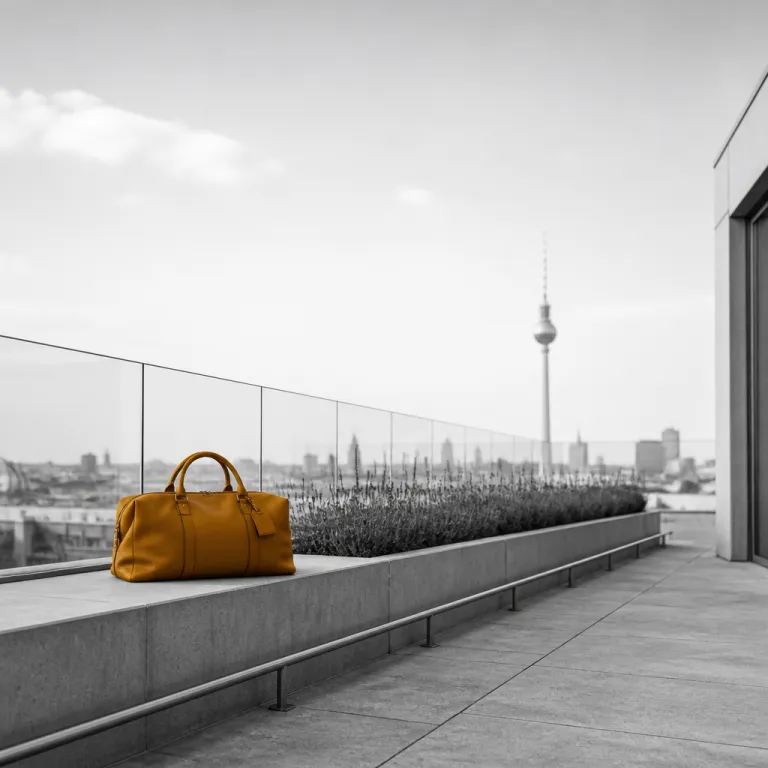
Why bleisure hotels in Germany are reshaping business leisure travel
Bleisure hotels in Germany now sit at the crossroads of business and leisure. For many business travelers, the decision to extend a work trip into a long weekend shapes which hotel they book and how they experience travel. When a blended business stay works well, it turns a functional work assignment into a short chapter of real life rather than a blur of anonymous hotels.
Across the German travel industry, data from investors and operators shows a clear growing demand for stays that blend work and downtime. A 2023 SAP Concur survey, for example, found that around 89 % of global business travelers plan to add personal days to at least one work trip (SAP Concur Global Business Travel Survey 2023), a pattern that German hoteliers now factor into design and pricing. Berlin has become a laboratory for this trend, with lifestyle-focused hotels and large-scale mixed-use projects designed around coworking, meetings and leisure activities. These properties understand that corporate trips are no longer just about logistics but about work–life integration and long-term guest relationships.
For companies managing business travel, the bleisure segment is no longer a side note. Corporate travel policies increasingly acknowledge that employees who add leisure days return with better life balance and stronger engagement at work. When a hotel supports both focused work and restorative free time, guests feel that their schedule is respected and their trip has a purpose beyond meetings.
What makes a German hotel genuinely bleisure friendly
A genuine bleisure hotel in Germany starts with work that actually works. That means daylight-filled desks, reliable data connectivity, quiet zones for calls and coworking spaces that feel like a well-designed office rather than a repurposed lobby. Many urban properties now advertise Wi‑Fi speeds of 100 to 300 Mbps and ergonomic chairs as standard, because when business travelers can clear their inbox efficiently, they reclaim leisure time for the city outside.
The best hotels treat business trips as flexible journeys rather than rigid itineraries. Late checkout on Fridays, luggage storage for Sunday departures and weekend transition services help travelers slide from hybrid business mode into pure holiday time without friction. These details matter for employees who want to turn a short assignment into a series of meaningful extended stays across Germany, especially when corporate travel policies allow guests to cover only the extra nights while the company pays the weekday rate.
Wellness and food complete the bleisure travel equation. A compact spa, a serious gym and access to outdoor activities such as lakeside paths or nearby hiking trails transform a standard hotel into a base for work–life balance. For executives planning where to stay near Germany’s best hiking routes, a curated guide to luxury hotels near Germany’s best hiking trails can turn a routine trip into a long-term ritual. One frequent traveler described his preferred Munich hotel as “an office from 8 to 6 and a mountain base camp after that,” capturing how a single property can serve both roles.
City by city: the German hotels that get bleisure right
Berlin leads the conversation about bleisure hotels Germany business leisure thanks to its mix of creative workspaces and serious hospitality. New openings with coworking concepts and 24‑hour fitness underline how business travel and leisure time now overlap in the same building. These hotels attract guests who want to close their laptop on Thursday night and step straight into a different life for the weekend.
Frankfurt approaches the blended travel market from a corporate angle but with growing nuance. Properties such as Lindner Hotel Frankfurt Höchst, Bolongarostraße 100, 65929 Frankfurt am Main, combine serviced-style apartments with full hotel services, giving business travelers space for work and room for leisure activities during longer trips. Typical room sizes of 25 to 35 square metres, kitchenettes and on-site laundry make it easier to stay for a week or more without feeling like a transient guest. In Munich, executives often choose hotels based on neighbourhood character, using detailed maps of where to stay in Munich for luxury hotels by neighbourhood to align business meetings with weekend culture.
Hamburg and Düsseldorf specialise in water-facing stays that suit both business commitments and classic leisure travel. Voco Düsseldorf Seestern, Fritz‑Vomfelde‑Straße 38, 40547 Düsseldorf, positions itself as a premium option for business travelers and weekend guests, with meeting rooms balanced by easy access to the Rhine and the MedienHafen. In Baden‑Baden, grand spa hotels show how a business trip can end with thermal baths and slow breakfasts, a pattern explored in depth in our guide to spa hotels in Baden Baden for weekend escapes. Average nightly rates in these destinations often range from around 140 to 260 euros for upscale properties, based on 2023–2024 published prices, a level many companies accept when they see higher employee satisfaction and repeat bookings.
Inside the stay: restaurants, wellness and extended stay design
In the best bleisure hotels, the restaurant is not just a backdrop. At Hotel Vier Jahreszeiten Starnberg near Lake Starnberg, Münchner Straße 17, 82319 Starnberg, gourmet dining and a serious bar program allow a room service working lunch to evolve into a Friday night celebration dinner without leaving the hotel. This is where business leisure becomes tangible, as a formal trip softens into a relaxed weekend with colleagues, partners or family. One project manager who regularly stays there described the pattern as “PowerPoint at noon, tasting menu at eight, lake walk the next morning.”
Wellness design has also shifted in response to growing demand from bleisure travelers. Seminaris Hotels and LÉGÈRE HOTEL GROUP, for example, build spaces where work and relaxation sit side by side, with modern conference rooms next to spa zones and quiet lounges. Meeting rooms for 20 to 150 people, daylight, integrated screens and coffee corners now sit only a few steps from saunas or relaxation decks. These hotels understand that work–life balance is not an abstract concept but a sequence of choices guests make during their stay, from an early swim before meetings to a late sauna after a long day of travel.
Extended stay and serviced apartment concepts are moving upmarket across the German travel industry. For long-term projects, employees now expect hotel-style services, generous desks and kitchens that support real life rather than just short trips. This shift reflects a wider travel trend where business assignments stretch into weeks, and where the line between professional time and home life becomes deliberately blurred. Operators report that average lengths of stay for project-based guests can reach 10 to 20 nights, encouraging hotels to invest in laundry rooms, storage and social spaces that feel more like residential lounges than transient lobbies.
Why the bleisure blueprint matters for companies and travelers
For companies, the rise of bleisure travel is not just a lifestyle story. When around 60 % of business travelers extend trips for leisure, as reported by Green Pearls in a 2022 survey of sustainability-focused hotels and guests (Green Pearls® Responsible Travel, “Bleisure Travel Survey 2022”), corporate travel policies must adapt to protect duty of care while supporting life balance. The most forward-thinking company leaders now read hotel content with an eye on both productivity and employee wellbeing.
From the traveler’s perspective, mixed-purpose trips offer a way to reclaim time. A carefully chosen hotel can turn anonymous business travel into a series of personal rituals, from a favourite running route to a trusted bar where staff remember your name. Over repeated visits, these patterns create a sense of continuity that anchors work life in something more human than airport lounges and meeting rooms.
For the wider travel industry, the bleisure market signals a structural trend rather than a passing fashion. Hotels that invest in flexible spaces, strong data infrastructure and thoughtful leisure activities will win repeat business from guests who return first for work and later for pure holiday travel. In that sense, every well-executed business trip becomes a quiet marketing campaign for the next long weekend.
FAQ
What is bleisure travel in the German hotel context ?
Bleisure travel means combining business trips with leisure activities during the same stay. In Germany, this often looks like arriving for meetings midweek, then adding one or two nights to explore the city or nearby nature. Hotels respond with coworking spaces, wellness areas and late checkout options that support both work and free time.
Which German hotels are known for strong bleisure offerings ?
Several German hotels have built reputations around the blend of business and leisure. Lindner Hotel Frankfurt Höchst offers apartment-style rooms with full business facilities, while Hotel Vier Jahreszeiten Starnberg pairs gourmet dining with wellness for lakeside weekends. Groups such as Seminaris Hotels and LÉGÈRE HOTEL GROUP design properties where conference spaces and relaxation zones are deliberately integrated.
How can I choose a hotel that suits both work and leisure ?
Start by checking whether the hotel offers dedicated workspaces, reliable connectivity and quiet areas for calls. Then look for wellness facilities, access to outdoor leisure activities and flexible check-in or checkout policies that support an extended weekend. Reading detailed content from specialist platforms such as mygermanystay.com helps you compare hotels based on real bleisure experiences rather than only on star ratings.
Why are companies paying attention to the bleisure market ?
Companies see that employees who add leisure travel days to business trips often return more rested and engaged. With a growing demand for flexible work–life patterns, corporate travel managers now evaluate hotels on both productivity features and wellbeing benefits. This approach can strengthen retention, reduce burnout and turn necessary travel into a more sustainable part of professional life.
Are bleisure trips mainly for senior executives, or for all travelers ?
Bleisure trips began as a pattern among frequent flyers and senior executives, but the concept has broadened. Today, many employees across different levels use business travel as a chance to explore Germany’s cities and landscapes with an extra night or two. The key is clear communication with the company and choosing hotels that support both focused work and meaningful leisure time.