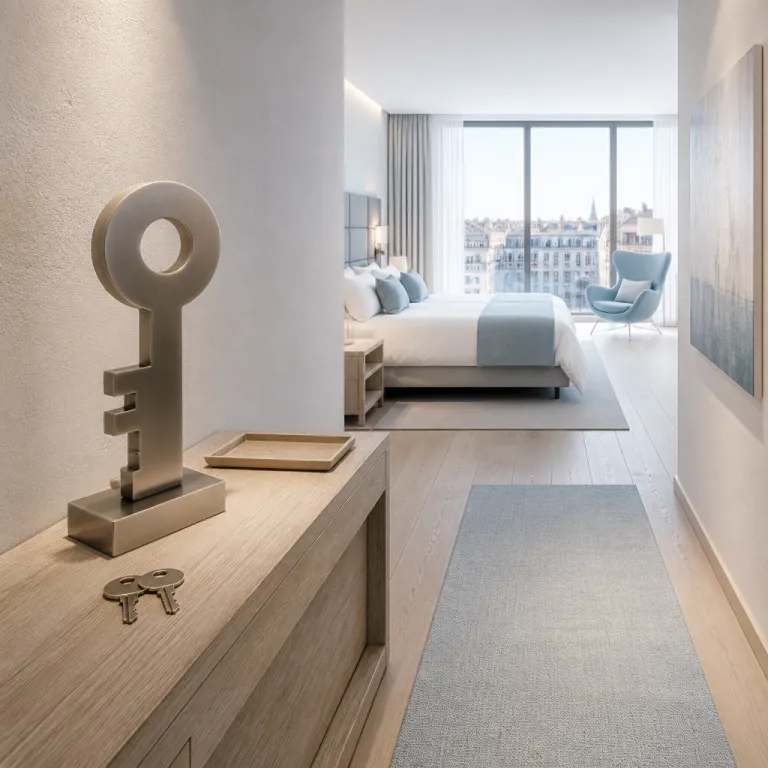
How Michelin Key hotels in Germany redefine the luxury benchmark
Michelin Key hotels in Germany now sit near the top of the country’s hospitality hierarchy. When the Michelin Guide introduced its Key system as the hotel counterpart to restaurant stars, it quietly rewired how serious travellers read any guide and how they choose a place to stay. For couples planning a romantic escape, those Keys turn a long list of luxury hotels into a focused short list of properties that genuinely move you.
Michelin Guide inspectors evaluate each hotel using standardized criteria that look beyond thread count to architecture, service consistency, sense of place and emotional impact. As Michelin explains in its official announcement of the new distinction, the aim is to highlight “the most outstanding hotels across the world” with up to three Keys indicating different levels of excellence. That framework now shapes how German hotels position themselves, from a lakeside grand hotel in Hamburg to a discreet resort spa in the Bavarian Alps.
Across Germany, more than a hundred hotels currently hold at least one Michelin Key, as part of a global selection that now includes several thousand properties. The six three-Key hotels Germany offers form a tiny, rarefied club, and each three-Key property shows a different way to stage romance, gastronomy and spa culture. For a couple used to the best hotels in the United States or a Ritz-Carlton stay in another city, the Michelin system gives a familiar, trusted language for comparing experiences.
From restaurant stars to hotel Keys
The Michelin Guide built its authority on three Michelin stars, and the hotel programme borrows that same clarity. One Key signals a special place, two Keys indicate an exceptional stay and three Keys mark a destination hotel that can justify a trip on its own. In practice, a three-Michelin-star restaurant and a three-Key property share the same ambition: to create a complete narrative from arrival to farewell.
Inspectors look at whether a hotel spa feels integral to the story of the place or simply added as a generic wellness wing. They assess if a resort spa in the Black Forest uses local thermal water and regional treatments, or if a city spa in Berlin could be anywhere in the world. The Michelin Key is therefore less about size or price and more about coherence, with architecture, service, gastronomy and setting all pulling in the same direction.
For couples, that means a Michelin Key hotel in Germany is a safer bet when you are planning a once-a-year celebration. You can expect a guide-level of detail in everything from the wine list to the pillow menu, and a staff équipe trained to anticipate needs without hovering. When you filter Key hotels in Germany on a booking platform like mygermanystay.com, you are effectively using the Michelin Guide as a quality-control layer on top of your own taste.
Baiersbronn’s Black Forest trio: gastronomy, spa rituals and the art of lingering
Baiersbronn is a small Black Forest town of around 15,000 residents, yet it hosts two of Germany’s three-Key hotels and some of its most decorated kitchens. For a destination this compact to hold multiple three-Key properties is almost unheard of, even when you compare it with famous gastronomic cities like Rome or Venice. The result is a valley where the forest, the plate and the spa are all part of one long, slow conversation.
Hotel Bareiss is the warm, family-run side of Michelin Key hotels in Germany, with a grand hotel soul that never feels stiff. The architecture is classic Black Forest, but the resort spa is quietly ambitious, with multiple pools, saunas and a hotel spa programme that encourages you to stay three nights rather than rush through a single treatment. Gastronomy anchors everything, from the three-Michelin-starred Bareiss restaurant to the more relaxed Stube where couples linger over Spätburgunder and local game.
Just up the valley, Hotel Traube Tonbach offers a different reading of the three-Key brief. This hotel leans into alpine grandeur, with wide terraces, forest views and a spa that frames the trees like a living artwork. Here, the Michelin Guide credentials run deep, and the kitchens have long attracted travellers who might otherwise fly to a Belmond hotel in Italy or a palazzo on the Grand Canal in Venice for a similar level of culinary theatre.
Why gastronomy is inseparable from the Key
In Baiersbronn, you feel how tightly the Michelin Keys philosophy links rooms and restaurants. A couple might spend the afternoon in the resort spa, move to an aperitif in the bar and then walk directly into a dining room that holds three Michelin stars, all without leaving the property. That seamless flow is exactly what inspectors mean when they talk about emotional impact and sense of place.
For travellers used to choosing a hotel primarily for its spa, Baiersbronn shows why the kitchen matters just as much. A tasting menu built around forest herbs, river fish and game from nearby slopes tells you more about the region than any guide ever could. If you are curious about other contemplative stays with strong atmospheres, the curated selection of monastery hotels in Germany offers a similar depth of feeling, even if they are not all Key hotels.
Both Bareiss and Traube Tonbach prove that a Michelin Key hotel can be rooted in tradition without feeling dated. Service is formal yet warm, and the staff are highly qualifiés at reading whether a couple wants conversation or quiet. For many guests, the combination of three Keys, serious gastronomy and a generous spa makes Baiersbronn a place they return to every few years, the way others return to a favourite Four Seasons hotel in the United States.
Hamburg and Bavaria: lakeside Keys, cultural hideaways and city style
Move north to Hamburg and the mood of Michelin Key hotels in Germany shifts from forested intimacy to lakeside urbanity. The city holds two three-Key properties, both facing the water yet telling very different stories about what a grand hotel can be. For couples who like to pair gallery hopping with long spa sessions, Hamburg’s Key hotels are an elegant compromise between resort and city break.
Hotel Vier Jahreszeiten is the archetypal lakeside grand hotel, with chandeliers, deep sofas and a view over the Binnenalster that feels cinematic at dusk. The hotel spa is compact but carefully curated, and the restaurants lean into classic European luxury with a German accent, making it a natural choice for anniversaries or proposals. Across the lake, The Fontenay is all curves and glass, a modernist resort spa in the city that feels closer to a sculptural villa than a traditional hotel.
Both Hamburg hotels show how the Michelin Guide interprets urban luxury: not by counting marble, but by asking whether the architecture and service reflect the city outside. A stay here feels different from a Ritz-Carlton in another city or a Belmond hotel on the Lido in Venice, because the lake, the port and the Hanseatic restraint all seep into the experience. Couples who usually book a hotel in Berlin or a Munich stay for culture often add Hamburg as a softer, more romantic counterpoint.
Bavaria’s double act: Schloss Elmau and Seehotel Überfahrt
Further south, Bavaria’s two three-Key hotels show yet another face of German hospitality. Schloss Elmau is a cultural resort hidden in a high valley, famous for hosting G7 summits and for a year-round programme of concerts, talks and readings that turn the hotel into a mountain palazzo of ideas. Its spa complex is vast, with separate areas for families and adults, and the Michelin Key here rewards not just comfort but the way the resort invites you to think, read and listen.
On Lake Tegernsee, Seehotel Überfahrt feels more overtly romantic, with a lakeside setting that rivals some of the best hotels on Lake Como or the lakefront palazzi of Venice. The resort spa is one of the most extensive in Germany, and the hotel spa team builds multi-day programmes that combine alpine treatments with time on the water. If you are planning a summer road trip, it pairs beautifully with a stay at one of the Lake Constance hotels, creating a circuit of lakeside retreats that all feel distinct.
Both Bavarian properties underline how the Michelin Keys system values a strong sense of place. Schloss Elmau is about culture and contemplation, while Seehotel Überfahrt is about the lake, the mountains and long dinners that stretch late into the evening. For couples, choosing between them is less about which hotel is better and more about whether you want your three-Key stay to revolve around ideas or around the water.
How the Michelin Key changes booking decisions for couples
For a couple planning a romantic trip, the sheer number of hotels in Germany can feel overwhelming. Michelin Key hotels in Germany narrow the field, especially when you focus on three-Key properties that have already been stress-tested by inspectors. Instead of comparing dozens of hotels with similar photos, you can compare a handful of Key hotels that each offer a distinct narrative.
When you read the Michelin Guide entry for a hotel, pay attention to how often words like spa, restaurant and service appear. Inspectors are not writing marketing copy; they are signalling where the emotional weight of the experience lies, whether that is in a resort spa, a hotel spa or a dining room with three Michelin stars. If you care more about gastronomy than wellness, a property with a starred restaurant and a smaller spa may suit you better than a vast wellness complex with only a competent kitchen.
Budget also plays a role, even at this level. A three-Key hotel will usually command higher rates than a one- or two-Key property, but the value can be strong if you actually use what is on offer, from the cultural programme at Schloss Elmau to the spa circuits in Baiersbronn. Couples who travel frequently might choose one three-Key stay per year, then fill the rest of their calendar with characterful non-Key hotels that still align with their style.
Reading Keys like a seasoned traveller
Think of the Michelin Key as a shorthand for how far a hotel goes beyond the basics. One Key suggests a place that does the fundamentals beautifully, two Keys indicate a property that adds a strong sense of place and three Keys mark a hotel that can define an entire trip. When you combine that with your own priorities, you can build an itinerary that feels tailored rather than generic.
For example, a couple might start with a two-Key hotel in Berlin for galleries and nightlife, move to a three-Key resort spa in Bavaria for deep rest, then end with a night in Hamburg for lakeside city glamour. Another pair might focus on gastronomy, stitching together three-Michelin-star restaurants inside Key hotels and adding a stop at a grand hotel in a wine region. If you enjoy a cosmopolitan scene, you can even contrast Germany’s quiet luxury with the energy of the upscale clubs in Mykonos, using the same instinct for quality to navigate both worlds.
Over time, you will start to recognise patterns in how the Michelin Guide writes about places you love. That pattern recognition is what turns a list of hotels worldwide into a personal map of favourites, from a lakeside villa in Bavaria to a city palace in Hamburg. The key is to treat the Michelin Keys as a trusted starting point, then layer on your own preferences for spa depth, restaurant ambition and the kind of service that makes you feel instantly at ease.
Germany in a global context: how Key hotels compare to other luxury icons
Michelin Key hotels in Germany do not exist in a vacuum; they compete for the same travellers who might book a Ritz-Carlton in the United States, a Belmond hotel on the Amalfi Coast or a palazzo on the Grand Canal in Venice. What sets the German three-Key properties apart is their balance of understatement and depth, especially in spa culture and gastronomy. You rarely find spectacle for its own sake here, but you often find details that quietly raise the bar.
Take the way German Key hotels handle wellness. A resort spa in Bavaria will usually integrate outdoor pools, saunas and relaxation rooms that frame the landscape, while a city hotel spa in Hamburg or Berlin focuses on compact, high-quality spaces that fit an urban rhythm. Compared with some hotels worldwide that chase trends, the German approach feels more grounded, with treatments and rituals that reflect local traditions rather than generic wellness menus.
Gastronomy follows a similar pattern. Instead of importing concepts from Rome or San Sebastián, many Key hotels in Germany work with regional producers, from Black Forest game to North Sea fish, and build wine lists that highlight German and Austrian bottles alongside international names. For couples who care about what is on the plate as much as what is in the room, that focus on terroir can be as compelling as any skyline view.
What this means for your next German stay
If you usually default to a global luxury brand when you travel, the Michelin Keys system invites you to look again at independent German properties. A three-Key hotel in Baiersbronn or on Lake Tegernsee may not have the instant name recognition of a Four Seasons hotel, but it has passed through the same rigorous evaluation by inspectors. That makes it easier to step outside your comfort zone without feeling like you are taking a risk on quality.
For a romantic trip, you might pair one familiar international brand in a city with a more characterful Key hotel in the countryside. Start with a design-forward hotel in Berlin or a classic address in Munich, then move to a three-Key resort spa where the pace slows and the spa becomes the centre of your day. By the time you leave, you will have experienced both sides of German hospitality: the urban energy and the deep, restorative quiet.
As the Michelin Guide continues to expand its hotel coverage, the number of Key hotels in Germany will likely grow, but the three-Key tier will remain rare. That scarcity is part of the appeal, turning each three-Key stay into an event rather than just another night away. For couples who value time as much as money, that is perhaps the most persuasive argument for letting a small metal Key shape where you sleep.
FAQ about Michelin Key hotels in Germany
What are Michelin Key awards and how many can a hotel receive?
Michelin Key awards are distinctions given by the Michelin Guide to hotels that deliver exceptional guest experiences, in the same way that stars are given to restaurants. A property can receive up to three Keys, with one Key indicating a special stay, two Keys an exceptional stay and three Keys a destination hotel that can justify a trip on its own. The first wave of awards marked the start of an ongoing global programme that now includes a growing number of Key hotels in Germany.
How should couples use the Michelin Guide when booking a hotel in Germany?
Couples can use the Michelin Guide as a trusted filter before they start comparing prices and room types on booking platforms. Start by identifying cities or regions you want to visit, then look at which hotels hold one, two or three Keys and read the inspector notes carefully. Once you have a shortlist, you can weigh factors like spa facilities, restaurant level and location to decide which property best matches your style of trip.
Are Michelin Key hotels always more expensive than other luxury hotels?
Three-Key hotels usually sit at the upper end of the price spectrum in their region, but they are not always the most expensive option in the market. Pricing depends on factors such as location, season, room category and demand, so a two-Key property in a major city can sometimes cost more than a three-Key resort in the countryside. The value of a Michelin Key stay comes from how much you use the included experiences, from spa access to cultural programming and high-level dining.
Do all Michelin Key hotels in Germany have Michelin-starred restaurants?
Many Key hotels in Germany do host Michelin-starred restaurants, especially at the three-Key level, but it is not a formal requirement. Inspectors look at the overall quality of gastronomy, including breakfast, casual outlets and room service, rather than only counting stars. When restaurant stars and hotel Keys align, as in Baiersbronn or at some Bavarian resorts, the result is a particularly strong choice for food-focused couples.
Is a Michelin Key more important than a well-known brand name when choosing where to stay?
Brand recognition and Michelin Keys answer different questions, and many travellers use both when deciding where to stay. A global brand like a Ritz-Carlton or Four Seasons hotel signals a certain style and service culture, while a Michelin Key confirms that inspectors have evaluated the property’s architecture, sense of place and emotional impact. For a special-occasion trip in Germany, combining the reassurance of a brand you trust with the independent validation of the Michelin Guide can give you the highest level of confidence in your booking.