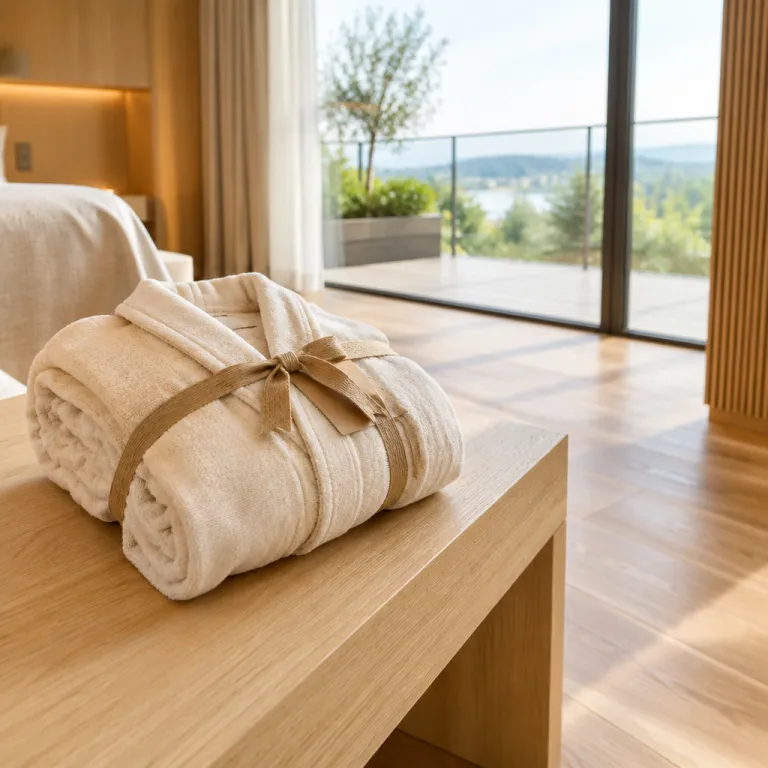
What responsible luxury really means in Germany
Responsible luxury in Germany starts long before a guest reaches the hotel. For sustainable luxury hotels Germany to be credible, the property must treat energy, water, staff welfare and long term building resilience as core strategy rather than marketing. In a country like Germany, where rail networks, regional food systems and strict building codes already shape daily life, the best luxury hotels simply extend these standards into hospitality.
Look closely at leading sustainable hotels in Bavaria, Baden Württemberg or Schleswig Holstein and you see the pattern. The architecture often reuses existing structures, with natural materials such as timber, stone and clay that age well and reduce embodied carbon over decades of operation. True eco luxury in hotels Germany is less about a dramatic island fantasy and more about a quiet, precise alignment between design, engineering and the surrounding nature.
For guests booking a wellness hotel or urban lodge, the test is consistency. A property that calls itself eco friendly must show how it sources organic produce, manages waste, supports local staff and integrates sustainable travel options like rail access or e bike rentals. When a hotel in Europe Germany claims to be a leader among sustainable luxury hotels Germany, it should be able to share data on energy use, water savings and long term maintenance, not just point to a few friendly hotels style gestures.
From token gestures to deep sustainability
Many hotels in Germany now talk about being sustainable, but the depth varies wildly. Tokenism looks like a single organic dish on the menu, a vague eco label on the website or a request to reuse towels while the property still flies in strawberries out of season. In contrast, the most serious sustainable luxury hotels Germany treat every operational decision, from laundry systems to staff training, as part of a long game.
In Bavaria, for example, a mountain wellness hotel that truly embraces sustainable travel will prioritise rail connections, shuttle transfers and hiking routes over short haul flights and constant car use. Its spa may use local herbs, regional spring water and natural materials rather than imported marble, while the kitchen works with organic farmers within a 100 kilometre radius. These choices turn a simple vacation into a low impact immersion in local culture, especially for guests who value both wellness and authenticity.
For families choosing friendly hotels in Baden Württemberg or along the coasts of Schleswig Holstein, the same logic applies. A property listed among luxury hotels on a premium booking platform should be transparent about its eco friendly measures and how they shape the guest experience, from child friendly hiking programs to beach clean ups. When we highlight Germany’s family ready luxury hotels, we look for places where sustainability is woven into play, learning and comfort, not bolted on as an afterthought.
The German advantage: rail, regional food and heritage reuse
Germany offers a structural advantage for sustainable travel that many destinations envy. High speed and regional rail lines connect major cities with spa towns, alpine valleys and North Sea islands, making it easy for guests to reach sustainable luxury hotels Germany without relying on short flights. When a hotel aligns its booking journey with these networks, it turns the arrival itself into part of the low carbon story.
Once on site, the most thoughtful hotels Germany lean into the country’s Bio and regional food culture. Menus at a wellness hotel in Bavaria or a coastal lodge in Schleswig Holstein often feature organic dairy, seasonal vegetables and freshwater fish, all sourced from local producers who share the same sustainable values. This approach reduces transport emissions, supports rural economies and gives guests a clearer sense of place than any imported delicacy ever could.
Heritage reuse is another quiet strength of luxury hotels in Europe Germany. Converting former sanatoriums, industrial buildings or grand villas into eco friendly retreats preserves embodied carbon while offering generous volumes, thick walls and characterful details. Many of the most interesting sustainable hotels now pair this architectural restraint with a new wellness language focused on regeneration rather than excess, a shift explored in depth in our guide to German medical spas and regenerative wellness.
Certifications, quiet luxury and how to read the fine print
Labels can help guests navigate sustainable luxury hotels Germany, but only if you know what they mean. In Germany, credible eco certifications usually require third party audits, transparent criteria and regular renewal, while weaker schemes rely on self reporting and one off fees. When a hotel claims to be among the leading sustainable hotels, ask which standard it follows and how that standard treats energy, water, waste and social impact.
Quiet luxury often aligns naturally with eco friendly practice, especially in mature markets like Germany. A restrained design language that favours natural materials, durable furniture and timeless colours tends to age better than trend driven interiors that demand frequent refurbishment. In a well run lodge or city hotel, this philosophy extends to services too, with fewer but better amenities, high quality linens that last longer and a wellness program built around real nature access rather than endless gadgetry.
For guests comparing luxury hotels in Bavaria, Baden Württemberg or Schleswig Holstein, the most telling details are often small. Does the property explain its sourcing, offer rail friendly booking options and provide clear information on its environmental performance. Our neighbourhood mapped guide to where to stay in Munich shows how location, transport and building history can quietly reinforce sustainability, even in the heart of a busy city.
How to be a responsible guest without performative sacrifice
Responsible travel in Germany does not require hair shirt austerity or joyless restraint. The most rewarding stays at sustainable luxury hotels Germany come when guests align their choices with the property’s strengths, from taking the train to a lakeside wellness hotel to planning hiking days that start directly from the lobby. You still enjoy comfort and attentive service, but you let the landscape and local culture set the rhythm.
Start with the journey and the booking process. Choose hotels Germany that are reachable by rail, tram or ferry, especially in regions like Bavaria, Baden Württemberg and Schleswig Holstein where networks are dense and reliable. When you see a property highlight sustainable travel options, such as luggage transfers for hikers or e bike rentals for exploring nature, treat that as a sign that the eco story runs deeper than a few recycled paper menus.
Once checked in, lean into what the place does best. On the North Sea coast, that might mean long walks on the beach instead of multiple spa treatments, while in the Alps it could be guided hiking rather than constant driving between sights. Ask how the hotel supports local producers, choose organic dishes, respect quiet hours and treat staff as partners in your vacation, not invisible service providers, because sustainable luxury depends as much on human relationships as on technology.
FAQ
How can I tell if a luxury hotel in Germany is genuinely sustainable
Look for clear information on energy use, water management, waste reduction and staff policies, not just a generic green logo. Serious sustainable luxury hotels Germany usually publish details about certifications, local sourcing and transport options, and staff can explain these measures confidently. If a property cannot answer basic questions about its eco practices, its sustainability claims are likely superficial.
Is travelling by train within Germany really better for the environment
Rail travel in Germany generally produces significantly lower emissions per passenger kilometre than domestic flights or solo car journeys. The country’s dense network makes it practical to reach many luxury hotels, wellness resorts and lodges by train plus a short transfer. Choosing rail also supports sustainable travel infrastructure that benefits both residents and visitors.
Do sustainable luxury hotels in Germany compromise on comfort
Well run sustainable hotels in Germany usually enhance comfort rather than reduce it. Natural materials, good insulation and thoughtful design often create quieter rooms, better air quality and more stable temperatures. The main difference is that indulgence is channelled into quality and longevity instead of disposable extras.
Are eco friendly wellness hotels more expensive than conventional properties
Prices vary widely, but sustainable luxury hotels Germany are not automatically more expensive than comparable five star properties. Some save costs through efficient energy systems and long lasting materials, then reinvest those savings into service and food quality. As a guest, you often pay for location, design and staffing levels rather than the sustainability measures themselves.
What practical steps can I take as a guest to support hotel sustainability
Choose rail or shared transfers where possible, and select hotels Germany that explain their eco policies clearly. On site, follow local recycling rules, avoid unnecessary linen changes, and prioritise organic, regional food and low impact activities like hiking or cycling. Asking respectful questions about sustainability also signals to management that these efforts matter to guests.