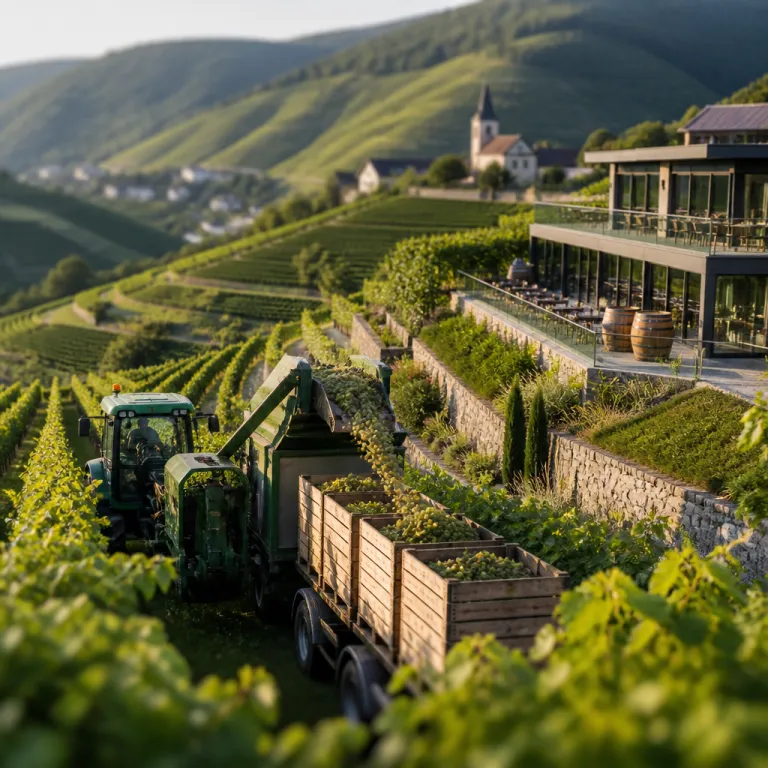
German wine harvest vineyard hotels in autumn light
German wine harvest vineyard hotels autumn stays are about timing. When you arrive as the grape harvest begins, the entire vineyard becomes a stage and the hotel vineyards around it feel alive in a way summer never quite manages. This is the best time for couples who want wine travel with texture, not just pretty views.
Across Germany the harvest season usually runs from early september october into late autumn, with Riesling picked first on cooler slopes and later in warmer regions. That means the best months for a stay in vineyard hotels differ slightly between the Rheingau, Mosel and Pfalz wine regions, so your time visit should follow the grapes rather than the calendar. Think of wine tourism here as a moving festival, with each wine region offering its own rhythm, grape varieties and cellar rituals.
During harvest the air around many vineyards smells of crushed grape variety skins and fermenting must, especially near the cellar doors. Couples wake to tractors in the rows, watch pickers move through the vines and then taste the first cloudy autumn wine, known locally as Federweisser, in the hotels’ gardens. This is wine country at work, and the experiences feel more intimate than any high season wine tasting flight in summer.
German wine harvest vineyard hotels autumn stays also bring a different kind of light. Days are shorter, the river valleys hold morning mist and the weather usually settles into a gentle pattern of cool nights and mild afternoons that flatters both food and wines. For many regulars this shoulder season is the best time because the wine route roads are quieter, yet the wine festivals in nearby towns still fill weekends with brass bands and lantern parades.
From a booking perspective, treat harvest like a soft version of ski season in Germany’s wine regions. The most characterful hotel vineyards near famous vineyards and along any major wine route will often be blocked by repeat guests who return every harvest season, so flexible dates help. Aim for midweek stays in september october and you will usually find better rooms, more attentive service and space to talk with winemakers after their shift in the cellar.
Rheingau, Mosel or Pfalz: choosing your harvest base
German wine harvest vineyard hotels autumn choices start with geography. The Rheingau stretches along a broad river bend west of Frankfurt, the Mosel twists through slate gorges, and the Pfalz runs almost parallel to France with a softer, warmer weather pattern. Each wine region offers a different balance of wines, food and harvest experiences, so couples should choose according to mood rather than fame.
The Rheingau is classic Riesling wine country, with south facing vineyards dropping steeply to the Rhine river and a long history of monastic cellar culture. Here the best wine estates focus on precise grape varieties and structured wines, and during harvest season you can often watch grapes arrive at the presses while staying in nearby vineyard hotels. This is also where elegant hotels pair regional menus with vertical wine tasting flights, letting you compare autumn wine from current and older vintages in one sitting.
Further west, the Mosel’s vineyards cling to slopes so steep that grape harvest work still relies heavily on hand picking. Couples who book hotel vineyards here in september october often spend mornings walking terraced paths above the river, then return for late afternoon wine tourism experiences in candlelit cellar tunnels. The best time for a Mosel stay is usually slightly earlier than in the Pfalz, because cooler weather brings forward the harvest season for delicate grape varieties.
The Pfalz, by contrast, is Germany’s warmest major wine region and feels almost Mediterranean in autumn. Here the German wine harvest vineyard hotels autumn scene stretches longer into october, with wine festivals and food markets lining the Deutsche Weinstraße, the country’s original wine route. Many hotels in this wine region lean into regional cuisine, pairing robust wines with forest mushrooms and game, and the experiences feel relaxed rather than formal.
Whichever region you choose, align your travel with local events rather than just national holidays. In the Rheingau, small wine festivals often cluster around weekends, while in the Pfalz village fairs can run deep into autumn, extending the life of the grape harvest season. If you are already planning a city break for events like Munich’s beer celebrations, pairing them with a quieter harvest stay in wine country can balance the trip, and guides to luxury hotels during Oktoberfest without the crush help you structure that contrast.
Inside the working estate: what harvest season actually feels like
German wine harvest vineyard hotels autumn stays are not about spa silence. You will hear tractors before breakfast, smell fermenting must near the cellar and sometimes share the lift with a winemaker still in work boots. For many couples this proximity to the grape harvest is the real luxury, because it turns passive wine travel into something more tactile and memorable.
On a typical harvest day in Germany’s vineyards, pickers start early to catch cool weather, bringing crates of grape varieties to the presses by late morning. Guests at hotel vineyards often watch this from terrace tables, then follow the route of the grapes into the cellar for guided wine tasting sessions that include both finished wines and cloudy autumn wine straight from the tank. These experiences are rarely advertised as formal wine tourism products, but rather as informal moments when the team has a spare half hour between loads.
Food is another reason to time visit during harvest season, because many hotels in wine regions run special menus. Chefs lean into regional produce like pumpkin, wild herbs and river fish, pairing them with young wines that show the character of each grape variety more clearly in cooler autumn weather. In some properties the best wine pairings are poured by the winemaker personally, who might appear tableside after finishing late work in the cellar.
Outside the dining room, villages along every major wine route host small wine festivals that feel more local than summer events. Couples can walk from their vineyard hotels to tents where regional food stands serve onion tart with glasses of new wines, then return along quiet streets under early night skies. If you enjoy road trips, combining these harvest experiences with a scenic drive along Germany’s Romantic Road, using a guide to luxury hotels on the Romantic Road, creates a layered itinerary that moves from medieval towns to working vineyards.
One practical note for couples used to wine travel in italy or France. German estates tend to be more reserved, and during peak grape harvest they prioritise getting fruit safely into the cellar over elaborate guest programmes, which is exactly why the atmosphere feels authentic. Respect that rhythm, book tastings in advance and you will still access some of the best months for intimate conversations about wines, grape varieties and the realities of running a vineyard in changing weather.
How to book German vineyard hotels around the harvest window
Planning German wine harvest vineyard hotels autumn stays starts earlier than many travellers expect. Regular guests often reserve their favourite hotel vineyards a full season ahead, especially in headline wine regions like the Rheingau and Mosel. If you are flexible on exact dates within september october, you can still secure excellent rooms and align your travel with the most active phase of the harvest season.
Because each wine region in Germany ripens at a slightly different pace, the best time for your visit depends on both altitude and grape variety. Cooler river valleys with steep vineyards usually start the grape harvest earlier, while warmer regions like the Pfalz can run later into october with certain grape varieties. When in doubt, email the estate directly and ask when they expect the busiest cellar weeks, then frame your time visit around those dates rather than public festivals alone.
When comparing hotels, look beyond generic spa facilities and focus on how closely the property is integrated with surrounding vineyards. Some vineyard hotels sit directly among the vines with paths leading from the lobby into the rows, while others are in nearby towns but maintain deep relationships with local estates for private wine tasting and cellar tours. The most rewarding experiences usually come from places where the owners are part of the regional wine community, not just operating a design led property in wine country.
Couples who enjoy layered itineraries can combine German wine travel with other northern European journeys, using resources like this essential travel companion guide to extend their route beyond the usual capitals. Within Germany itself, think in terms of clusters rather than single hotels, spending two or three nights in one wine region before driving along a wine route to the next. This approach lets you compare wines, food cultures and weather patterns across regions without rushing the grape harvest experience in any single place.
Finally, remember that German wine harvest vineyard hotels autumn trips are about embracing imperfection. Rain can shift picking days, wine festivals may move under tents and the cellar might be too busy for long tours, yet these variables are part of what makes wine tourism here feel real. If you value authenticity over choreography, this is the best wine season to see Germany’s vineyards, hotels and river valleys working together in their most vivid form.
FAQ
When is the best time to visit German vineyard hotels for the harvest ?
The most reliable window for German wine harvest vineyard hotels autumn stays runs from early september october into late autumn, depending on the wine region. Cooler areas like parts of the Mosel usually start the grape harvest earlier, while warmer regions such as the Pfalz can continue picking certain grape varieties well into october. For most couples the best months are mid september to mid october, when cellar work, wine festivals and weather all align.
Which German wine regions are most rewarding during harvest season ?
For a first harvest focused trip, the Rheingau, Mosel and Pfalz are the most rewarding wine regions in Germany. The Rheingau offers classic Riesling vineyards along the river with elegant hotels and structured wines, while the Mosel delivers dramatic slopes and intimate cellar experiences. The Pfalz, as a warmer wine country, combines long autumn wine evenings, regional food and a dense calendar of village wine festivals along its historic wine route.
How far in advance should I book vineyard hotels for harvest ?
German wine harvest vineyard hotels autumn stays in sought after regions often fill several months ahead, especially for weekends. If you want specific hotel vineyards or suites overlooking vineyards, aim to reserve by late spring for a september october visit. Midweek stays usually remain easier to secure, and being flexible on exact dates helps you follow the grape harvest rather than forcing it.
What should I expect from weather and packing during autumn in German wine country ?
Autumn weather in Germany’s wine regions is generally mild, with cool mornings, comfortable afternoons and occasional rain showers. Pack layers, a light waterproof jacket and shoes suitable for walking through vineyards, as paths can be damp during the grape harvest. This mix keeps you comfortable from river walks to evening wine tasting sessions in cool cellar rooms.
Are harvest season stays suitable for travellers new to wine tourism ?
Harvest season is an excellent entry point for travellers new to wine tourism, because the focus is on simple, sensory experiences rather than technical tastings. You can watch grapes arrive, taste young autumn wine, join relaxed wine festivals and learn about grape varieties in context without needing prior knowledge. Many hotels in Germany’s wine regions offer introductory wine tasting flights and regional food pairings that make the culture accessible without dumbing it down.