Discover the best hotels in Hansestadt Hamburg, from Altstadt and HafenCity to St. Pauli. Learn which areas suit you, what to expect and how to choose wisely.
Staying in Hansestadt Hamburg: who it really suits
Step out of Hamburg Hauptbahnhof and the city wastes no time announcing itself. Red-brick warehouses, the Elbe’s brackish air, a skyline punctuated by cranes and church spires – Hansestadt Hamburg is not a soft-focus postcard, it is a working port with polish. For travellers choosing a luxury or premium hotel in this city, that tension between maritime grit and understated comfort is exactly the point.
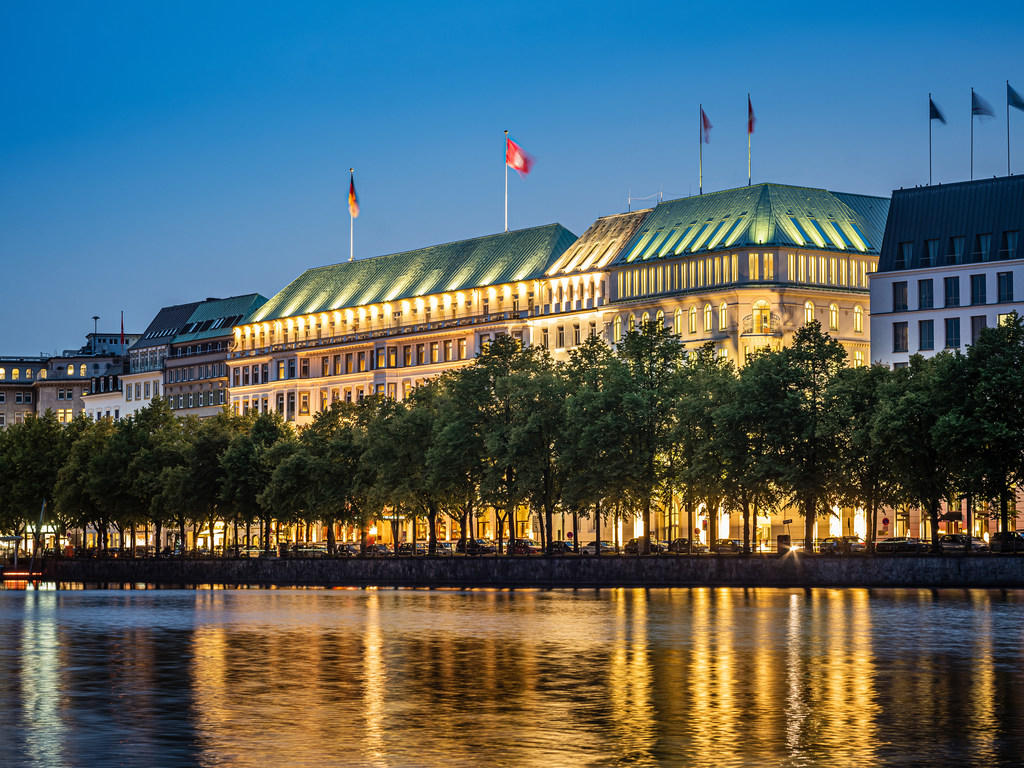
Hansestadt Hamburg rewards guests who enjoy layered cities. The historic port Hamburg area, the emerging HafenCity district and the nightlife of St. Pauli sit within a short taxi ride of each other, yet each demands a different kind of stay. A Hamburg hotel near the city center suits travellers who want to walk to the Binnenalster, Neuer Wall and the Kunsthalle in under 10 minutes. A property closer to the Elbe speaks more to those who prefer ship horns to church bells at night.
For German travellers used to efficient service and clear structure, Hamburg hotels feel reassuringly familiar, but with a slightly more international edge. English speaking staff are common in higher-end properties, which helps if you are travelling with colleagues from the United States or other countries. If you are looking for hotels in Hansestadt Hamburg with consistently good reviews, focus on established addresses in the central districts rather than chasing the newest opening in a fringe neighbourhood.
Choosing your district: Altstadt, HafenCity or St. Pauli?
On Neuer Wall, the city’s polished shopping artery, you are a short stroll from the Rathaus and the Alsterarkaden arcades. Staying here places you in the geographic and symbolic heart of Hamburg city, with the main sights unfolding in concentric circles around you. It is the most convenient base for a first visit, especially if you want to explore both the traditional Altstadt and the more contemporary Neustadt on foot.
HafenCity, built around the former Speicherstadt warehouses, offers a different rhythm. Hotels in HafenCity Hamburg tend to feel more architectural, with glass, steel and views across the Elbphilharmonie and the canals. Guests who enjoy design, waterfront walks and a quieter night will appreciate this area, particularly around Überseeallee and Osakaallee. From here, the port Hamburg atmosphere is present but softened, and you can walk to the Elbe in minutes.
St. Pauli is another story. Around Reeperbahn and the streets leading down to the Landungsbrücken, Hamburg Pauli hotels cater to night owls, concert-goers and those who like their city stays with a little edge. The trade-off is obvious ; you gain proximity to live music venues and late-night bars, but you lose some of the calm you might expect from a classic Hamburg hotel near the Alster. For many repeat visitors, that is precisely the attraction.
What to expect from premium Hamburg hotels
In Hansestadt Hamburg, luxury is rarely loud. Even at the top end, hotels tend to favour clean lines, muted colours and a maritime or Hanseatic restraint rather than ostentatious glamour. Expect well-insulated rooms, solid materials – oak, stone, wool – and an emphasis on sleep quality. A good Hamburg hotel will feel like a quiet cabin above a busy harbour, not a stage set.
Breakfast is taken seriously. Many premium hotels in Hamburg Germany offer generous morning spreads with regional products ; think fresh Brötchen, smoked fish, local cheeses and seasonal fruit. Whether breakfast is included or not varies, so it is worth checking what is actually offered for the night you plan to stay. For business travellers, an early, efficient breakfast service can be as important as any spa facility.
Service style in Hamburg hotels is professional, often a touch reserved, but generally attentive once you engage. In higher-end properties, English speaking staff are standard, which makes check-in, concierge requests and restaurant recommendations straightforward for international guests. When you read good reviews or even excellent reviews about a hotel Hamburg property, they often highlight this balance of discretion and competence rather than theatrical hospitality.
Location trade-offs: airport access, port views and green escapes
Landing at Hamburg Airport and reaching the city center is pleasantly simple. The S-Bahn connects the terminals with Hamburg city in around 25 minutes, which means you do not need an “airport hotel” in the classic sense unless you have a very early departure. Many travellers prefer to stay near the Hauptbahnhof or Gänsemarkt and still make their morning flight without stress.
For those drawn to the water, hotels closer to the Elbe and the port Hamburg area offer a particular kind of theatre. Watching container ships glide past at dusk or seeing the lights of the Landungsbrücken from your room creates a strong sense of place. The compromise is distance ; you will walk or ride a little further for shopping on Mönckebergstraße or for an evening in the quieter residential streets around Eppendorf.
Green space is Hamburg’s quiet luxury. Staying within walking distance of Planten un Blomen, the large park stretching from Dammtor down towards St. Pauli, changes the feel of a city stay. After a day of meetings or sightseeing, being able to cross Marseiller Straße and step into lawns, water features and the Japanese garden is a genuine advantage. When you compare Hamburg hotels, consider whether you prefer this park-side calm, a direct harbour view, or the dense urbanity of the Altstadt.
Reading between the lines of reviews
Online reviews for hotels Hamburg wide can be overwhelming, but patterns emerge quickly. Properties with consistently good reviews in Hansestadt Hamburg tend to score well on cleanliness, soundproofing and breakfast quality. When you see wonderful reviews that mention “quiet rooms facing the courtyard” or “short walk to the U-Bahn at Jungfernstieg”, you are usually looking at a solid, well-run address.
Be wary of vague praise. A Hamburg hotel described only as “nice” or “good” without concrete details about location, room layout or service is harder to evaluate. Look instead for comments that mention specific streets, such as a hotel near Ballindamm with views over the Binnenalster, or proximity to HafenCity landmarks like the Elbphilharmonie. These details help you understand how the property fits into the city’s geography.
Travellers from Germany often focus on practical aspects – room size, noise levels, public transport access – while guests from the United States might emphasise staff friendliness and English speaking ability. Reading across these perspectives gives a more complete picture. When a property in Hansestadt Hamburg earns excellent reviews from both groups, it usually indicates a well-balanced experience rather than a niche appeal.
Who each Hamburg area suits best
Business travellers with meetings spread across the city usually do best in or near the city center. Staying between the Hauptbahnhof and Gänsemarkt keeps you close to S-Bahn and U-Bahn lines, making it easy to move between HafenCity, St. Pauli and the trade fair grounds. For a one or two night stay focused on work, this central position is more valuable than a dramatic harbour view.
Leisure guests planning to Hamburg book a long weekend should think in terms of mood. If you imagine slow walks along the Alster, café stops and shopping, choose a hotel Hamburg address near the lakes and the inner city. If your evenings revolve around theatre, live music and late dinners, a base closer to Hamburg Pauli and the Reeperbahn will feel more natural, even if it is a little louder at night.
Families and travellers who value green space often gravitate towards areas bordering Planten un Blomen or the quieter residential quarters to the north. Here, hotels in Hansestadt Hamburg may not have the most dramatic skyline views, but they offer calmer streets and easy tram or U-Bahn access back into the center. In the end, the best hotels in Hansestadt Hamburg are not defined only by star ratings, but by how precisely their location and atmosphere match the way you want to experience the city.
Best Hotels in Hansestadt Hamburg
Hansestadt Hamburg is an excellent choice if you value a city with character, strong transport connections and a clear sense of place. Choose the district first – Altstadt and city center for convenience, HafenCity for contemporary waterfront calm, St. Pauli for nightlife – then look for a hotel whose reviews highlight quiet rooms, quality breakfast and attentive, English speaking staff. When these elements align, Hamburg delivers a stay that feels both efficient and deeply atmospheric.
Is Hansestadt Hamburg a good destination for a weekend city break?
Hansestadt Hamburg works very well for a two or three night city break. The compact city center, efficient public transport and mix of waterfront, culture and nightlife mean you can experience several distinct neighbourhoods in a short time. With a centrally located hotel, you can walk between the Rathaus, HafenCity, Planten un Blomen and St. Pauli without spending hours in transit.
Which area of Hamburg is best for first-time visitors?
First-time visitors are usually best served by staying in or near the city center between the Hauptbahnhof, Jungfernstieg and Gänsemarkt. From here, you can reach the Altstadt, the Alster lakes, HafenCity and the port area quickly on foot or by U-Bahn. This location offers the clearest overview of Hamburg’s different faces without committing to a single mood like nightlife-heavy St. Pauli.
How far is Hamburg Airport from the main hotel areas?
Hamburg Airport is roughly 10 km north of the city center. The S-Bahn line S1 connects the airport directly with central stations such as Hauptbahnhof and Jungfernstieg in about 25 minutes. This makes it easy to stay in a central Hamburg hotel and still reach your flight without needing a dedicated airport property.
Are Hamburg hotels suitable for English speaking guests?
Most mid-range and premium hotels in Hansestadt Hamburg are very comfortable for English speaking guests. Front desk and concierge staff typically speak good English, and information materials are often available in both German and English. This is particularly true in central districts and areas popular with international travellers, such as HafenCity and St. Pauli.
What should I look for when comparing Hamburg hotel reviews?
When comparing reviews for Hamburg hotels, focus on specific details rather than general praise. Look for repeated mentions of location convenience, noise levels, breakfast quality and staff helpfulness. Comments that reference concrete landmarks or streets, such as proximity to Planten un Blomen or the Landungsbrücken, help you understand how the hotel fits into the city and whether it matches your priorities.