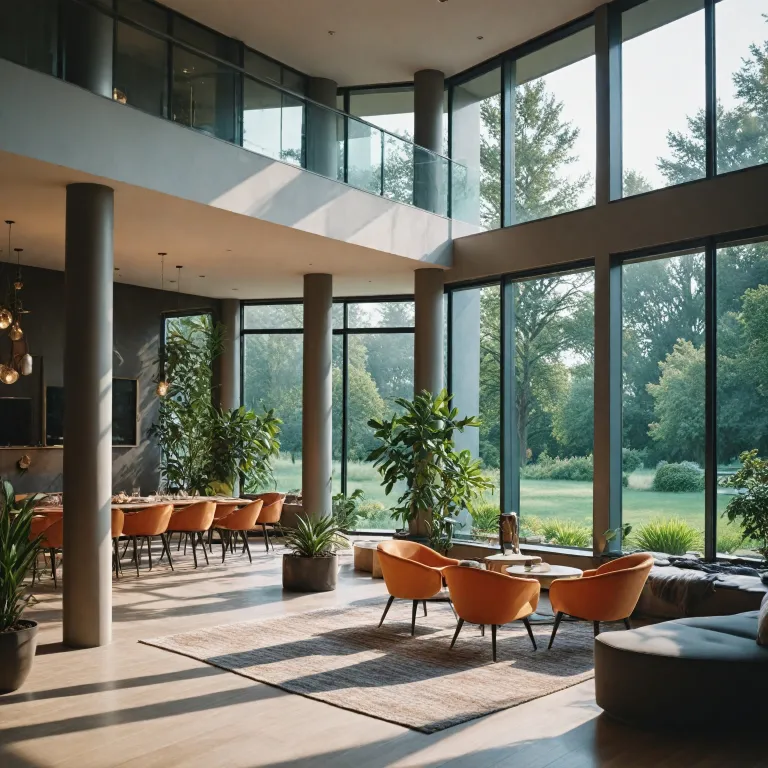
Understanding the landscape of luxury hospitality in Germany
Germany’s luxury hospitality sector is defined by its blend of tradition, innovation, and exceptional service. The country’s hotels, from the heart of Berlin to the tranquil Black Forest, set benchmarks for excellence in both leisure and business travel. With a market size valued at over 7 billion USD, luxury hotels in Germany are increasingly sought after by discerning travelers seeking refined experiences, whether in a grand schloss, a serene spa retreat, or a vibrant city center.
Major players such as Kempinski, Althoff Hotels GmbH, and Mandarin Oriental shape the landscape, each offering unique interpretations of luxury. The Kempinski Hotel group, for example, manages iconic properties like the Adlon Kempinski in Berlin and the Hotel Vier Jahreszeiten in Munich, both renowned for their elegant rooms and suites, award-winning restaurants, and world-class spa facilities. These hotels in Germany consistently rank among the best, reflecting a commitment to quality that defines the sector.
Luxury hospitality in Germany is not limited to urban centers. Destinations such as Schloss Elmau in Garmisch Partenkirchen and Hotel Bareiss in the Black Forest offer immersive hideaway experiences, combining natural beauty with sophisticated amenities. The integration of Michelin stars in hotel restaurants, such as those found at Seehotel Überfahrt and Brenners Park Hotel, further elevates the guest experience, making Germany a leading destination for culinary travel and wellness retreats.
As the market continues to expand, travelers are increasingly turning to specialized booking websites to compare luxury hotels, discover exclusive offers, and secure the best rooms and suites. These platforms provide curated selections of hotels Germany-wide, ensuring that guests can easily find the ideal retreat, whether they seek a spa escape in Baden-Baden or a cultural adventure in Munich. The growth of luxury hospitality Germany is a testament to the country’s enduring appeal and its ability to meet the evolving expectations of global travelers.
Key players and market trends in Germany’s luxury hotel sector
The luxury hotel market in Germany is characterized by a dynamic mix of heritage brands and innovative newcomers. Althoff Hotels GmbH, with its Althoff Collection, commands an 8% market share in experiential luxury, while Kempinski AG holds 5%, underscoring their influence in shaping the industry. These operators are known for their commitment to excellence, offering guests unparalleled service, distinctive design, and memorable experiences across their hotels in Germany.
Mandarin Oriental, Munich, stands out as a flagship property, seamlessly blending Asian-inspired hospitality with German elegance. The hotel’s spa, fine dining restaurant, and luxurious rooms and suites attract travelers seeking both comfort and exclusivity. Meanwhile, the Ritz Carlton and Park Hotel brands continue to expand their presence in major cities, responding to growing demand for premium accommodations and personalized services.
One of the most notable trends is the integration of sustainability into luxury hospitality Germany. Hotels are adopting eco-friendly practices, from energy-efficient operations to locally sourced cuisine in their restaurants. This commitment to responsible travel enhances the appeal of luxury hotels, particularly among guests who value both indulgence and environmental stewardship. For those interested in exploring top-rated properties, the best luxury hotels in Germany provide a curated overview of standout destinations.
Personalization is another key driver, with hotels offering bespoke experiences tailored to individual preferences. Whether arranging a private spa retreat at Schloss Elmau or a gourmet tasting menu at a Michelin-starred hotel restaurant, these touches distinguish Germany’s luxury hotels from their international counterparts. The sector’s ongoing evolution ensures that guests can always expect the highest standards of hospitality, no matter where they choose to stay.
Booking luxury hotels in Germany: digital platforms and guest experience
Booking a luxury hotel in Germany has become a seamless process, thanks to the rise of specialized websites dedicated to premium hospitality. These platforms aggregate the best hotels Germany has to offer, allowing travelers to compare amenities, view detailed images of rooms and suites, and read verified guest reviews. The convenience of online booking is complemented by exclusive offers, such as complimentary spa treatments or dining credits at renowned hotel restaurants.
Websites focused on luxury hospitality Germany prioritize user experience, ensuring that every step—from browsing to confirmation—is intuitive and secure. Features such as interactive maps, virtual tours, and personalized recommendations help guests find the perfect hotel, whether they are planning a business trip to Berlin or a wellness retreat in Baden-Baden. The ability to filter by location, price, and amenities makes it easy to identify hotels that meet specific needs, such as proximity to the Black Forest or access to a Michelin-starred restaurant.
For travelers seeking inspiration, curated lists highlight the best hotels in Germany, including iconic properties like Hotel Vier Jahreszeiten, Kempinski Hotel, and Mandarin Oriental Munich. These selections are based on expert evaluations, guest feedback, and industry accolades, ensuring that only the most exceptional hotels are featured. To further enhance the booking experience, many websites offer loyalty programs, allowing guests to earn rewards for repeat stays at luxury hotels across Germany.
As digital platforms continue to evolve, the integration of advanced analytics and artificial intelligence is expected to further personalize the booking process. Guests can anticipate tailored recommendations based on their travel history, preferences, and even dietary requirements. For a comprehensive guide to Germany’s luxury hospitality scene, visit the luxury hotel booking website Germany for expert insights and exclusive deals.
Iconic destinations: Berlin, Munich, and beyond
Germany’s major cities are home to some of the world’s most celebrated luxury hotels, each offering a unique perspective on hospitality. In Berlin, the Adlon Kempinski stands as a symbol of grandeur, with its opulent rooms and suites, renowned spa, and exceptional hotel restaurant. The Waldorf Astoria Berlin and Ritz Carlton are also prominent, attracting guests with their prime locations and impeccable service.
Munich is equally distinguished, with the Mandarin Oriental Munich and Hotel Vier Jahreszeiten setting the standard for luxury accommodations. These hotels are known for their elegant design, attentive staff, and award-winning dining, including restaurants with Michelin stars. The city’s vibrant cultural scene, combined with its proximity to the Bavarian Alps, makes it a favorite destination for both leisure and business travelers.
Beyond the urban centers, Germany offers a wealth of luxury retreats in picturesque settings. Schloss Elmau in Garmisch Partenkirchen is renowned for its holistic spa, gourmet cuisine, and serene mountain views. Hotel Bareiss in the Black Forest and Seehotel Überfahrt on Lake Tegernsee are celebrated for their blend of tradition and innovation, offering guests a true hideaway experience. The integration of wellness, gastronomy, and personalized service ensures that these hotels remain at the forefront of luxury hospitality Germany.
Travelers seeking the best hotels in Germany can also explore destinations such as Baden-Baden, famous for its thermal spas and historic park hotels. Whether staying at Brenners Park Hotel or discovering the charm of a lakeside retreat, guests are assured of an unforgettable experience.
Wellness, gastronomy, and experiential luxury in German hotels
Wellness is a cornerstone of luxury hospitality Germany, with hotels offering state-of-the-art spa facilities, holistic treatments, and wellness retreats tailored to individual needs. Properties such as Schloss Elmau and Brenners Park Hotel are renowned for their comprehensive spa programs, which include everything from traditional massages to cutting-edge therapies. Guests can unwind in tranquil settings, surrounded by nature, while enjoying personalized service and luxurious amenities.
Gastronomy plays an equally important role, with hotel restaurants earning international acclaim for their culinary excellence. Michelin stars are a mark of distinction, and hotels such as Hotel Bareiss, Seehotel Überfahrt, and Mandarin Oriental Munich are celebrated for their innovative cuisine and exceptional wine lists. These dining experiences are complemented by elegant settings, attentive service, and a commitment to using the finest local ingredients.
Experiential luxury extends beyond the spa and restaurant, encompassing curated activities and bespoke services designed to create lasting memories. Guests can participate in guided hikes through the Black Forest, private art tours in Berlin, or exclusive wine tastings in the Rheingau region. The emphasis on personalization ensures that every stay is unique, reflecting the guest’s interests and preferences.
The integration of wellness, gastronomy, and experiential offerings distinguishes Germany’s luxury hotels from their global peers. By combining world-class facilities with authentic local experiences, these hotels set new standards for excellence in hospitality. The result is a vibrant and diverse sector that continues to attract travelers from around the world, eager to experience the best that Germany has to offer.
Challenges and opportunities in the luxury hotel booking landscape
Despite its growth, the luxury hotel booking sector in Germany faces unique challenges. One notable issue is the lack of a specific category tailored exclusively for German luxury and premium hotels on many international booking websites. This can make it difficult for travelers to identify the best hotels Germany has to offer, particularly those seeking niche experiences such as spa retreats, gourmet dining, or secluded hideaways.
To address this gap, leading operators and digital platforms are investing in enhanced categorization, detailed property descriptions, and advanced search filters. These improvements help guests discover hotels that align with their preferences, whether they are looking for a historic schloss, a contemporary city hotel, or a tranquil park hotel. The ability to compare amenities, read expert reviews, and access exclusive offers is essential for making informed booking decisions.
Another opportunity lies in the integration of technology to personalize the guest journey. Artificial intelligence and data analytics enable hotels to anticipate guest needs, recommend tailored experiences, and streamline the booking process. This focus on personalization is particularly important in luxury hospitality Germany, where guests expect a high level of attention and customization.
As the sector continues to evolve, collaboration between hotel operators, booking websites, and technology providers will be key to maintaining Germany’s position as a leader in luxury hospitality. By addressing current challenges and embracing innovation, the industry can ensure that travelers always have access to the best hotels, rooms and suites, and experiences available.
Expert insights and future outlook for luxury hospitality Germany
The future of luxury hospitality Germany is shaped by a combination of market growth, evolving guest expectations, and industry innovation. According to a recent market analysis, "The luxury hotel market in Germany is projected to grow at a CAGR of 7.36% from 2026 to 2033." This robust growth reflects increasing demand for premium travel experiences, driven by rising disposable incomes and a preference for personalized service.
Leading companies such as Althoff Hotels GmbH and Kempinski AG continue to set the standard for excellence, with their hotels in Germany consistently ranking among the best. As one expert notes, "Leading companies in the luxury hospitality market in Germany include Althoff Hotels GmbH and Kempinski AG." Their commitment to quality, innovation, and guest satisfaction ensures that Germany remains a top destination for luxury travel.
Notable properties such as the Waldorf Astoria Berlin, The Charles Hotel in Munich, Mandarin Oriental Munich, and Hotel Vier Jahreszeiten in Hamburg exemplify the diversity and sophistication of the sector. As another expert highlights, "Notable luxury hotels in Germany include the Waldorf Astoria Berlin, The Charles Hotel in Munich, Mandarin Oriental Munich, and Hotel Vier Jahreszeiten in Hamburg." These hotels offer a range of experiences, from urban elegance to countryside retreats, catering to the varied preferences of international travelers.
Looking ahead, the integration of sustainable practices, advanced technology, and experiential offerings will continue to drive the evolution of luxury hospitality Germany. By embracing these trends, the industry is well positioned to meet the needs of a new generation of travelers, ensuring that Germany remains at the forefront of global luxury hospitality.
Key statistics: luxury hospitality market in Germany
- Germany luxury hotel market size in 2024: 7.01 billion USD
- Projected market size in 2033: 13.23 billion USD
- Althoff Hotels GmbH market share in experiential luxury (2022): 8%
- Kempinski AG market share in experiential luxury (2022): 5%
Frequently asked questions about luxury hospitality Germany
What are some notable luxury hotels in Germany?
Notable luxury hotels in Germany include the Waldorf Astoria Berlin, The Charles Hotel in Munich, Mandarin Oriental Munich, and Hotel Vier Jahreszeiten in Hamburg.
What is the projected growth rate of the luxury hotel market in Germany?
The luxury hotel market in Germany is projected to grow at a CAGR of 7.36% from 2026 to 2033.
Which companies are leading the luxury hospitality market in Germany?
Leading companies in the luxury hospitality market in Germany include Althoff Hotels GmbH and Kempinski AG.
References: IMARC Group, Mordor Intelligence, Deep Market Insights.